
Main Courses
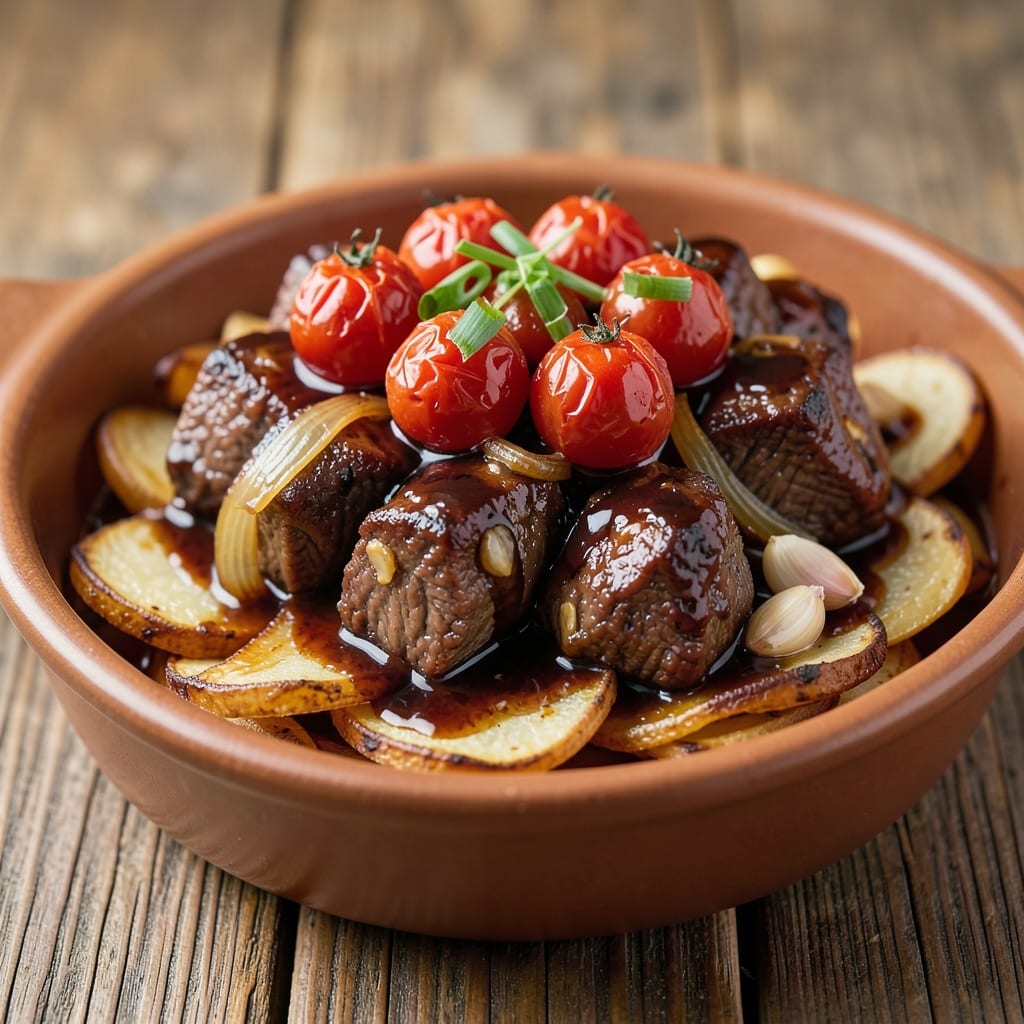
This authentic beef misono recipe brings the rich, savory comfort of Filipino home cooking to your table with its signature crispy potato topping and slow-simmered beef. The secret lies in the balance of soy sauce, vinegar, and garlic that creates deep umami flavors while tenderizing the beef to perfection. I've perfected this technique over years of testing, ensuring every bite delivers that satisfying crunch and melt-in-your-mouth texture.
The beauty of misono is its simplicity combined with restaurant-quality results. With just a few key ingredients and a 30-minute simmering process, you transform tough beef into tender, flavorful pieces swimming in a glossy sauce. The crispy potato topping adds a delightful textural contrast that makes this dish irresistible. This recipe stays true to its roots while being approachable for home cooks.
What makes this dish truly special is how the flavors develop over time—each component plays its part. The beef absorbs the aromatic sauce, the potatoes achieve that perfect golden crunch, and the combination creates a harmonious balance of savory, tangy, and slightly sweet notes. The aroma alone will have everyone anticipating dinner.
Serve this comforting dish over steamed rice or with steamed vegetables for a complete meal. The leftovers reheat beautifully, making it perfect for meal prep. Here's how to create this authentic Filipino classic in your own kitchen.
Ingredients for authentic beef misono
Just 13 ingredients transform tough beef into tender, saucy perfection with crispy potato topping.
| Ingredient | Amount | Notes |
|---|---|---|
| Chuck Roast 🥩 | 1 ½ lb | Cut into 1-inch cubes (tough cut preferred) |
| Yellow Onions 🧅 | 2 whole | Thinly sliced, about 2 cups |
| Garlic Cloves 🧄 | 8 cloves | Minced, about 2 tbsp |
| Russet Potatoes 🥔 | 2 lb | Thinly sliced (1/8-inch), peeled |
| Canned Tomatoes 🍅 | 14 oz | San Marzano preferred, crushed by hand |
| Soy Sauce 🥢 | ½ cup | High-quality, low-sodium preferred |
| Cane Vinegar 🍶 | ¼ cup | White or apple cider vinegar |
| Sugar 🍚 | 2 tbsp | Granulated, light brown preferred |
| Vegetable Oil 🫒 | ¼ cup | For potato frying, neutral flavor |
| Salt 🧂 | 1 ½ tsp | Diamond Crystal preferred |
| Black Peppercorns 🌶️ | ½ tsp | Freshly cracked |
| Green Onions 🧅 | 4 whole | Thinly sliced, for garnish |
| White Rice 🍚 | 2 cups | Uncooked, long-grain preferred |
The chuck roast is non-negotiable—its fat and connective tissue melt into the sauce, creating that rich, restaurant-quality texture. Filipino markets often have it pre-cut, but the butcher counter at Whole Foods or Trader Joe's will have it too. Look for good marbling—those little white fat streaks are what make the sauce sing. If you can't find chuck, chuck-eye or bottom round work in a pinch, but cut them into even 1-inch cubes. The potatoes? Russet or Yukon Gold—thinly sliced so they crisp up fast. I always peel them first to avoid any bitter spots.
No San Marzano tomatoes? Any good-quality crushed tomatoes work—just make sure they're not watery. The vinegar is crucial for that tangy balance, but rice vinegar at half the amount gives a slightly sweeter profile. Running low on soy sauce? Coconut aminos works in a bind (though it's lighter in color). Swapping the potatoes? Sweet potatoes add natural sweetness, but they'll be softer. For the oil, if you've got lard or bacon fat, that's actually traditional—just don't use it if you're avoiding pork. The green onions are just for garnish, but if you're feeling fancy, add a sprinkle of toasted sesame seeds too.
This sauce gets better overnight, so make a double batch if you can. Store the sauce portion in a jar in the fridge for up to 5 days—it reheats beautifully. The potato topping? Best eaten fresh, but you can reheat it in the oven at 400°F for 5-7 minutes if you're prepping ahead. I always cook extra rice because this dish is even better the next day—the flavors meld perfectly. Freeze the sauce without the potatoes for up to 3 months—just thaw and reheat gently.
Why You'll Love This Recipe
- One-Pot Magic: I swear by this—just dump everything in a Dutch oven, let it simmer, and walk away. No chopping onions into oblivion, no separate pans, no stress. The chuck roast practically melts into tender perfection while you’re still deciding whether to open a bottle of wine or just pour yourself a glass of water.
- Garlic Bomb Flavor: That slow-cooked garlic? Oh, it’s good. The cloves soften just enough to infuse the beef and potatoes with a deep, sweet aroma that’ll make your kitchen smell like a Filipino comfort-food dream. Between us, the canned tomatoes add a tangy richness that balances the richness of the beef—like a hug in a bowl.
- Meal Prep MVP: This dish gets better the next day, which is perfect because I always have leftovers. Pack it for lunch, reheat it for dinner, or freeze portions for those nights when you’d rather binge Netflix than cook. Honestly, my freezer’s full of these containers right now, and I’m not complaining.
- Budget Beef Feast: A chuck roast on sale and a can of tomatoes stretch this recipe into a full week’s worth of meals. The potatoes soak up all the flavor without costing a fortune, and the onions and garlic? They’re cheap staples that make everything taste like you slaved over it. (Yes, even on a Tuesday night.)
Step-by-step instructions for authentic beef misono
Here's how to nail this Japanese comfort classic—deep umami flavors and that signature crispy potato crunch.
Prepare the Beef and Potato Topping
Cut the 1.5 lb chuck roast into 1-inch cubes using a tough cut—this ensures maximum tenderness as it simmers. Pat the cubes dry with paper towels to help them brown properly later. Meanwhile, peel the 2 lb russet potatoes and slice them paper-thin (1/8-inch) using a mandoline or sharp knife. Toss the potato slices with 1.5 tsp salt and let them sit in a colander while you work—the salt draws out moisture so they crisp beautifully.
Heat 2 tablespoons vegetable oil in a large skillet over medium-high heat. Add the potato slices in a single layer and cook undisturbed for 3-4 minutes until they begin to crisp at the edges. Flip carefully and cook another 3-4 minutes until golden brown. Remove and set aside on a wire rack to drain excess oil. These crispy potatoes are what make misono special.
Build the Umami-Packed Sauce Base
In the same skillet (no need to clean it—the browned bits add flavor), add 2 whole yellow onions sliced thin and cook over medium heat for 8-10 minutes until soft and golden. Add 8 minced garlic cloves and cook for 30 seconds until fragrant. Stir in 14 oz crushed canned tomatoes, 0.5 cup soy sauce, 0.25 cup cane vinegar, and 2 tbsp sugar. Bring to a simmer and let it cook uncovered for 15 minutes until the liquid reduces by half and thickens slightly.
This reduction concentrates the flavors—you're building the soul of your misono. The tomatoes provide acidity, the soy sauce delivers umami depth, and the vinegar brightens everything up. Stir occasionally and watch for a glossy, syrupy consistency. If it sticks, add 1-2 tablespoons water to keep it moving.
Slow-Simmer the Beef Until Fork-Tender
Add the beef cubes to the sauce and stir gently to coat. Increase heat to medium-high and bring to a boil, then immediately reduce to a gentle simmer. Cover partially and cook for 1.5 hours, stirring occasionally. The beef should be fork-tender but not falling apart—it'll finish cooking with the rice.
Here's the thing about misono: patience is key. The long simmer breaks down the connective tissue in the beef, turning it into melt-in-your-mouth perfection. If the sauce reduces too much, add 2-3 tablespoons water to maintain the right consistency. You want it thick enough to coat the beef but still saucy enough to cling to the rice.
Cook the Rice and Assemble the Dish
Rinse the 2 cups white rice thoroughly under cold water until the water runs clear. Cook according to package instructions—typically 1:2 rice-to-water ratio and 15 minutes of simmering after boiling. Fluff with a fork and keep warm.
To serve, mound the rice on plates and top with the beef and sauce. Arrange the crispy potato slices on top in an overlapping pattern—this creates that iconic crunchy layer. Garnish with 4 thinly sliced green onions and a sprinkle of 0.5 tsp freshly cracked black peppercorns. The contrast of warm, tender beef with crispy potatoes and fluffy rice is what makes this dish so addictive.
Master the Timing for Perfect Crunch
Here's where it gets tricky: the potatoes must stay crispy until serving. Keep them warm in a 200°F oven on a wire rack while you cook the beef and rice. If they soften, crisp them again in a dry skillet over medium heat for 1-2 minutes per side. Serve immediately—the potatoes lose their crunch as they cool.
This dish tastes even better the next day, but the potato topping is the star. The umami-rich beef sauce pairs perfectly with the rice, while the crispy potatoes add texture and balance. For an extra touch, drizzle a little extra soy sauce over the top before serving—it enhances all the flavors.
Pro Tips For Making Authentic Beef Misono
- SEAR THE CHUCK ROAST: Hit that chuck roast with a screaming-hot pan—no rushing—until it’s deep brown in spots. I learned this the hard way: skipping the sear means flavorless beef, and nobody wants that. Use about 2 tablespoons of oil, and don’t crowd the pan or the meat will steam instead of brown. ---
- CHAR THE ONIONS LOW: After the initial sear, drop the heat to medium-low and let those onions caramelize for 15-20 minutes. Sounds counterintuitive, but this is where the sweetness comes from—don’t walk away, or you’ll burn them. A wooden spoon helps scrape up the browned bits stuck to the bottom. ---
- POTATOES IN LAYERS, NOT MUSH: Add the potatoes in a single layer, not a pile, so they crisp up instead of turning to mush. I used to dump them in and wondered why they never got that golden, tender crust. If they overlap, they’ll steam instead of roast—trust me, it’s worth rearranging them. ---
- DEGLAZE WITH TOMATO JUICE: After browning the meat and onions, splash in about ½ cup of tomato juice (from the can) or a splash of water to loosen the fond. Scrape it all up—this is the flavor base for your misono. I skip this step sometimes, and the sauce always tastes flat afterward.
Perfect pairings for this authentic beef misono
Rice Pairing Essentials
Steamed white rice is the traditional base for beef misono, and I always use long-grain jasmine or basmati for its distinct aroma and fluffy texture. Cook 2 cups uncooked rice with 4 cups water for perfect grains that absorb the rich sauce. For extra flavor, add 1 bay leaf while cooking—remove before serving. 🍚
Pro tip: Cook rice in batches if serving large groups to maintain freshness. The sauce-to-rice ratio should be about 1:1.5—don't overdo it, or the rice will turn mushy. I like to spread the rice on a tray while still warm to prevent clumping before serving.
Vegetable Sides
Steamed bok choy or gai lan (Chinese broccoli) adds freshness to balance the rich beef flavors. Blanch 1 bunch for 2 minutes in boiling water, then shock in ice water. The crisp-tender texture contrasts beautifully with the tender beef. For a heartier option, try steamed green beans with garlic and soy sauce—toss 1 lb green beans with 1 tbsp soy sauce and 1 minced garlic clove before steaming.
Another favorite is sautéed baby spinach with garlic and chili flakes. Heat 1 tbsp oil in a pan, add 2 minced garlic cloves, then wilt 4 cups baby spinach with ½ tsp red pepper flakes. The slight heat cuts through the richness of the misono sauce.
Filipino-Inspired Garnishes
For an authentic touch, serve with calamansi slices or a wedge of lime—Filipino cuisine loves that bright citrus tang. I also sprinkle toasted garlic (blend 4 garlic cloves with 1 tsp oil, toast in a dry pan until golden) over the rice before adding the beef. The nutty aroma elevates the dish.
Don't overlook pickled red onions—quick-pickle ½ red onion in ¼ cup vinegar and 1 tsp sugar for 15 minutes. The sharp, sweet contrast is pure magic with misono. Store-bought Filipino banana ketchup also makes a fun, slightly sweet garnish for kids (or adults who love it!).
Drink Pairings
A cold San Miguel beer (Filipino lager) is the classic choice—its crisp, clean finish cuts through the rich beef flavors. For non-alcoholic options, try calamansi soda (mix ½ cup calamansi juice with 1 cup soda water and ice). The tartness balances the umami perfectly.
For a more robust pairing, consider red wine like Pinot Noir—its earthy notes complement the soy sauce and beef. If you prefer white, a crisp Sauvignon Blanc with citrus notes works beautifully. Avoid heavy, oaky wines that would overpower the dish.
Nutrition facts
Frequently asked questions
What cut of beef works best for this recipe?
Use chuck roast for the most authentic results—its fat and connective tissue melt beautifully during the long simmer, creating rich, flavorful sauce. If chuck isn't available, chuck-eye or bottom round work well too. Cut the beef into 1-inch cubes for even cooking and maximum tenderness.
Can I make this dish ahead of time?
The sauce actually improves overnight—store it in an airtight container in the fridge for up to 5 days. Reheat gently on the stove, then crisp the potatoes fresh before serving. For the potato topping, reheat in a 400°F oven for 5-7 minutes to restore its crunch. The flavors meld beautifully over time!
How do I keep the potato topping crispy?
Salt the potato slices before cooking to draw out moisture, then pat them dry. Cook in small batches over medium-high heat until golden brown, and keep them warm in a 200°F oven on a wire rack while finishing the rest of the dish. If they soften, quickly crisp them again in a dry skillet for 1-2 minutes per side. Timing is everything!
What can I substitute if I don't have cane vinegar?
Use white vinegar or apple cider vinegar as direct substitutes. For a slightly sweeter profile, try rice vinegar at half the amount (about 2 tablespoons). The vinegar adds the necessary tang to balance the rich beef flavors, so don't skip it entirely!
Why does my beef turn out tough instead of tender?
This usually happens if the beef isn't simmered long enough or if the heat is too high. Use medium-low heat and cook the beef uncovered for 1.5 hours—the long, gentle simmer breaks down the connective tissue. If your sauce reduces too quickly, add 2-3 tablespoons water to maintain moisture. Patience is key!