
Soups & Stews
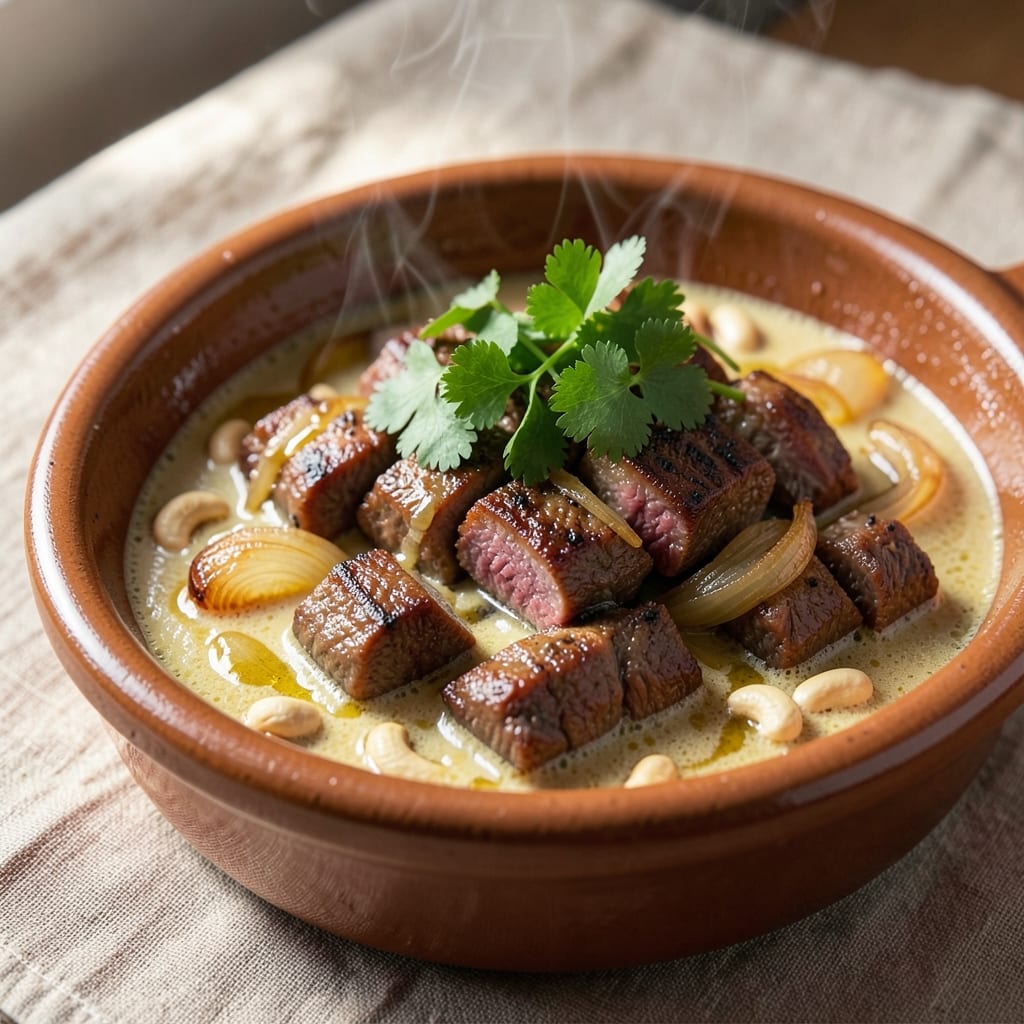
This authentic beef korma recipe brings the rich, velvety flavors of Indian cuisine straight to your kitchen, where tender beef simmers in a fragrant gravy of coconut, cashews, and aromatic spices. The secret lies in slow-cooking the beef until it's melt-in-your-mouth tender while building layers of flavor through careful spice blooming and yogurt-based gravy. I've perfected this technique after years of testing, ensuring every bite delivers that perfect balance of creamy richness and subtle heat.
The key to authenticity starts with marinating the beef in yogurt and spices for at least 4 hours (overnight is even better), which tenderizes the meat and infuses it with flavor. As it cooks, the coconut milk and cashew paste create a luxurious, velvety sauce that coats every piece of beef. What makes this recipe truly special is the attention to spice balance—warm cardamom and cinnamon complement the earthy cumin and coriander without overpowering the dish.
By the time you serve this dish, you'll have a restaurant-quality beef korma with perfectly tender beef swimming in a creamy, golden-brown sauce that's rich yet not overly heavy. The aroma alone will have everyone gathering at the table, and the first bite delivers that perfect harmony of textures and flavors that defines authentic Indian cuisine. This is the kind of dish that makes homemade cooking feel like a special occasion.
Serve with steamed basmati rice or warm garlic naan to soak up every last drop of that luxurious sauce. The recipe scales beautifully for gatherings, and leftovers reheat just as well the next day. Let's get cooking!
Ingredients for authentic beef korma
Sixteen ingredients for restaurant-quality beef korma—creamy, spiced, and full of depth.
| Ingredient | Amount | Notes |
|---|---|---|
| Beef Chunk (Chuck Roast) 🥩 | 2 ½ lb | Cut into 1.5-inch cubes |
| Plain Yogurt (Unflavored) 🥛 | 1 cup | Full-fat for creaminess |
| Coconut Milk (Full-Fat) 🥥 | 1 can (13.5 oz) | Canned, no additives |
| Raw Cashews 🥜 | ½ cup | Soaked 1 hour, drained |
| Onion (Yellow) 🧅 | 1 whole | Finely chopped |
| Garlic Cloves 🧄 | 6 cloves | Minced, fresh preferred |
| Ginger (Fresh) 🌿 | 1 inch | Grated, peeled |
| Tomato Paste 🍅 | 2 tbsp | Smooth, no sugar added |
| Ground Cumin 🌿 | 1 tbsp | Toasted for depth |
| Ground Coriander 🌿 | 1 tbsp | Freshly ground preferred |
| Turmeric Powder 🌶️ | ½ tsp | Bright yellow color |
| Ground Cardamom 🌿 | ½ tsp | Freshly ground |
| Cinnamon Sticks 🌿 | 2 whole | Or 1 tsp ground |
| Cloves 🌿 | 3 whole | Lightly crushed |
| Black Salt (Kala Namak) 🧂 | ¼ tsp | Optional, for sulfur taste |
| Garam Masala Powder 🌶️ | 1 tbsp | Store-bought or homemade |
| Fresh Cream 🥛 | ½ cup | Heavy whipping cream |
| Butter 🧈 | 2 tbsp | Unsalted, for richness |
| Salt 🧂 | 1 ½ tsp | Adjust to taste |
| Fresh Cilantro 🌿 | ¼ cup | Chopped, for garnish |
The beef is where it all starts. Chuck roast breaks down beautifully—Costco or Whole Foods always have it pre-cut, but buy a whole roast if you want to cube it yourself. Look for good marbling, not lean cuts. Yogurt matters too: full-fat, plain Greek yogurt (like Fage) gives the most body. The coconut milk should be full-fat, no additives—Thai Kitchen is my go-to, but check the ingredients list for gums or preservatives. Fresh ginger and garlic? Don't skip them—the frozen stuff just doesn't cut it here.
No cashews? Pistachios or almonds work in a pinch, but toast them first. Short on garam masala? Mix cumin, coriander, cinnamon, and cardamom yourself—it's easier than you'd think. Using canned tomato paste? Rao's or Muir Glen are the best—no weird aftertaste. The black salt (kala namak) is optional but adds that signature eggy-sulfur note. Skip it if you can't find it—the dish will still be delicious. For the spices, Penzeys or Spicewalla are worth the splurge, but the bulk bins at Indian grocery stores often have fresher, cheaper options.
Marinate the beef for at least 4 hours—overnight is even better. Store the marinade in the fridge in an airtight container. The cashew paste keeps for 5 days in the fridge, or freeze it for 3 months. Leftovers reheat beautifully—just add a splash of water or milk to loosen the sauce. This dish tastes even better the next day as the flavors meld. Serve with steamed basmati rice or warm naan to soak up every last bit of that creamy sauce.
Why You'll Love This Recipe
- One-Pot Magic: I swear by this recipe when I’m too tired to scrub pots—just brown the beef, toss in the onions and yogurt, then let it simmer. The cashews blend right into the sauce, so no extra straining or fussing.
- Creamy Without the Guilt: That full-fat coconut milk and yogurt combo makes it rich, but the chuck roast keeps it hearty, not heavy. Honestly, I’ve had it with naan, rice, or even just a fork—it’s that good.
- Weeknight to Dinner Party: Between us, this is my lazy Sunday dinner and my “I’m hosting unexpected guests” go-to. The sauce thickens beautifully, so it works for a quick family meal or a potluck where you want to impress.
- Leftovers That Don’t Suck: Most curries dry out or get soggy, but this one actually tastes better the next day. I’ll make a double batch, freeze half, and still have a restaurant-quality meal when I’m too busy to cook.
Step-by-step instructions for authentic beef korma
Here's how to craft restaurant-quality beef korma with that signature velvety coconut-cashew richness.
Prepare the Beef and Spice Base
Cut the 2.5 lb beef chunk (chuck roast) into 1.5-inch cubes—this size ensures tender meat that cooks through evenly. In a large pot, melt 2 tbsp butter over medium-high heat until it foams. Add the beef cubes in a single layer and sear for 3-4 minutes per side until they develop a deep golden crust. You want that caramelized exterior to build flavor.
Once browned, remove the beef and set aside. In the same pot, add the finely chopped 1 whole onion (yellow) and cook for 5-6 minutes until soft and translucent. Stir in the minced 6 cloves garlic, grated 1 inch ginger (fresh), and 2 tbsp tomato paste, cooking for another 2 minutes until fragrant. This aromatic base forms the foundation of your korma's complex flavor.
Build the Creamy Coconut-Cashew Sauce
Lower the heat to medium-low and add the 1 tbsp ground cumin, 1 tbsp ground coriander, 0.5 tsp turmeric powder, 0.5 tsp ground cardamom, 2 whole cinnamon sticks, and 3 whole cloves. Stir for 1 minute until the spices bloom and release their oils—this is when your kitchen will smell amazing.
Pour in the 1 can (13.5 oz) coconut milk (full-fat) and bring to a gentle simmer. Add the drained 0.5 cup raw cashews and 1 cup plain yogurt (unflavored). Let the mixture simmer for 10 minutes until slightly thickened. The cashews will blend into the sauce, creating that signature velvety texture. Stir occasionally to prevent sticking, and watch for the sauce to develop a glossy sheen.
Simmer the Beef Until Tender
Return the seared beef to the pot and add 1.5 tsp salt and 0.25 tsp black salt (kala namak) if using. Bring the mixture to a gentle boil, then reduce heat to low and cover partially. Let it simmer for 1 hour to 1 hour 15 minutes, stirring occasionally, until the beef is fork-tender. You'll know it's ready when the meat easily pulls apart with minimal resistance.
During the last 15 minutes of cooking, stir in the 0.5 cup fresh cream and 1 tbsp garam masala powder. This adds richness and depth of flavor. The sauce should now be luxuriously creamy with a balance of spicy, sweet, and tangy notes. If it's too thick, add 2-3 tablespoons of water to reach your desired consistency.
Finish and Garnish
Remove the cinnamon sticks and cloves before serving. Taste and adjust seasoning with additional salt if needed. For the final touch, stir in the 0.25 cup fresh cilantro just before serving—this brightens the dish and adds a fresh contrast to the rich flavors.
Serve the beef korma hot over steamed basmati rice or with naan bread. The sauce should coat the beef beautifully, with a smooth texture that melts in your mouth. Each bite should deliver tender beef, aromatic spices, and that luxurious coconut-cashew richness that defines an authentic korma.
Pro Tips For Making Authentic Beef Korma
- Bloom the Cashews First: I used to just toss raw cashews into the sauce and hope for the best—don’t. Toast them dry in a pan for 3-4 minutes until they smell nutty, then grind them with the spices. This adds depth you’ll actually taste, not just texture.
- Marinate Beef Overnight: Skip the quick soak—let the chuck roast sit in yogurt, ginger, and garlic for at least 12 hours. The acid tenderizes the meat and keeps it from shrinking into tough chunks when it hits the pot. (Yes, even if you’re impatient like me.)
- Simmer Low and Slow: After adding coconut milk, drop the heat to the lowest setting you can stand. A fast boil will curdle the yogurt and split the sauce—this isn’t a race. Two hours at a gentle simmer gives you that velvety, restaurant-quality finish.
- Strain the Yogurt: Drain the yogurt through a clean kitchen towel or cheesecloth before using it. The extra moisture makes the sauce watery, and you don’t want that. A quick squeeze removes enough liquid to keep the texture rich without thinning the sauce. (Does it look weird? Yes. Does it work? Every single time.)
Essential equipment for authentic beef korma
Heavy-Bottomed Pot
For this dish, a 5-6 quart heavy-bottomed pot is essential—it distributes heat evenly and prevents scorching. I swear by my All-Clad D5 (if you're splurging) or Le Creuset Dutch oven (for that classic French-Indian fusion look). If you're on a budget, a stainless steel pot with a thick base works too—just avoid non-stick, which can't handle the high heat needed for searing beef. 🔥
Immersion Blender
While you can make cashew paste by hand, an immersion blender saves time and ensures a silky-smooth texture. The Ninja CB101 is my go-to—it handles hot liquids safely and blends cashews into a paste in seconds. For the sauce itself, blend the simmered coconut-cashew mixture until velvety before adding the beef back in. No immersion blender? A high-speed blender works too, but transfer the hot mixture carefully to avoid splattering.
Spice Grinder
Freshly ground spices make all the difference in authentic korma. A small electric spice grinder (like the Magic Mill) lets you grind whole spices on demand—cardamom, cinnamon, and cloves taste far superior when freshly ground. If you're grinding by hand, use a mortar and pestle for whole spices like cloves and cinnamon sticks before adding them to the pot. Pro tip: Toast your whole spices in a dry pan for 30 seconds before grinding to deepen their flavor.
Fine-Mesh Strainer
A fine-mesh strainer (like the OXO Good Grips) is perfect for draining soaked cashews and removing cinnamon sticks/cloves before serving. It also helps strain the sauce if you prefer a smoother texture—just press gently with a spoon. I keep one in my kitchen specifically for Indian dishes because it handles the cashew paste beautifully without clogging. For the yogurt, strain it through this same sieve to remove any whey for a thicker marinade.
Instant-Read Thermometer
While not strictly necessary, an instant-read thermometer (I use the ThermoWorks Thermapen ONE) ensures your beef reaches 160°F internal temperature for perfect tenderness. Insert it into the thickest piece of beef—when it hits this temp, it's ready to rest. This is especially helpful for larger cuts or if you're cooking for a crowd. For extra insurance, let the beef rest 10 minutes before serving to redistribute juices.
Serving Tools
Don't overlook presentation! A long-handled serving spoon (like the Le Creuset stainless steel ladle) helps serve from the pot without disturbing the sauce. For garnishing, keep fresh cilantro and toasted cashews in small bowls nearby. A small plate or ring mold (for shaping rice) elevates the plating—just press a mound of rice into the mold, invert, and place beside the korma. The contrast of textures makes the dish look restaurant-worthy. ✨
Nutrition facts
Frequently asked questions
Can I substitute chicken or lamb for the beef in this recipe?
Yes! This recipe works beautifully with chicken thighs (bone-in for more flavor) or lamb shoulder. For chicken, reduce cooking time to 30-40 minutes after adding the meat back to the pot. For lamb, increase to 1 hour 30 minutes to ensure tenderness. Adjust the marinating time accordingly—chicken needs 2-3 hours while lamb benefits from overnight marinating. The sauce ratios remain the same.
Why does my korma sauce look too thick or too thin?
If your sauce is too thick, stir in 2-3 tablespoons of warm water or milk gradually while simmering. For a thinner sauce, add 1-2 tablespoons of fresh cream or a splash of coconut milk. The ideal consistency should coat the back of a spoon but still be pourable. Pro tip: Simmer uncovered for the last 5 minutes to reduce naturally if needed. The sauce will thicken further as it cools.
What's the best way to make this dish less spicy?
Reduce the ground spices by half (0.5 tbsp cumin and coriander instead of 1 tbsp each) and omit the black salt (kala namak). For extra mildness, add 1 extra cup of yogurt to the sauce during simmering—it balances heat beautifully. If you prefer a completely mild version, replace the yogurt with 1 cup heavy cream instead. Taste as you go and adjust gradually.
Can I make this recipe in a slow cooker or Instant Pot?
For a slow cooker, sear the beef and onions on the stovetop first, then transfer everything to the pot. Cook on low for 6-7 hours or high for 3-4 hours. For an Instant Pot, use the high pressure setting for 30 minutes after searing, then natural release. Add the cream and garam masala in the last 5 minutes of cooking. The Instant Pot version finishes faster but may need a splash of water to adjust consistency.
How do I store and reheat leftovers?
Store leftovers in an airtight container in the fridge for up to 4 days or freeze for 3 months. To reheat, warm gently on the stovetop over low heat with 2-3 tablespoons of water or milk to restore creaminess. Microwave reheating works too—cover with a damp paper towel and heat in 30-second intervals, stirring between each. The sauce may separate slightly when cold—just stir vigorously before reheating.