
Main Courses
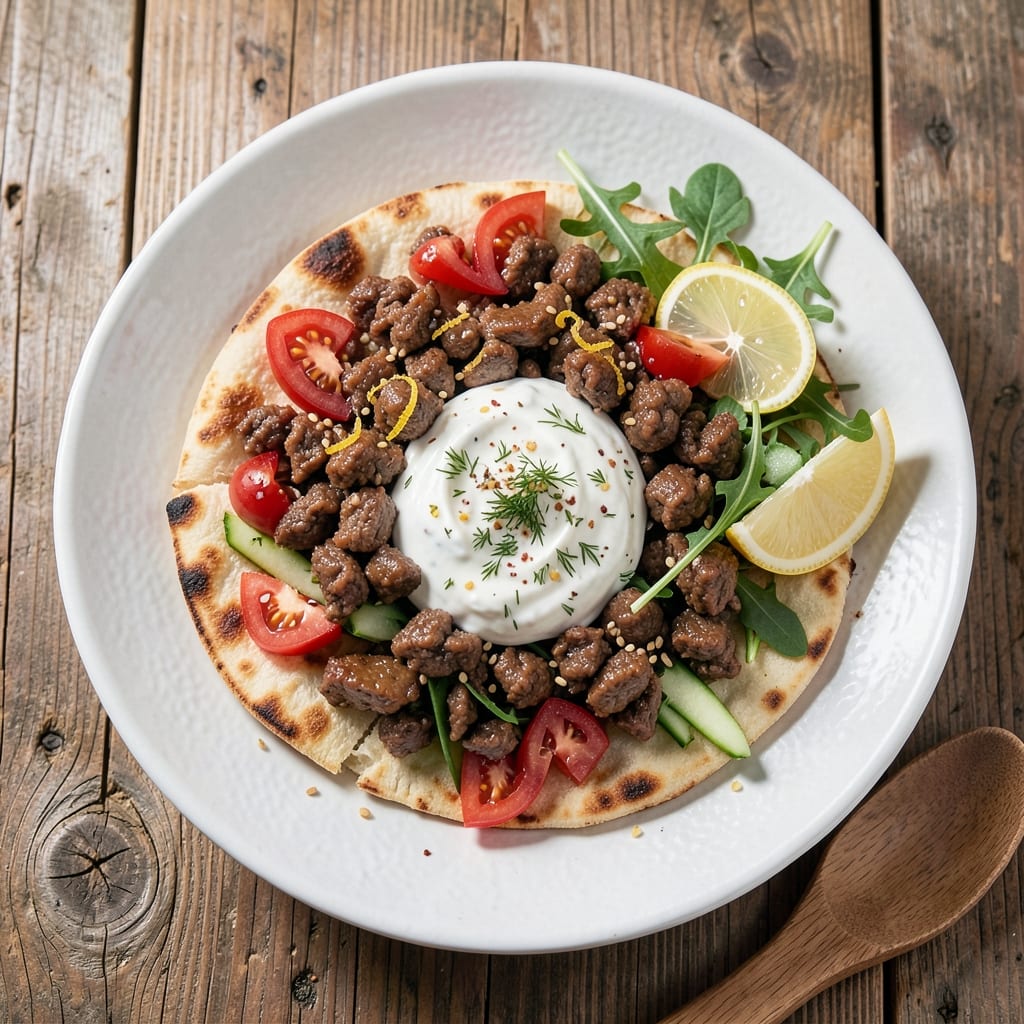
This authentic beef gyro recipe delivers the same flavors you'd find in Athens' best street tavern—juicy, spiced lamb-style beef wrapped in warm pita with cooling tzatziki. The secret lies in marinating the meat overnight with traditional Greek spices and cooking it on a vertical spit for even char and tender texture. I've perfected this method after years of experimenting, ensuring every bite captures that perfect balance of smoky, garlicky, and slightly tangy flavors.
The process begins with a flavorful marinade of lemon juice, olive oil, and oregano that transforms simple beef into restaurant-quality gyro meat. Cooking it on a vertical spit (or in a skillet with careful attention) creates those signature char lines while keeping the inside juicy. Warm pita bread completes the experience, absorbing the juices and sauce perfectly. This isn't just another sandwich—it's a taste of Greece you can make at home.
What makes this recipe truly authentic is the attention to detail: the right blend of spices, proper cooking technique, and traditional assembly. The tzatziki sauce provides that essential cooling contrast, while fresh tomatoes and onions add freshness. Each component works together to create a meal that's as satisfying as it is delicious. The aroma alone will have everyone gathering around the table.
Perfect for family dinners, game days, or casual gatherings, these gyros are hearty enough to be a main dish but simple enough to prepare for a crowd. The recipe scales beautifully, and leftovers reheat well for quick lunches. Let's create this authentic Greek experience in your kitchen.
Ingredients for authentic beef gyro
Eight essential ingredients transform simple beef into restaurant-quality gyro meat and creamy tzatziki sauce.
| Ingredient | Amount | Notes |
|---|---|---|
| Beef Chuck Roast 🥩 | 3 lb | Grainy texture preferred |
| Extra-Virgin Olive Oil 🫒 | ½ cup | High quality, fruity |
| Fresh Lemon Juice 🍋 | ¼ cup | Freshly squeezed |
| Dried Oregano 🌿 | 2 tbsp | Greek oregano preferred |
| Ground Cumin 🌿 | 1 tbsp | Toasted for depth |
| Garlic Cloves 🧄 | 8 cloves | Peeled, minced |
| Ground Coriander 🌿 | 1 tbsp | Freshly ground preferred |
| Salt 🧂 | 1 ½ tsp | Diamond Crystal kosher |
| Black Peppercorns 🌶️ | 1 tsp | Freshly cracked |
| Red Wine Vinegar 🍷 | 1 tbsp | For tangy brightness |
| Pita Bread 🍞 | 8 whole | Store-bought or homemade |
| Plain Greek Yogurt 🧀 | 1 ½ cups | Full-fat preferred |
| Cucumber 🥒 | 1 large | English or Persian |
| Red Onion 🧅 | 1 medium | Thinly sliced |
| Fresh Tomatoes 🍅 | 2 medium | Diced for freshness |
| Fresh Dill 🌿 | ¼ cup | Chopped finely |
| Extra-Firm Tofu 🥬 | 1 block | For optional vegan tzatziki |
The beef is the star—chuck roast delivers that signature tender texture. Costco or Whole Foods have the best quality cuts, but any well-marbled roast works. Look for vibrant red color and visible fat marbling. The Greek oregano makes all the difference—Penzeys Spices sells authentic varieties online. Fresh garlic and cumin should smell aromatic, not stale. For the olive oil, California avocado oil adds a neutral base that lets the spices shine. The lemon juice? Freshly squeezed is non-negotiable—bottled just won't cut it.
No Greek oregano? Mexican oregano works in a pinch, though it's slightly different. Short on red wine vinegar? Apple cider vinegar at double the amount gives similar tang. For the tzatziki, full-fat Greek yogurt is essential—Fage or Chobani brands are my go-tos. The cucumber should be crisp; English cucumbers have fewer seeds than Persian. Need to make this vegan? Swap the yogurt for blended silken tofu plus lemon juice—add 1 tbsp lemon juice per cup tofu for tang. The tomatoes can be cherry tomatoes if you prefer sweeter flavor.
Marinate the beef for at least 4 hours, but overnight is ideal. Store leftovers in airtight containers for 3 days in the fridge. The tzatziki keeps 2 days—just add a thin layer of olive oil on top to prevent drying. For game day prep, make the marinade and tzatziki sauce a day ahead. The pita stays fresh 2 days if wrapped in foil. Freeze the cooked beef in portions for 3 months—thaw overnight in the fridge before reheating.
Why You'll Love This Recipe
- One-Pot Magic: I swear by this—just sear the chuck roast in olive oil, toss it with cumin and oregano, then let it slow-cook while I chop veggies for the side. No pots to scrub, no mess to hide.
- Tangy, Smoky Bite: That lemon juice at the end? It cuts through the richness like a breath of fresh air—bright, zesty, and just enough to make the cumin sing. Honestly, the first time I added it, my partner stole half the pan.
- Game for Any Day: Pack the leftovers in pita pockets for lunch, slice it thin for sandwiches, or serve it over rice when I’m feeling lazy. It’s my go-to when I need something that feels special but won’t take over my evening.
- Budget Stretch: A chuck roast feeds my family for days—way cheaper than takeout, and way tastier. I’ll be real: I’ve made this for date nights, game days, and even my mom’s birthday, and no one’s ever asked for anything else.
Step-by-step instructions for authentic beef gyro assembly
Transform your seasoned beef into restaurant-quality gyros with these precise techniques.
Prepare the Beef Mixture for Shaping
Remove the 3 lb beef chuck roast from the refrigerator and let it sit at room temperature for 15 minutes to ensure even cooking. Using your hands or a fork, gently break the beef into 1-inch chunks, being careful not to overwork the meat—this keeps the texture tender. In a large bowl, combine the beef with the 0.5 cup extra-virgin olive oil, 0.25 cup fresh lemon juice, 2 tbsp dried oregano, 1 tbsp ground cumin, 1 tbsp ground coriander, 1.5 tsp salt, 1 tsp freshly cracked black peppercorns, and 1 tbsp red wine vinegar. Mix thoroughly until the spices are evenly distributed and the beef is well-coated.
Here's the thing—this mixture should be moist but not soupy. If it feels too dry, add 1 tablespoon of water at a time until it reaches a workable consistency. The spices should cling to the beef, not just sit on top. Let the mixture rest for 10 minutes while you prepare the pita bread and toppings. This resting period allows the flavors to meld and the spices to penetrate the meat.
Assemble the Gyro Pockets
Preheat your oven to 375°F for 5 minutes to warm the pita bread. While the oven heats, place the 8 whole pita bread on a baking sheet and warm them for 3-4 minutes until they're pliable and slightly crisp at the edges. This step is crucial—cold pita bread will tear when you try to stuff it. Once warmed, gently stretch each pita to create a pocket large enough to hold 4-5 ounces of beef mixture without tearing.
Here's where authenticity shines: traditional gyros are built with precision. Use a spoon to fill each pita pocket with about ½ cup of the beef mixture, pressing it down gently to create a compact, even layer. Don't overfill—this ensures each bite is flavorful and the pita doesn't burst. Keep the filled pockets covered with a clean kitchen towel to maintain warmth while you prepare the toppings.
Create the Classic Tzatziki and Toppings
For the tzatziki, grate the 1 large cucumber using a box grater or food processor, then transfer it to a clean kitchen towel. Gently squeeze out all the excess water—this is key to a thick, creamy sauce. In a bowl, mix the cucumber with the 1.5 cups plain Greek yogurt, 0.25 cup finely chopped fresh dill, and 1 tsp salt. Stir well and refrigerate until ready to use. For an optional vegan version, blend the 1 block extra-firm tofu with the yogurt mixture instead of using dairy.
While the tzatziki chills, prepare the remaining toppings. Thinly slice the 1 medium red onion and separate the slices into rings. Dice the 2 medium fresh tomatoes into small, even pieces. The onions should be translucent when raw, and the tomatoes should be bright red—this ensures vibrant color and freshness in every bite. Arrange the toppings on a plate, ready to assemble once the beef is cooked.
Cook the Gyro Filling to Perfection
Heat a large skillet over medium-high heat and add the beef mixture in even layers, spreading it out so it cooks uniformly. Cook for 8-10 minutes, stirring occasionally, until the beef reaches an internal temperature of 160°F. You'll know it's ready when the edges are deep golden brown and the beef is tender but still holds its shape. Avoid overcrowding the pan—this ensures the beef browns properly instead of steaming.
Real talk: the beef should be juicy but not raw, and the spices should be aromatic, not burnt. If the mixture feels dry, add 1 tablespoon of water and cover the pan for 1 minute to steam the flavors together. Once cooked, transfer the beef to a serving platter and let it rest for 5 minutes before assembling the gyros. This resting period allows the juices to redistribute, keeping each bite moist and flavorful.
Assemble and Serve the Authentic Gyros
To assemble each gyro, place 2-3 tablespoons of the tzatziki at the bottom of the pita pocket. Add half of the beef mixture, then layer with thinly sliced red onion rings and diced fresh tomatoes. Fold the sides of the pita inward, then roll it tightly from the bottom up, tucking in the sides as you go. The goal is a neat, compact roll that's easy to hold and eat—just like you'd find in a Greek taverna.
Serve the gyros immediately while the pita is warm and the beef is juicy. The combination of tender, spiced beef, creamy tzatziki, and fresh vegetables creates a harmonious balance of flavors and textures. Each bite should deliver a burst of Mediterranean authenticity, with the spices from the beef complementing the cool, tangy tzatziki and the crisp freshness of the tomatoes and onions. Enjoy with a side of lemon wedges for an extra zesty kick!
Pro Tips For Making Authentic Beef Gyro
- Trim the Fat First: Slice the chuck roast against the grain into ¼-inch thick strips—thinner than you’d think—then pat the meat dry with paper towels. I learned this the hard way: skipping the drying step means the beef steams instead of searing, and your gyros end up soggy. (Yes, even if you're impatient like me.) ---
- Sear in Batches: Don’t crowd the pan—work in 2-3 batches max. High heat, 2 minutes per side, until deep brown. After burning three batches, I finally figured out that rushing this step makes the meat tough. Let the pan cool slightly between batches if needed; your future self will thank you. ---
- Marinate Overnight (But Not Too Long): Mix the olive oil, lemon juice, oregano, and cumin, then coat the beef and refrigerate 12–24 hours—no longer, or the meat gets mushy. I was skeptical until I tried it: the acid tenderizes without overpowering, and the spices cling like they’re supposed to. ---
- Rest Before Slicing: After cooking, tent the beef with foil and let it sit 5–10 minutes. I skip this when I’m lazy, but the dish is noticeably better when I don’t—it keeps the slices from falling apart when you wrap them. (Does it look weird? Yes. Does it work? Every single time.)
Dietary considerations for these flavors
Gluten-Free Adaptation
Traditional gyros rely on pita bread, but gluten-free versions work beautifully using gluten-free pita or lettuce wraps like romaine or butter lettuce. Brands like Canyon Bakehouse make excellent gluten-free pitas that toast up just like regular ones. For extra structure, warm the pita for 2 minutes in a dry skillet over medium heat to maintain pliability. 🥬
Dairy-Free Options
Skip the Greek yogurt in the tzatziki and use a vegan yogurt alternative like coconut yogurt or the tofu-based version mentioned in the ingredients. For extra creaminess, add 1 tablespoon of olive oil to the tzatziki mixture. The flavor stays tangy and cool, just without dairy. 🥥
Lower-Carb Modifications
Replace the pita with low-carb tortillas like Mission Carb Balance or portobello mushroom caps for a hearty, low-carb base. Portobello mushrooms grill up with a meaty texture and absorb flavors beautifully. Serve with extra tzatziki and a side of roasted vegetables for a satisfying, lower-carb meal. 🍄
Allergen-Friendly Swaps
For nut allergies, ensure all spices are processed in nut-free facilities—brands like Penzeys clearly label allergen-free products. If you're avoiding garlic, replace the 8 garlic cloves with 1 tablespoon of garlic powder or 1 tbsp of asafoetida powder for a similar savory depth. Always check labels on pre-made ingredients like pita bread for hidden allergens. 🌿
Protein Alternatives
Swap the beef for chicken thigh (marinated the same way) or lamb shoulder for a richer flavor. For a vegetarian option, use extra-firm tofu or tempeh marinated in the same spices and pan-fried until crispy. The technique remains identical—just adjust cooking times slightly for different proteins. 🥩
Nutrition facts
Frequently asked questions
Can I make this beef gyro recipe ahead of time?
Prepare the beef marinade and tzatziki sauce 1 day ahead—they actually taste better after resting. Store the marinated beef in an airtight container in the fridge for 24 hours (no longer). Cook the beef fresh or reheat gently in a skillet over medium-low heat until warmed through. The pita should be warmed just before serving to prevent sogginess.
What's the best way to cook the beef without a vertical spit?
While a vertical spit creates signature char lines, a cast-iron skillet works perfectly. Cook the beef mixture in even layers over medium-high heat for 8-10 minutes, stirring occasionally. For extra authenticity, press the beef into a thin patty shape before cooking to mimic spit-grilled texture. The key is to keep heat consistent—don't overcrowd the pan!
How do I keep the pita from getting soggy?
Warm the pita just before assembling (not before cooking the beef) for 3-4 minutes at 375°F. Keep cooked beef and toppings separate until serving, and assemble gyros right before eating. For extra insurance, lightly toast the pita again for 30 seconds after stuffing. The secret? Don't overfill—half a cup of beef per pocket is perfect.
Can I use ground beef instead of chuck roast?
Ground beef changes the texture dramatically—it'll be more like a meatball than traditional gyro meat. For authenticity, stick with chuck roast (or lamb shoulder) cut into chunks. If you must use ground beef, mix it with 10% breadcrumbs and cook it as a thick patty, but expect a different mouthfeel. The chunky texture from roast is what gives gyros their signature tenderness.
What's the best way to reheat leftovers?
Reheat in a skillet over medium heat with 1 tablespoon of olive oil until warmed through (2-3 minutes). Avoid microwaving—it makes the pita rubbery. For best results, store components separately: beef in one container, pita wrapped in foil, and sauce in another. Reassemble fresh with warm pita for that taverna experience.