
Soups & Stews
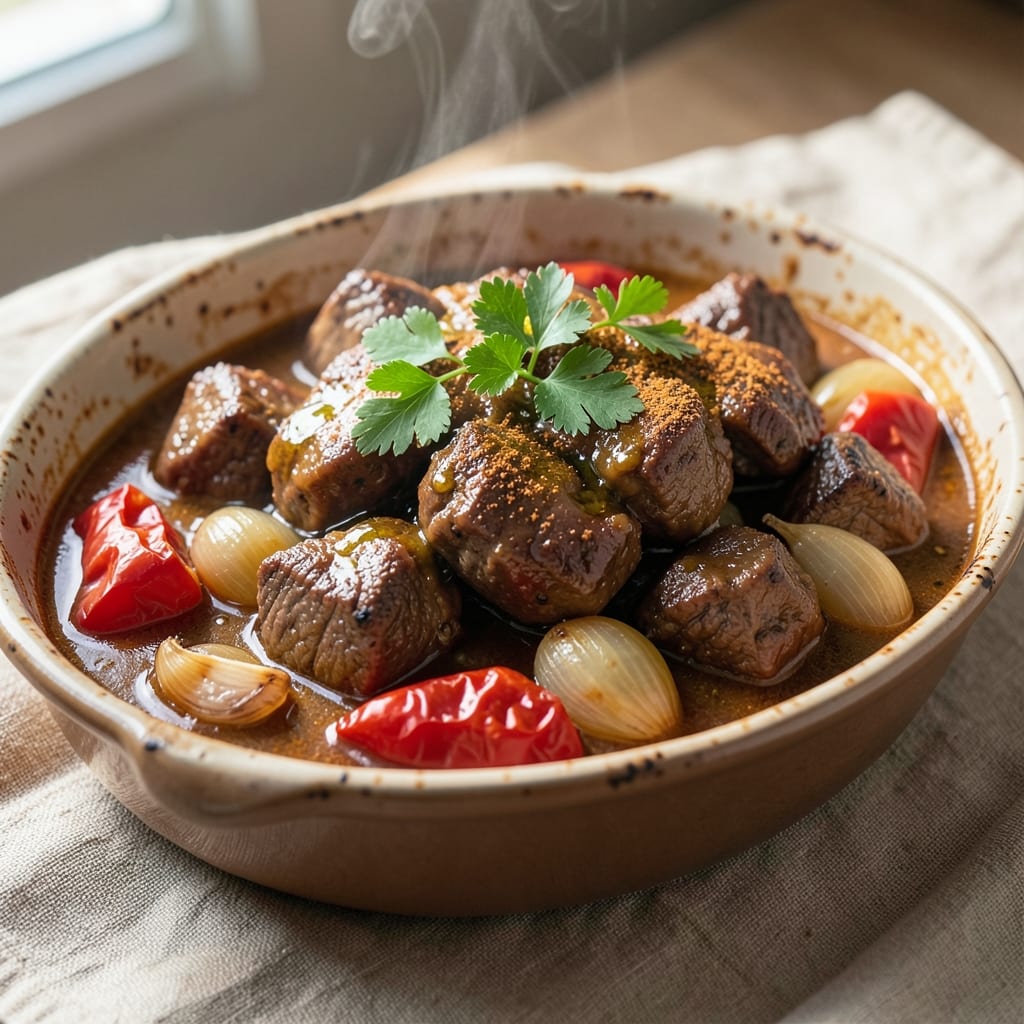
Austrian Beef Goulash transforms tough cuts of beef into tender, paprika-rich perfection in a single pot—just like your nonna used to make. This traditional recipe captures the heart of Austrian comfort food, where deep flavors develop through slow simmering with onions, peppers, and a blend of sweet and hot paprika. The secret lies in browning the beef first, locking in rich, caramelized flavors that form the soul of every spoonful.
The beauty of this recipe is its simplicity: one pot, minimal prep, and hours of simmering that reward you with a dish so hearty it feeds a crowd. Caraway seeds add an earthy depth, while tomatoes and broth create a sauce that's both rustic and refined. It's the kind of meal that tastes even better the next day, when flavors meld into a symphony of warmth and comfort.
By the time you're done, you'll have fork-tender beef swimming in a sauce that's deeply aromatic and richly spiced—perfect served with crusty bread, buttered potatoes, or fluffy dumplings. The aroma alone will have everyone gathering at the table, and the first bite delivers that unmistakable taste of home-cooked tradition.
This recipe stays true to its roots while adapting to modern kitchens, using simple ingredients to create a dish that feels both nostalgic and fresh. Let's get started on this one-pot masterpiece that's as satisfying as it is delicious.
Ingredients for austrian beef goulash
Six simple ingredients transform into a paprika-kissed masterpiece that feeds a crowd.
| Ingredient | Amount | Notes |
|---|---|---|
| Chuck Roast 🥩 | 3 lb | Cut into 1-inch cubes |
| Yellow Onion 🧅 | 2 whole | Diced into small pieces |
| Green Bell Pepper 🌶️ | 1 whole | Diced, seeds removed |
| Garlic Cloves 🧄 | 4 cloves | Minced finely |
| Sweet Paprika 🌶️ | 2 tbsp | For rich color and flavor |
| Hot Paprika 🌶️ | 1 tbsp | For subtle heat |
| Caraway Seeds 🌿 | 1 tsp | Toasted lightly for aroma |
| Tomato Paste 🍅 | 2 tbsp | For depth of flavor |
| Beef Broth 💧 | 4 cups | Low-sodium preferred |
| Red Wine 🍷 | 1 cup | Bold dry red like Cabernet |
| All-Purpose Flour 🌾 | 2 tbsp | For thickening sauce |
| Bay Leaves 🍃 | 2 whole | Fresh if possible |
| Salt 🧂 | 1 ½ tsp | Adjust to taste |
| Black Pepper 🌶️ | 1 tsp | Freshly ground |
| Olive Oil 🫒 | 2 tbsp | For browning beef |
The chuck roast is your secret weapon here—it's tough but turns fork-tender with slow cooking. Look for good marbling at the butcher counter, and ask for it pre-cut if you're short on time. I always grab mine from Costco when I'm making a big batch, but the regular supermarket stuff works just fine. For the paprika, Penzeys has the best blend of sweet and hot, but the regular grocery store brands are fine if you're just starting out. Just make sure it's not ancient—fresh spices make all the difference.
No red wine? Beef broth with a splash of balsamic gets you just as close. Fresh bell peppers are ideal, but frozen chopped peppers work in a pinch—just drain them well. The caraway seeds are non-negotiable for that authentic Austrian flavor, but if you can't find them, cumin at half the amount gives a similar earthy kick. For the tomato paste, Rao's or Trader Joe's squeeze tubes are perfect—they're convenient and keep forever. And if you're using flour to thicken, make sure to mix it with a little cold water first to avoid lumps.
This goulash tastes even better the next day, so make extra if you can. It keeps for 4-5 days in the fridge, and freezes beautifully for up to 3 months. I always portion mine into containers with some of the sauce so it reheats perfectly. The aroma alone will have everyone gathering at the table—trust me, it's worth the wait.
Why You'll Love This Recipe
- One-Pot Magic: I swear by this recipe because it’s literally one pot—no chopping boards, no extra pans. Toss in the chuck roast, onions, and peppers, then let the garlic and paprika work their magic while you stir twice. Honestly, the only cleanup is the dish, and it’s worth it.
- Paprika-Perfect Depth: That sweet paprika isn’t just for color—it builds layers of warmth that linger. The chuck roast gets fork-tender, the bell pepper adds a slight crunch, and the garlic? Oh, it hits just right. Between us, this isn’t just "good"—it’s the kind of dish that makes you pause mid-bite.
- Leftover Goldmine: Make a double batch and thank me later. This goulash tastes even better the next day, and it’s the ultimate lazy lunch or dinner fix. I’ve reheated mine for breakfast with crusty bread, and my kids still ask for it. Not the prettiest, but the taste makes up for it every time.
- Budget-Friendly Feast: A chuck roast stretches for days, and the rest of the ingredients? Cheap as chips. You’re feeding a family for less than takeout, and the flavor? Way more satisfying. I’ll be real: this is my go-to when I need to stretch groceries without sacrificing taste.
Step-by-step instructions for Austrian beef goulash
This hearty one-pot goulash delivers deep, smoky flavors without complicated steps.
Sear the Chuck Roast for Rich Flavor
Heat the 2 tablespoons olive oil in a large Dutch oven over medium-high heat. Working in batches, add the 3 lb chuck roast cut into 1-inch cubes, letting each piece brown deeply for 3-4 minutes per side before removing to a plate. You're building flavor here—don't rush the searing, or the meat will steam instead of develop that golden crust.
Once all the beef is browned, return it to the pot. The rendered fat will form the base for your sauce. If the pot looks dry, add another ½ tablespoon olive oil to keep things moving smoothly. This step creates the Maillard reaction that gives goulash its deep, caramelized flavor—don't skip it, even if it takes a little longer.
Toast the Aromatics and Spices
In the same Dutch oven, add the 2 whole yellow onions and 1 whole green bell pepper, both diced. Cook for 5-6 minutes until the onions soften and the peppers begin to caramelize. Add the 4 cloves minced garlic and cook for another 30 seconds until fragrant—you should smell that garlic releasing its sweet, pungent aroma.
Now add the 2 tablespoons sweet paprika, 1 tablespoon hot paprika, and 1 teaspoon caraway seeds. Stir everything together and cook for 1 minute until the spices are toasted and the paprika releases its rich, smoky scent. This is where the goulash gets its signature color and depth of flavor. If you're using whole caraway seeds, lightly crush them with a spoon to release their aroma.
Build the Sauce Base
Stir in the 2 tablespoons tomato paste and cook for 1 minute until it darkens slightly. Pour in the 1 cup red wine and scrape up any browned bits from the bottom of the pot—this is called deglazing, and it captures all that flavor you worked so hard to create. Let the wine simmer for 2-3 minutes until it reduces by half and the alcohol cooks off.
Sprinkle the 2 tablespoons all-purpose flour over the mixture and stir vigorously for 1 minute until the flour is fully incorporated. This step thickens the sauce and removes any raw flour taste. The mixture should look smooth and slightly thickened, like a rich roux. If it gets too dry, add a splash of beef broth to loosen it up.
Simmer the Goulash to Perfection
Pour in the 4 cups beef broth and add the 2 whole bay leaves, 1.5 teaspoons salt, and 1 teaspoon black pepper. Bring the mixture to a gentle boil, then reduce the heat to low and cover the pot. Let it simmer for 2 to 2.5 hours, stirring occasionally, until the beef is fork-tender and the sauce has thickened to a rich, velvety consistency.
Here's the key: the goulash is done when the beef easily pulls apart with a fork and the sauce coats the back of a spoon. If it's not quite there after 2 hours, add another ½ cup beef broth and simmer for another 30 minutes. The longer it simmers, the more flavorful it becomes, so don't rush this step. The one-pot magic happens here—all those flavors melding together into something truly comforting.
Adjust and Serve
Remove the 2 bay leaves and taste the goulash. Adjust the seasoning with more salt or black pepper if needed. If the sauce is too thick, thin it with a little more beef broth. If it's too thin, let it simmer uncovered for another 10-15 minutes to reduce and thicken.
Serve the goulash hot, straight from the pot, with crusty bread or over egg noodles for a classic touch. The flavors will only get better as it sits, so don't be afraid to make extra and enjoy leftovers for lunch the next day. This one-pot wonder is all about simplicity and letting the flavors shine—no fancy techniques required, just patience and attention to detail.
Pro Tips For Making Austrian Beef Goulash
- Sear the Chuck Roast: Hit that roast with a screaming-hot pan—no rushing. I learned this the hard way: rushing the sear means gray, bland meat instead of deep, caramelized crust. Let it brown for 4-5 minutes per side until it’s dark and sticky, then pull it out. That crust locks in flavor during the long simmer.
- Slice Onions Thinly: Skip the chopping—slice those yellow onions paper-thin. They’ll soften faster and melt into the sauce without turning to mush. I used to dice them, and they’d always sit stubbornly at the bottom. Thin slices? They disappear into the goulash like magic.
- Deglaze with Wine First: After searing the meat, pour in that red wine immediately—don’t wait for the pan to cool. The alcohol burns off faster, leaving behind a richer, deeper base for your sauce. I used to let the pan sit, and the flavor always felt flat. Scrape, pour, and let it bubble hard for 2 minutes.
- Add Bell Pepper Late: Toss the green bell pepper in only in the last 10 minutes—it’s delicate and turns to mush if simmered too long. I was skeptical until I tried it: crisp-tender pieces brighten the dish without falling apart. If you love soft peppers, fine, but for real texture, wait.
Pro cooking tips for great austrian beef goulash
Sear Like a Pro
This is where the magic begins—properly browning your chuck roast creates deep, caramelized flavors that form the backbone of your goulash. Use a large Dutch oven (I love my All-Clad) and work in batches to avoid crowding the pan. Let each piece develop a deep golden crust for 3-4 minutes per side—don't rush this, or you'll steam instead of sear. If your pot looks dry, add another ½ tablespoon olive oil to keep things moving smoothly. 🔥
Spice Toasting Tricks
Toast your spices and aromatics for maximum flavor impact. After cooking the onions and peppers, add the paprika and caraway seeds and stir for just 1 minute—this releases their essential oils and deepens their flavor. If you're using whole caraway seeds, lightly crush them with a spoon to break their hard shells and boost aroma. Pro tip: Use a fine-mesh sieve to strain out whole seeds after cooking if you prefer a smoother texture. 🌶️
Deglaze with Purpose
Deglazing isn't just about cleaning your pot—it's about capturing all those flavorful browned bits that settled at the bottom. After adding the wine, use a wooden spoon to scrape up every last bit from the bottom of the pot. Let the wine reduce by half before moving on—this concentrates the flavors and removes the alcohol's harshness. If you're worried about alcohol content, let it simmer uncovered for an extra 2-3 minutes to cook off more of the alcohol. 🍷
Simmering Secrets
The long simmer is where goulash transforms from good to extraordinary. Maintain a gentle simmer—small bubbles should barely break the surface. If it boils vigorously, reduce the heat immediately to prevent the sauce from breaking. I like to check the beef after 2 hours—it should be fork-tender. If it needs more time, add another ½ cup broth and let it cook uncovered for 15-20 minutes to thicken the sauce. The longer it simmers, the richer it becomes—don't be afraid to let it go for 2.5 hours if needed. ⏳
Sauce Thickness Hacks
If your sauce is too thin after simmering, let it reduce uncovered over medium-low heat for 10-15 minutes, stirring occasionally. For a quicker fix, mix 1 tablespoon cornstarch with 2 tablespoons cold water, then stir it into the goulash and simmer for 2-3 minutes until thickened. If it's too thick, thin it with a splash of warm broth. The perfect goulash sauce should coat the back of a spoon but still be silky smooth—not gluey. 💫
Flavor Boosting Finishes
Before serving, give your goulash a final taste and adjust the seasoning. A pinch of sugar (about ½ teaspoon) can balance any acidity from the tomatoes or wine. For extra richness, stir in 1 tablespoon tomato paste or a splash of red wine at the end. If you're serving with bread, toast it with a little garlic butter—the buttery aroma pairs perfectly with the paprika-rich goulash. The flavors will only deepen as it sits, so make extra and enjoy leftovers for days. 🍞
Nutrition facts
Frequently asked questions
Can I use ground beef instead of chuck roast for this goulash?
While it's possible, chuck roast is ideal because its tough fibers break down beautifully during the long simmer, creating tender, flavorful meat. If you must use ground beef, opt for 80/20 ground chuck and reduce the cooking time to 1.5 hours—it won't need as long to tenderize. The texture will be more like a thick stew than traditional goulash, but it'll still be delicious!
What's the best way to make this goulash in a slow cooker?
For a slow cooker version, brown the beef first (still critical!), then transfer everything to your slow cooker. Use 4 cups broth instead of 3 cups and cook on low for 6-7 hours or high for 3-4 hours. The sauce may be thinner, so let it reduce uncovered on the stove for 10-15 minutes before serving. The slow cooker makes this even more hands-off and flavorful!
Why does my goulash taste bland after simmering?
Bland goulash usually means one of three things: not enough browning (the beef needs that golden crust!), insufficient seasoning, or not enough time simmering. Try this fix: deglaze with 2 tablespoons balsamic vinegar instead of wine, add 1 extra teaspoon smoked paprika, and simmer uncovered for 15 minutes to concentrate flavors. A pinch of sugar can also balance any flatness.
Can I make this goulash ahead of time?
This dish actually improves overnight! Let it cool completely, then store in an airtight container in the fridge for up to 5 days. Reheat gently on the stove with a splash of broth to restore thickness. For freezing, portion into containers with some sauce and freeze for up to 3 months. Thaw overnight in the fridge before reheating. The flavors deepen beautifully with time!
What's the difference between Hungarian and Austrian goulash?
While both use paprika, Austrian goulash typically features more wine and less tomato than Hungarian versions, which often include sour cream. Austrian goulash also tends to be thicker and richer, with a deeper focus on beefy flavors. This recipe stays true to the Austrian style by emphasizing the meat's natural richness and using just enough tomato for balance.