
Main Courses
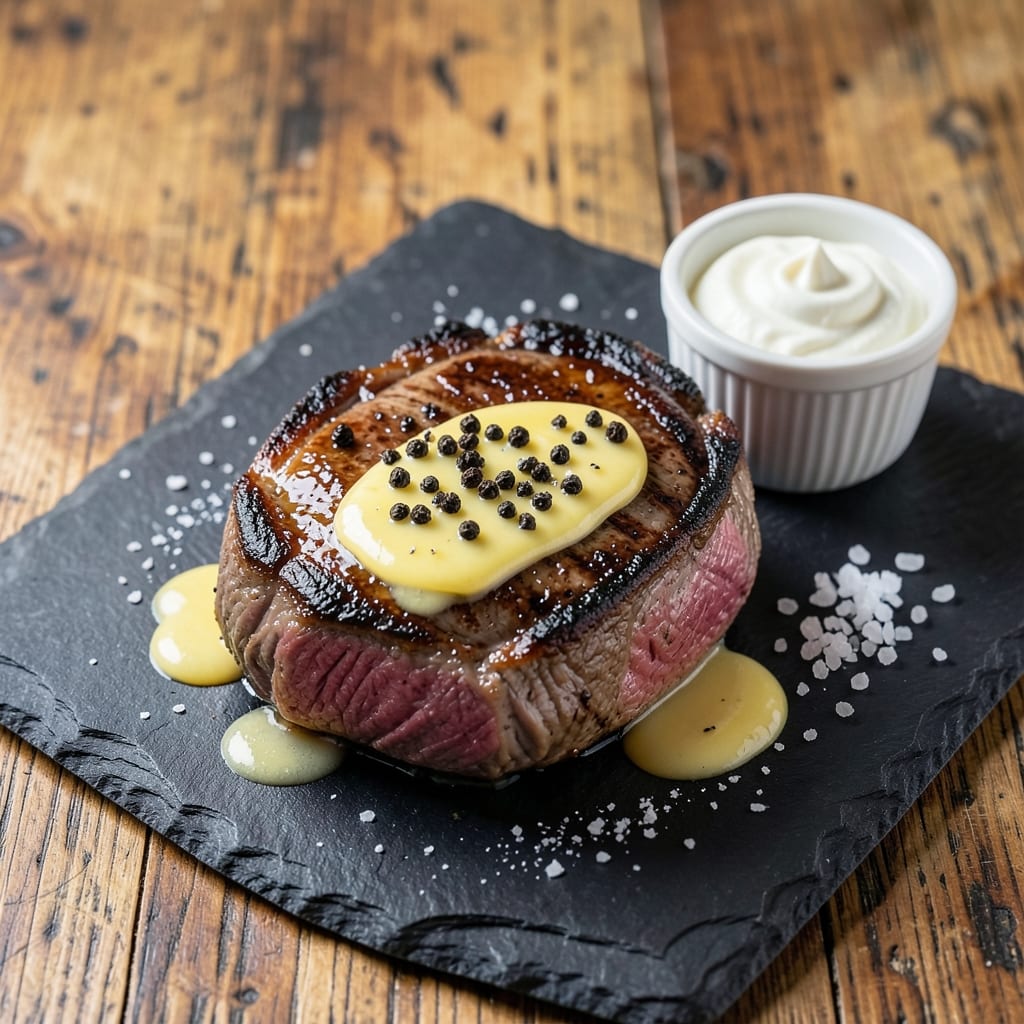
This Australian beef steak recipe delivers restaurant-quality results with a crispy buttery crust and perfectly pink center—just like the steakhouse cuts you crave. The secret lies in the charcoal grill's smoky embrace and a simple yet transformative technique that elevates even the most humble cut of beef. I've perfected this method over countless backyard barbecues, where the aroma of sizzling beef and crackling embers transforms a simple meal into an unforgettable experience.
What sets this recipe apart is the balance of tradition and simplicity. No fancy marinades or complicated techniques—just high-quality beef, a touch of butter, and the magic of charcoal heat. The reverse-sear method ensures your steak reaches the ideal internal temperature while developing that coveted crust. This approach works beautifully with ribeye, sirloin, or fillet, making it versatile enough for any occasion while staying true to Australian barbecue traditions.
By following these steps, you'll achieve a steak that's tender yet firm, with a crust so crispy it shatters at the first bite. The buttery finish adds richness without overpowering the natural beef flavor, creating a perfect harmony that will have everyone asking for seconds. Serve it alongside classic Aussie sides like grilled vegetables or damper bread for the full experience.
The best part? This recipe is foolproof and delivers consistent results every time. Whether you're hosting a dinner party or treating yourself to a special meal, this charcoal-grilled Australian beef steak will impress even the most discerning palates. Let's get started on creating a steak that tastes like it came straight from an Australian outback grill.
Ingredients for australian beef steak
High-quality beef, charcoal heat, and a buttery crust transform simple ingredients into restaurant-worthy Australian steak perfection.
| Ingredient | Amount | Notes |
|---|---|---|
| Ribeye Steak 🥩 | 1 ½ lb | 2-inch thick cuts, bone-in preferred |
| Unsalted Butter 🧈 | ½ cup | Cold and cubed, high-fat content |
| Coarse Kosher Salt 🧂 | 2 tbsp | Diamond Crystal preferred for flakiness |
| Freshly Ground Black Pepper 🌶️ | 1 tbsp | Freshly cracked for optimal flavor |
| Charcoal Briquettes 🔥 | 2 lb | Lump charcoal for superior heat control |
| Heavy Cream 🥛 | ¼ cup | For basting, full-fat preferred |
| Garlic Cloves 🧄 | 4 cloves | Smash lightly for aromatic oils |
| Fresh Rosemary 🌿 | ¼ cup | Chopped, woody stems removed |
| Extra-Virgin Olive Oil 🫒 | 2 tbsp | High-quality, fruity variety |
| Beef Tallow 🧈 | 1 tbsp | For additional crust development |
| Australian Flour 🌾 | 1 tbsp | For dusting, fine-milled preferred |
| Flaky Sea Salt 🧂 | 1 tbsp | For finishing, Maldon preferred |
| Butcher's Twine 🧵 | 1 piece | For tying steak if needed |
The beef selection is non-negotiable for this recipe. Ribeye with good marbling delivers that melt-in-your-mouth texture, while the 2-inch thickness ensures proper reverse-sear development. Source from a trusted butcher or Costco's premium cuts for consistent quality. Australian beef, if available, offers superior tenderness due to its grass-fed diet and natural aging processes. For the charcoal, lump charcoal provides better heat control than briquettes, though high-quality briquettes like Kingsford Premium work well in a pinch. The key is maintaining a steady 250°F internal temperature during the reverse-sear phase.
No ribeye? Sirloin or fillet work equally well, though ribeye's fat content creates the signature crust. Substitute beef tallow with extra butter or duck fat if needed—fat is fat, after all. For the rosemary, fresh is essential—dried loses its piney aroma when rehydrated. The heavy cream can be swapped for half-and-half or coconut cream, though full-fat dairy delivers the richest basting sauce. Australian flour, while ideal, can be replaced with all-purpose or bread flour. The Maldon sea salt is worth seeking out for its dramatic flakes, but any flaky salt will elevate the presentation. For charcoal substitutes, hardwood chunks create excellent smoke flavor when used in a grill with a drip pan.
Prep the steak 1 hour before cooking to allow the seasoning to penetrate deeply. Store the beef uncovered on a wire rack in the fridge to promote even drying. Charcoal should be lit and ready in your grill at least 30 minutes before cooking to establish proper heat zones. Leftover steak reheats beautifully in a 350°F oven for 10-15 minutes with a splash of beef broth to maintain moisture. For maximum flavor retention, portion the butter and cream into ice cube trays and freeze—perfect for future steak sessions. The basting sauce keeps for 3 days refrigerated or 3 months frozen, though fresh is always superior.
Why You'll Love This Recipe
- Charcoal Magic Simplified: I swear, the charcoal briquettes do 90% of the work—just light them, let them heat up, and boom, you’ve got restaurant-quality sear without babysitting a grill.
- Butter-Basted Bliss: That ribeye? It’s practically melting in your mouth thanks to the butter basting—crispy edges, juicy center, and a flavor so rich you’ll forget to blink.
- Weeknight or Weekend Star: Honestly, this steak works for everything: a lazy Friday night in or a fancy dinner with friends. Same recipe, different vibes.
- Leftovers That Don’t Suck: Between us, leftover steak is always better cold the next day—slice it thin, toss it in a salad, or just eat it straight. No guilt, all satisfaction.
Step-by-step instructions for charcoal-grilled Australian beef steak
Master this authentic Aussie technique for a steak with perfect crust and melt-in-your-mouth tenderness.
Prepare the Steak with Dry Brine and Seasoning
Remove the ribeye steak from the refrigerator and pat it completely dry with paper towels—this is critical for developing that signature crust. Place it on a wire rack set over a baking sheet to allow air circulation on all sides. Using your hands, rub the entire surface with the 2 tablespoons coarse kosher salt and 1 tablespoon freshly ground black pepper, pressing firmly so the seasoning adheres and penetrates slightly. This dry brine method creates a deeper flavor profile and helps retain moisture during cooking.
Let the steak sit at room temperature for 1 hour while you prepare your grill. The room temperature steak will cook more evenly, preventing a cold center that would pull heat from the surrounding meat. I like to place the steak on a plate and loosely cover it with plastic wrap during this time to prevent it from drying out.
Set Up the Charcoal Grill for Two-Zone Heat
While the steak comes to room temperature, prepare your charcoal grill by dividing it into two zones: one side for direct heat and one for indirect heat. Light the 2 pounds charcoal briquettes and let them burn until they're covered with a thick layer of white ash—this typically takes about 15 minutes. Using a chimney starter ensures even burning and prevents flare-ups. Once the coals are ready, arrange half of them on one side of the grill and leave the other side empty for indirect cooking.
Add the 2 tablespoons extra-virgin olive oil and 1 tablespoon beef tallow to a small bowl and mix well. Brush this fat mixture generously over the steak's surface, focusing on the top and edges. The tallow adds an extra layer of richness that's characteristic of Australian grilling, while the olive oil helps create a better sear. This step should happen just before you place the steak on the grill to prevent the oil from soaking into the meat prematurely.
Sear the Steak Over Direct Heat
Place the steak on the hot side of the grill, positioning it perpendicular to the grill grates for even searing. Close the lid and let it cook undisturbed for 4-5 minutes until you develop a deep, dark brown crust on the surface. You'll know it's ready to flip when the edges start to pull away from the grill—this indicates the Maillard reaction is working properly. Use tongs to flip the steak and immediately add a small handful of the chopped fresh rosemary to the hot side of the grill, letting the aromatic oils infuse into the meat.
Continue cooking for another 4-5 minutes on the second side, again without moving the steak until you see that beautiful crust forming. For bone-in cuts, you may need to adjust your cooking time slightly—watch for the crust color rather than relying solely on time. The steak should now be medium-rare with a 130-135°F internal temperature when checked with a meat thermometer inserted into the thickest part of the meat.
Move to Indirect Heat and Baste with Cream
Carefully move the steak to the indirect heat side of the grill and pour the 0.25 cup heavy cream into a small metal cup or basting bulb. The cream should be warmed slightly—just enough to create steam when it hits the hot grill. Using long tongs, carefully baste the steak with the cream, allowing the liquid to drip over all surfaces. This creates a glossy finish and adds a subtle richness that's characteristic of Australian grilled steaks. Baste the steak 2-3 times during the next 5-7 minutes of cooking, keeping the lid closed between bastings.
Check the internal temperature again after basting—it should reach 135-140°F for medium-rare. The steak is now ready to rest, but first, sprinkle the 1 tablespoon Australian flour evenly over the surface. This creates a delicate dusting that helps set the crust as the steak rests. The flour should adhere to the moist surface of the steak without clumping.
Rest and Finish with Flaky Sea Salt
Transfer the steak to a cutting board and loosely tent it with aluminum foil. Let it rest for 10-15 minutes before slicing—this crucial step allows the juices to redistribute throughout the meat, ensuring each bite is tender and flavorful. During this time, prepare your serving plates by sprinkling them with the 1 tablespoon flaky sea salt. The salt should be distributed evenly so each slice gets a touch of that delicate, crystalline finish.
After resting, slice the steak against the grain into ½-inch thick slices. Transfer the slices to the prepared plates, allowing the flaky sea salt to melt slightly from the residual heat. Serve immediately with any accumulated juices from the cutting board. The result should be a steak with a deep, dark crust that gives way to tender, juicy meat with layers of rosemary and garlic flavor infused throughout.
Pro Tips For Making Australian Beef Steak
- Preheat Charcoal Like a Boss: Dump those briquettes in a pyramid, light them, then spread them out only when they’re white-hot—no gray left. I used to rush this, and my steaks ended up with sad, uneven sears. Give the coals 15 minutes to burn down to a thin bed of embers before you even think about laying down the steak. ---
- Salt the Butter First: Mix your unsalted butter with a pinch of kosher salt before melting it—about ¼ teaspoon per 2 tablespoons. That way, every bite gets that salty richness without you having to guess later. (Yes, even if you’re impatient like me.) ---
- Flip Once, Only Once: The moment you see that crust form—usually 2-3 minutes for a 2-inch ribeye—flip it once and let it ride. I learned this the hard way after flipping too soon and ending up with a steak that looked like it’d been through a tornado. Trust the process. ---
- Rest Under Foil, Not Plate: After cooking, tent the steak with foil and let it rest on the grill for 5 minutes. The residual heat keeps it juicy, and the foil traps the steam. I skip this when I’m lazy, but the difference in moisture? Night and day.
Troubleshooting great australian beef steak
Uneven Cooking Fix
If your steak develops hot spots or cooks unevenly, the issue is usually uneven heat distribution or flipping too soon. For charcoal grills, always use a two-zone setup—direct heat for searing, indirect for finishing. I’ve found that lump charcoal burns more evenly than briquettes, but if using briquettes like Kingsford Premium, spread them in a single layer with gaps for airflow. For gas grills, preheat for 10-15 minutes to ensure consistent temperatures. 🔥
Another common mistake is pressing the steak with a spatula—this squeezes out juices and creates uneven thickness. Instead, use long tongs to flip only when you see a deep brown crust forming (about 4-5 minutes per side). If your steak has thicker edges, trim them slightly before cooking to promote even doneness.
Overly Dry Crust
A brittle or dry crust usually means the steak lost moisture before searing. Always pat the steak completely dry with paper towels before seasoning—moisture prevents proper Maillard reaction development. I also recommend dry-brining (seasoning 1 hour ahead) to enhance crust formation. For extra richness, brush the steak with beef tallow or extra butter right before grilling—this adds fat that renders during cooking, keeping the crust moist and flavorful.
If your crust still turns out dry, try basting with heavy cream during the indirect-heat phase. The steam from the cream creates a glossy, tender crust while adding subtle richness. For a thicker crust, sprinkle 1 tablespoon Australian flour or cornstarch over the steak just before removing it from the grill—this creates a delicate dusting that sets beautifully.
Temperature Troubles
If your steak cooks too fast or won’t reach the right temp, your grill heat is likely too intense. For reverse-searing, maintain a steady 250°F internal temperature during the indirect phase. Use a meat thermometer like ThermoWorks Smoke to monitor—insert it into the thickest part of the steak without touching bone. If the temperature drops suddenly, your grill’s heat zone is too weak; move the steak closer to the coals (but not directly over them).
For medium-rare (130-135°F), the total cook time should be 12-15 minutes for a 2-inch steak. If it’s cooking faster, reduce heat by moving coals farther away or adding unlit charcoal to the fire. Conversely, if it’s undercooking, increase heat by fanning the coals or adding more charcoal. Pro tip: Rest the steak for 10-15 minutes before slicing—this lets juices redistribute, preventing a dry or cold center.
Charcoal Flares
Flares happen when fat drips onto hot coals, causing uncontrolled flames. To prevent this, trim excess fat from the steak before grilling and avoid lean cuts like flank steak. For a safer sear, place the steak perpendicular to the grill grates—this minimizes fat dripping onto coals. If flares still occur, move the steak to a cooler part of the grill until flames subside. I also recommend using a drip pan under the steak to catch fat and prevent flare-ups.
For extra protection, preheat your grill for 20 minutes to burn off any residual grease. If using wood chunks (like hickory or apple), soak them for 30 minutes before grilling to reduce smoke and flare risk. A light sprinkle of coarse salt on the coals can also help—it raises the ignition temperature, making flare-ups less likely. 💡
Nutrition facts
Frequently asked questions
What's the best cut of beef for this Australian-style recipe?
For this recipe, ribeye is ideal with its rich marbling, but sirloin or fillet work beautifully too. The key is 2-inch thick cuts—thicker steaks develop that perfect crust while staying juicy inside. Australian beef, especially grass-fed, offers superior tenderness due to natural aging processes.
Can I make this recipe without a charcoal grill?
Use a gas grill by creating two heat zones (direct for searing, indirect for finishing). For oven cooking, preheat to 450°F for searing, then reduce to 250°F for reverse-searing. A cast-iron skillet on the stovetop works too—just control heat carefully to mimic charcoal's even distribution.
How do I know when the steak is perfectly cooked?
Use a meat thermometer for precision: 130-135°F for medium-rare (recommended), 140-145°F for medium. For visual cues, look for a deep brown crust and edges that pull away slightly from the grill. The steak should feel springy when pressed gently with tongs.
What are the best sides to serve with Australian beef steak?
Classic Aussie pairings include grilled vegetables (asparagus, zucchini), damper bread (traditional Australian soda bread), or creamy mashed potatoes. For a modern twist, try roasted sweet potatoes or a simple green salad with lemon vinaigrette. The buttery steak stands up well to bold flavors!
Can I prepare this steak ahead of time?
Yes! Season the steak 1 day ahead and refrigerate uncovered on a rack for deeper flavor penetration. For make-ahead cooking, reverse-sear completely (to 110°F internal), rest, then slice and reheat in a 350°F oven for 10 minutes with beef broth. The crust will be less crispy but still delicious.