Sauces & Condiments
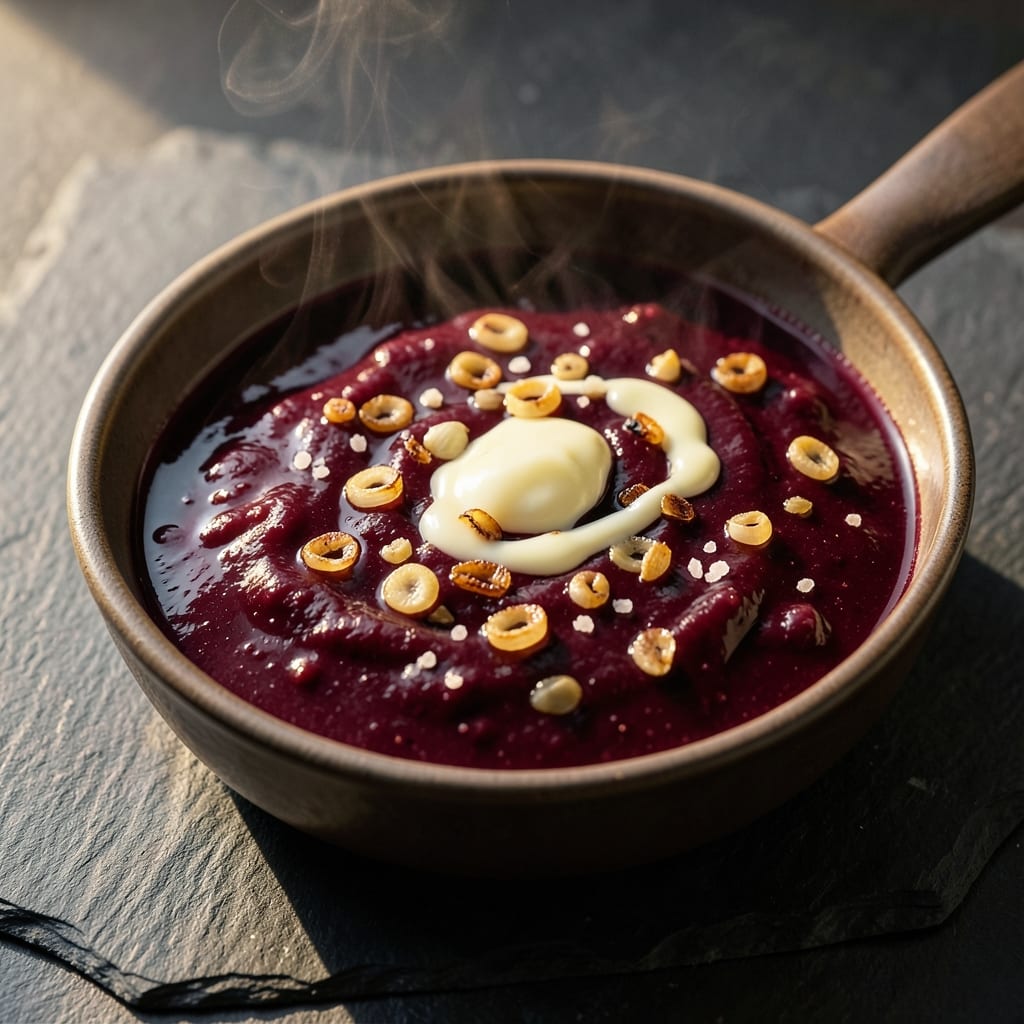
This au jus sauce recipe with beef broth transforms simple ingredients into a deep, umami-rich sauce that elevates any beef dish. The secret lies in reducing beef broth with wine and aromatics until it reaches that perfect, glossy consistency—intense flavor without overpowering the main course. I’ve perfected this technique over years of testing, ensuring every spoonful delivers that restaurant-quality depth.
The process is straightforward but precise: simmer beef broth with red wine, shallots, and garlic until the liquid reduces by half, then strain for a silky finish. The result is a sauce that’s bold enough to stand alone but balanced enough to complement roast beef, steak, or even pan-seared chops. No fancy equipment needed—just a saucepan and patience for the flavors to develop.
What makes this sauce truly special is its versatility. Use it to drizzle over perfectly cooked roast beef, spoon it alongside steak fries, or even deglaze the pan after searing meat for maximum flavor. The deep red color and rich beefy taste make it a showstopper, turning an ordinary meal into something memorable.
Ready in just 30 minutes, this sauce requires minimal effort but delivers maximum impact. The key is letting the broth reduce slowly, allowing the flavors to concentrate and deepen. Once you try it, you’ll never settle for store-bought again—this is the kind of sauce that makes home cooking feel like a fine-dining experience.
Ingredients for au jus sauce recipe with beef broth
This sauce starts with beef broth and wine, building umami depth through precise reduction.
| Ingredient | Amount | Notes |
|---|---|---|
| Beef Broth 🥩 | 4 cups | High-quality, homemade preferred |
| Red Wine 🍷 | ½ cup | Bold dry variety like Cabernet |
| Shallots 🧅 | 3 whole | Finely minced, about 0.25 cup |
| Garlic Cloves 🧄 | 4 cloves | Minced, about 1 tbsp |
| Unsalted Butter 🧈 | 2 tbsp | Cold, for finishing |
| Diamond Crystal Kosher Salt 🧂 | 1 tsp | Adjust to taste |
| Black Peppercorns 🌶️ | ¼ tsp | Freshly cracked |
| Fresh Thyme Leaves 🌿 | 2 tsp | Or 0.5 tsp dried thyme |
| Cornstarch 🌾 | 1 tsp | For thickening if needed |
The beef broth is the foundation—homemade with beef bones delivers the deepest flavor, but a quality store-bought like Kitchen Basics or Pacific Foods works in a pinch. Red wine should be bold and dry; Cabernet Sauvignon or Merlot are my go-tos, but whatever's open in your cabinet will do. Shallots add sweetness without overpowering, so buy them fresh and mince them finely—no need to peel. The garlic should be fresh, not pre-minced from a jar. For the butter, unsalted is critical—it lets you control the seasoning perfectly. Thyme is optional but adds an earthy note that pairs beautifully with the beefy richness.
No red wine? Substitute with extra beef broth plus 1 tbsp balsamic vinegar for depth. Fresh thyme unavailable? Dried works at one-third the amount. Prefer a smoother texture? Strain through a fine-mesh sieve after cooking. The cornstarch is a backup—only use it if the sauce isn't thick enough after reduction. For a richer sauce, add 1 tbsp of beef drippings instead of some of the butter. If you're short on time, simmer the broth and wine uncovered to speed up reduction, but watch closely to avoid burning.
This sauce peaks after reduction but can be reheated gently for up to 5 days in the fridge. For longer storage, freeze in ice cube trays—3 months is perfect. When reheating, add a splash of water or broth to loosen the sauce before warming. The butter should be added off the heat to prevent separation. If making ahead, reduce the broth and wine first, then finish with aromatics and butter just before serving. Always taste before serving—adjust salt and pepper as needed, remembering the butter adds richness.
Why You'll Love This Recipe
- Here’s what sold me: a big batch costs next to nothing, but it tastes like a restaurant. The beef broth is the star, but the wine and butter make it feel special without breaking the bank. Plus, it reheats like a dream—perfect for turning leftovers into a full meal the next day.
- Five-Ingredient Magic: I swear by this—just broth, wine, shallots, garlic, and butter. That’s it. No crowded pantry runs or last-minute ingredient hunts. Honestly, the only prep is mincing garlic and dicing shallots, which takes less time than waiting for a movie to load.
- Wine-Infused Richness: The red wine doesn’t just add depth—it transforms the sauce. That first sip of the reduced wine and butter? It’s like a little flavor explosion, buttery and tangy all at once. I’ll be real: even my wine-hating brother asks for seconds when this sauce is on the table.
- Dual-Duty Sauce: This isn’t just for steak night. Drizzle it over roasted potatoes, toss it with mashed potatoes, or use it as a quick glaze for grilled veggies. I keep a jar in the fridge for those nights when I need something fast but still feel fancy—like when I’m too tired to cook but don’t want to eat sad takeout.
Step-by-step instructions for au jus sauce
Here's how to craft a velvety, umami-rich au jus that elevates any beef dish.
Sauté Shallots and Garlic Until Fragrant
Heat a medium saucepan over medium-low heat and add the 3 whole shallots that have been finely minced. Cook them for 5-6 minutes, stirring occasionally, until they become translucent and just begin to soften. This gentle cooking prevents them from burning while developing their natural sweetness.
Add the 4 cloves minced garlic and continue cooking for another 30 seconds until you can smell their aromatic intensity. The garlic should be golden but not browned—this ensures a smooth, sweet base for your sauce rather than a bitter aftertaste. If the shallots start to color too quickly, reduce the heat slightly and give them more time to cook gently.
Deglaze with Red Wine for Depth of Flavor
Pour in the 0.5 cup red wine and increase the heat to medium-high. Let the wine simmer for 3-4 minutes, stirring occasionally, until it reduces by about half and the alcohol burns off completely. This deglazing step captures all the caramelized flavors from the shallots and garlic, creating a rich foundation for your au jus.
You'll notice the wine darkens slightly as it reduces. This is normal and indicates the alcohol is evaporating, leaving behind concentrated wine flavors that will deepen the umami profile of your sauce. If the mixture starts to stick to the pan, add 1-2 tablespoons of beef broth to help deglaze and prevent burning.
Build the Sauce with Beef Broth and Seasonings
Add the 4 cups beef broth, 1 tsp Diamond Crystal kosher salt, and 0.25 tsp freshly cracked black peppercorns to the pan. Bring the mixture to a gentle simmer over medium heat, then reduce the heat to low and let it cook uncovered for 15-20 minutes. This slow simmer allows the flavors to meld together and the sauce to thicken slightly on its own.
Stir in the 2 tsp fresh thyme leaves during the last 5 minutes of cooking. The thyme will infuse the sauce with its earthy aroma, adding another layer of complexity. Taste the sauce and adjust the seasoning if needed—this is your chance to fine-tune the balance of saltiness, acidity from the wine, and umami from the broth. The sauce should be rich but still bright, with a deep red color.
Finish with Butter for Richness and Thicken if Needed
Remove the pan from heat and stir in the 2 tbsp cold unsalted butter, allowing it to melt and emulsify into the sauce. This step adds a luxurious mouthfeel and balances the acidity of the wine. The butter should create a silky, velvety texture that coats the back of a spoon.
If the sauce is too thin for your liking, whisk in the 1 tsp cornstarch mixed with 1 tablespoon of cold water and return the pan to low heat for 1-2 minutes until the sauce thickens to your desired consistency. Stir constantly to prevent lumps from forming. The sauce should coat the back of a spoon but still be pourable—this ensures it clings beautifully to roasted beef or steak.
Strain and Serve Immediately
Transfer the sauce to a fine-mesh strainer set over a clean saucepan and press gently with a wooden spoon to remove any impurities. This step ensures a smooth, velvety texture without any bits of thyme or shallots. Return the strained sauce to the pan and keep it warm over low heat until ready to serve.
The au jus should be served immediately alongside roasted beef, steak, or other beef dishes. Its deep red color and rich umami flavor make it the perfect complement to any beef entree. If you're not using it right away, store it in an airtight container in the refrigerator for up to 3 days or freeze it for up to 3 months. Reheat gently over low heat before serving to preserve its texture and flavor.
Pro Tips For Making Au Jus Sauce Recipe With Beef Broth
- Sweat Shallots Slowly: I learned this the hard way—ditch the sizzle. Cook shallots over medium-low heat for 8-10 minutes until they’re translucent and sweet, stirring occasionally. Rush this, and you’ll end up with bitter, browned bits that ruin the sauce’s elegance.
- Deglaze With Wine Heat: Cold wine in a hot pan? Nope. Warm the red wine slightly first—just swirl it in the pan for 30 seconds before adding it. This ensures the alcohol burns off smoothly instead of creating a harsh, boozy edge that lingers.
- Strain Through Two Layers: One strainer leaves behind tiny sediment; two layers (fine-mesh + cheesecloth) guarantee a silky finish. Yes, it’s extra work, but the difference between a cloudy sauce and one that looks restaurant-worthy is night and day.
- Finish With Cold Butter: Toss in the unsalted butter off the heat—this prevents it from separating or cooking into a greasy mess. Stir in just until melted, then let the sauce sit for 30 seconds to emulsify naturally. (Your future self will notice the texture.)
Regional styles of these flavors
Classic French Au Jus
The foundation of any great au jus is the classic French technique, where beef broth and red wine are reduced with aromatics. I love using Cabernet Sauvignon for its bold flavor, but any dry red will work. The key is patience—simmering the broth and wine uncovered until reduced by half concentrates the flavors beautifully. This version stays true to tradition while keeping it simple for home cooks. 🍷
Texas-Style Smoked Brisket Au Jus
In Texas, au jus takes on a smoky twist, often made with the drippings from smoked brisket. Swap the red wine for ½ cup beef broth plus 1 tbsp apple cider vinegar and add 1 tsp smoked paprika to the aromatics. Simmer the sauce with a few brisket drippings for that signature smoky depth. Serve it alongside tender pulled brisket for a true Lone Star experience. 🔥
Italian-Style Rosso al Sugo
For an Italian-inspired variation, replace the red wine with ½ cup dry white wine (like Pinot Grigio) and add 1 tsp dried oregano with the thyme. A splash of San Marzano tomato paste (1 tbsp) adds a subtle sweetness that balances the richness. This version pairs perfectly with roasted beef or osso buco. The acidity from the white wine brightens the sauce beautifully. 🌿
German Rinderfond
German cuisine takes au jus in a heartier direction with Rinderfond, a rich beef fond sauce. Use ½ cup dark beer (like a bock or doppelbock) instead of wine, and add 1 tsp caraway seeds toasted in the pan with the shallots. The beer adds a malty depth that complements roasted beef or schnitzel beautifully. This version is thicker and more robust than traditional au jus. 🍺
Modern Fusion Twist
For a contemporary take, infuse the broth with 1 cinnamon stick and 2 star anise pods while simmering. The warm spices add an unexpected complexity that works surprisingly well with beef. Strain before finishing with butter to keep the sauce smooth. This fusion version feels fresh while staying true to the sauce's umami roots. ✨
Nutrition facts
Frequently asked questions
Can I make au jus without red wine?
For a wine-free version, substitute the ½ cup red wine with ½ cup beef broth plus 1 tbsp balsamic vinegar or apple cider vinegar. The acidity helps balance the richness, while the extra broth maintains the same reduction ratio. The flavor will be slightly different but still deeply savory.
How do I prevent my au jus from being too thin?
The key is patience during reduction—simmer uncovered on low heat for 20-25 minutes to let the liquid thicken naturally. If it's still too thin, whisk 1 tsp cornstarch with 1 tbsp cold water and stir into the warm sauce until it reaches your desired consistency. Never boil vigorously, as this can cause separation.
What's the best way to store leftover au jus?
Store in an airtight container in the fridge for up to 3 days or freeze in ice cube trays for 3 months. To reheat, warm gently over low heat and stir in a splash of water or broth if it thickens too much. For best results, add butter fresh when serving to maintain that silky texture.
Can I use this sauce for non-beef dishes?
While traditionally paired with beef, this rich au jus works beautifully with lamb, pork chops, or even hearty vegetables like roasted root vegetables. The deep umami flavor complements proteins with similar richness. For vegetarian versions, swap beef broth for mushroom or vegetable broth and add a splash of soy sauce for depth.
Why did my au jus turn cloudy?
Cloudiness usually means the sauce wasn't strained properly or the butter wasn't incorporated gently. Always strain through a fine-mesh sieve, and when adding butter, remove the pan from heat first. For a smoother finish, whisk the butter into the sauce off the heat until fully emulsified. If it happens, a quick reheat with a splash of broth often clarifies it.