
Main Courses
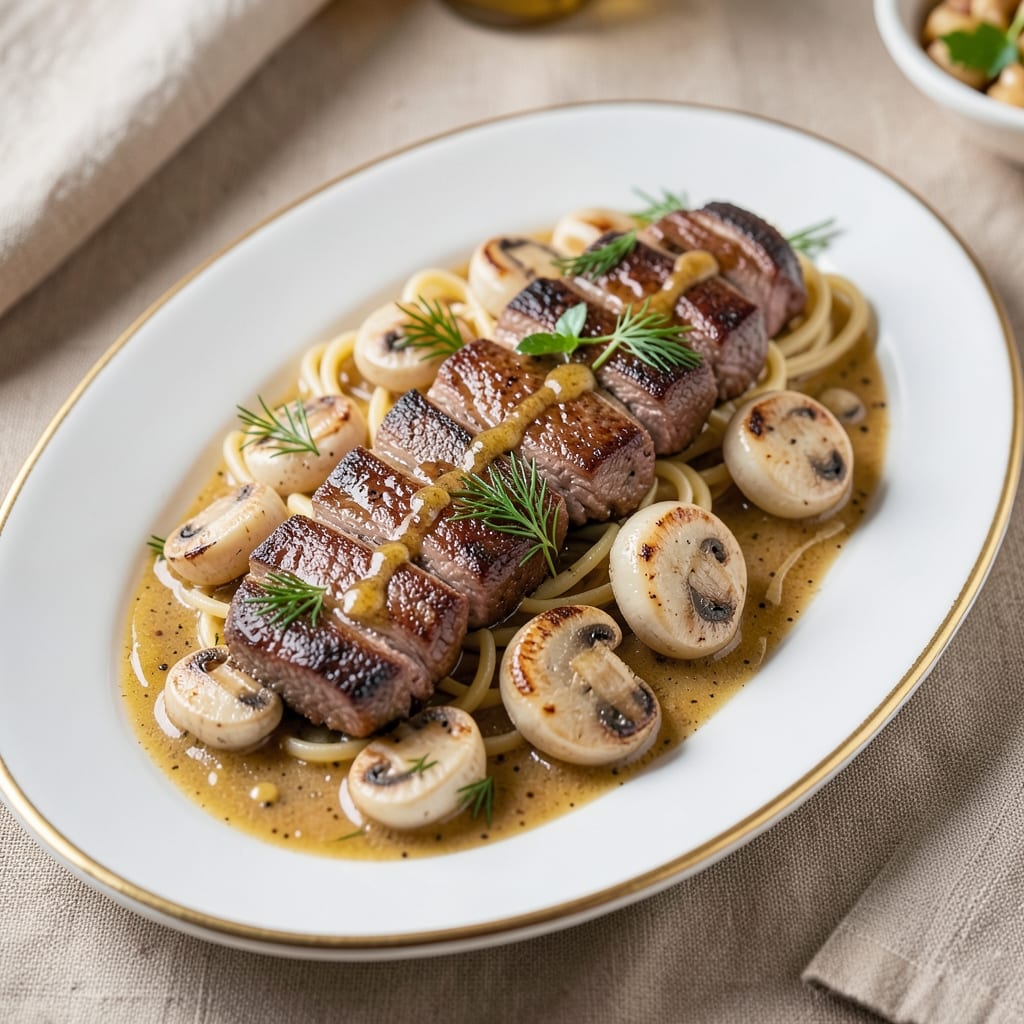
This ATK beef stroganoff recipe delivers restaurant-quality tender beef in a velvety sour cream sauce that's rich yet light enough for weeknight dinners. The secret lies in proper searing and slow cooking to break down the meat, while a classic velouté base creates that signature silky texture. I've refined this version to balance traditional technique with modern preferences—no heavy cream overload, just creamy, tangy perfection in every bite.
The dish begins with searing beef strips until deeply browned, locking in flavor before simmering them in a fragrant mixture of mushrooms, onions, and a touch of Dijon mustard. This creates the foundation for the sauce, where sour cream is folded in at the very end to maintain its velvety texture. The result is a dish that's both comforting and elegant, with just the right balance of tangy, savory, and umami notes.
What sets this version apart is how the beef remains tender while developing deep flavor, thanks to a precise cooking method that avoids toughness. The sauce clings beautifully to egg noodles or rice, making it a complete meal in one pan. Garnished with fresh parsley and a squeeze of lemon, it's the kind of dish that feels special without requiring hours in the kitchen.
Perfect for serving with crusty bread or fluffy egg noodles, this stroganoff adapts easily to your preferences—add a splash of white wine for extra depth or swap mushrooms for spinach for a lighter twist. The technique is straightforward, but the results are undeniably restaurant-worthy. Let's get cooking!
Ingredients for atk beef stroganoff
Here's what transforms simple pantry staples into restaurant-worthy beef stroganoff.
| Ingredient | Amount | Notes |
|---|---|---|
| Beef Chuck Roast 🥩 | 1 ½ lb | Cut into 1-inch strips |
| Yellow Onion 🧅 | 1 whole | Thinly sliced |
| White Mushrooms 🍄 | 8 oz | Sliced into quarters |
| Garlic Cloves 🧄 | 4 cloves | Minced |
| Dijon Mustard 🍯 | 1 tbsp | High-quality brand |
| All-Purpose Flour 🌾 | 2 tbsp | For velouté base |
| Unsalted Butter 🧈 | 3 tbsp | European-style preferred |
| Sour Cream 🥛 | 1 cup | Full-fat for creaminess |
| Beef Broth 💧 | 1 ½ cups | Low-sodium preferred |
| Dry White Wine 🍷 | ½ cup | Optional for depth |
| Fresh Parsley 🌿 | ¼ cup | Chopped for garnish |
| Lemon Juice 🍋 | 1 tbsp | Freshly squeezed |
| Salt 🧂 | 1 ½ tsp | Kosher or sea salt |
| Ground Black Pepper 🌶️ | ½ tsp | Freshly ground |
| Egg Noodles 🍝 | 8 oz | Or rice for gluten-free |
The beef is where this dish shines. Chuck roast delivers that signature tender texture—sirloin or ribeye will stay tough. Look for well-marbled cuts at your butcher or Costco's bulk meat section for the best value. Slice it into even 1-inch strips before cooking; this ensures consistent doneness. For extra flavor, pat the beef dry with paper towels before searing. The mushrooms should be firm and fresh—cremini or baby bella work beautifully if you want to splurge. Avoid pre-sliced mushrooms; they brown faster and lose texture.
No white wine? Substitute extra beef broth—just add 1 tablespoon of lemon juice for brightness. The Dijon mustard is non-negotiable for that classic tang, but if you're out, yellow mustard at half the amount works in a pinch. For the velouté base, European-style butter adds richness, but regular unsalted butter works fine. The sour cream should be full-fat for that velvety texture—low-fat versions separate. If you prefer a lighter sauce, reduce the sour cream to ½ cup and add ½ cup Greek yogurt for tang without heaviness. The egg noodles can be swapped for rice or mashed potatoes if you're avoiding gluten.
This dish tastes even better the next day as flavors meld. Store leftovers in an airtight container in the fridge for up to 4 days—reheat gently on the stove with a splash of broth to restore creaminess. For freezing, portion into single-serving containers and thaw overnight in the fridge. The parsley and lemon juice should be added fresh when serving; they brighten the dish and prevent the sauce from curdling. If you're prepping ahead, make the sauce without the sour cream, then stir it in just before serving to maintain that signature velvety texture.
Why You'll Love This Recipe
- One-Pot Magic: I swear by this recipe—just sear the chuck roast, toss in onions and mushrooms, and let the slow cooker do the rest. No extra pans, no fuss, and that deep, savory aroma fills the house while you’re still chopping garlic.
- Dijon-Kissed Depth: That little spoonful of Dijon mustard? It’s the secret weapon. It cuts through the richness of the beef and mushrooms, giving every bite a bright, tangy punch that makes this stroganoff taste like a restaurant dish—not just something from a slow cooker.
- Leftovers That Beg: This recipe actually improves the next day. The flavors meld into something richer, and it reheats like a dream. I’ve brought it to potlucks, packed it for lunches, and even froze half—every time, people ask for seconds.
- Budget Beef Boost: Chuck roast is affordable, and a single cut feeds my family for days. The mushrooms add luxury without breaking the bank, and the garlic and onions stretch the flavor so well. Honestly, it’s the kind of meal that makes grocery day feel like a win.
Step-by-step instructions for sour cream velouté with tender beef
A rich, velvety stroganoff with melt-in-your-mouth beef and aromatic mushrooms—this method guarantees tender meat and perfect sauce every time.
Prepare and Sear the Beef
Cut the 1.5 lb Beef Chuck Roast into 1-inch strips and pat them dry with paper towels. Season generously with 1.5 tsp Salt and 0.5 tsp Ground Black Pepper. Heat 2 tablespoons of the unsalted butter in a large skillet over medium-high heat until foaming. Working in batches, add the beef strips and sear for 2-3 minutes per side until deep golden brown and cooked to medium-rare (145°F internal temperature).
Remove the beef from the skillet and set aside on a plate. The residual heat will carry it to perfect doneness while the sauce simmers. If the butter starts to smoke excessively, reduce the heat slightly—you want a good sear without burning the butter. The beef should release easily from the pan when ready to flip.
Build the Velouté Base
In the same skillet, reduce heat to medium and add the remaining 1 tablespoon unsalted butter. Add the thinly sliced yellow onion and cook for 4-5 minutes until softened but not browned. Stir in the 8 oz sliced white mushrooms and cook for another 5 minutes until they release their moisture and begin to brown.
Add the 4 minced garlic cloves and cook for 30 seconds until fragrant. Sprinkle the 2 tbsp all-purpose flour over the mushrooms and stir constantly for 1-2 minutes until the mixture forms a smooth paste. This creates the velouté base that will thicken your sauce beautifully. If the mixture looks dry, add 1-2 tablespoons of beef broth to loosen it.
Deglaze and Simmer the Sauce
Pour in the 0.5 cup dry white wine (if using) and scrape up any browned bits from the bottom of the pan with a wooden spoon. This deglazing step captures all the flavor you've built. Let it simmer for 2-3 minutes until the wine has mostly evaporated. Add the 1.5 cups beef broth and bring to a gentle simmer.
Return the seared beef to the skillet and stir in the 1 tbsp Dijon mustard. Let the mixture simmer uncovered for 10-12 minutes until the beef is fork-tender and the sauce has thickened slightly. You want the beef to absorb the flavors without overcooking—it should pull apart easily with a fork but still hold its shape. If the sauce becomes too thick, add a splash of beef broth to reach your desired consistency.
Finish with Sour Cream and Acid
Reduce heat to low and stir in the 1 cup sour cream and 1 tbsp lemon juice. Cook gently for 2-3 minutes just until the sauce is heated through—do not boil or the sour cream will curdle. The lemon juice brightens the flavors and balances the richness of the sour cream. Taste and adjust seasoning with additional salt or pepper if needed.
Stir in the 0.25 cup chopped fresh parsley and let the sauce sit for 1-2 minutes to allow the flavors to meld. The parsley adds freshness and a pop of color that makes the dish visually appealing. Keep the stroganoff warm while you prepare the noodles—this sauce doesn't wait well.
Cook and Combine with Noodles
Cook the 8 oz egg noodles according to package directions until al dente, then drain and rinse briefly with cold water to stop the cooking process. Toss the noodles with 1 tablespoon unsalted butter to prevent sticking. Divide the noodles among serving plates and ladle the beef stroganoff generously over the top.
Garnish each serving with an additional sprinkle of fresh parsley and a crack of black pepper. The contrast between the tender beef, creamy sauce, and eggy noodles creates a harmonious bite. Serve immediately while the noodles are still warm and the sauce is at its peak consistency. This dish tastes even better the next day, but the texture is best enjoyed fresh.
Pro Tips For Making Atk Beef Stroganoff
- SEAR THE CHUCK ROAST: Don’t rush this step—get that pan smoking before adding the beef chuck. A deep, caramelized crust locks in flavor, and I learned the hard way that skipping it means bland, gray meat. Use 2 tablespoons of oil (enough to coat the bottom) and let it sit 2-3 minutes per side until golden, even if it’s not perfectly even.
- SALT THE MUSHROOMS FIRST: Toss sliced mushrooms with a pinch of salt and let them sit 10 minutes before cooking. This draws out moisture so they brown instead of steam into mush. I used to skip this and ended up with soggy, watery mushrooms every time—now they’re crisp and packed with umami.
- LOW AND SLOW FOR THE SAUCE: After deglazing, reduce the heat to medium-low and let the stroganoff simmer uncovered for 15-20 minutes. Rushing it makes the sauce clingy and thin; patience thickens it naturally and deepens the flavors. Stir occasionally, but don’t obsess—just let it work.
- THICKEN WITH A SLURRY: Skip the flour toss and use a quick cornstarch slurry (1 tbsp cornstarch + 2 tbsp cold water) stirred in at the end. It blends seamlessly and guarantees a glossy, velvety texture without lumps. I tried it after burning a batch with roux, and it saved me every time.
Common mistakes when making perfect results
Overcooking the Beef
One of the biggest mistakes is letting the beef dry out—especially after searing. I’ve seen many cooks walk away while the sauce simmers, only to return to tough, stringy strips. The key is to remove the beef from the pan once it reaches medium-rare (145°F) and set it aside. The residual heat will finish cooking it to medium (160°F) while you build the sauce. If you simmer it too long, the beef will turn into shoe leather. 🥩
Skipping the Velouté Base
Some recipes call for dumping everything into the pan at once, but that’s where the magic happens—building a proper velouté base with flour and butter. This step creates the rich, velvety texture that defines stroganoff. If you skip it, your sauce will be thin and watery. I recommend whisking the flour into the butter and mushrooms until it forms a smooth paste before adding liquid. This ensures a silky finish, not a gluey mess.
Adding Sour Cream Too Early
The sour cream is the star, but it’s also the most delicate ingredient. Adding it too soon or letting it boil will cause it to curdle, turning your creamy sauce into a grainy disaster. Always stir in the sour cream on low heat at the very end, just to warm through—never boil. A splash of lemon juice helps stabilize it, but even then, keep the temperature gentle. I’ve ruined more stroganoffs this way than I’d admit!
Ignoring the Wine Deglaze
Deglazing the pan with white wine (or broth) is non-negotiable for flavor. The browned bits stuck to the bottom—called fond—pack serious umami punch. Skipping this step means missing out on layers of depth. If you’re avoiding alcohol, use beef broth with a splash of lemon juice for brightness. Just don’t skip it entirely—your stroganoff will taste flat and one-dimensional. 🍷
Over-Salting the Sauce
Beef broth and sour cream already bring saltiness, so it’s easy to overdo it. Taste as you go! I recommend seasoning the beef generously before searing, then adjusting the sauce at the end. If it’s too salty, a splash of beef broth or a squeeze of lemon juice can balance it out. Trust your taste buds—this isn’t a time for guesswork.
Using Low-Quality Ingredients
This dish shines with quality ingredients. Cheap beef, old sour cream, or pre-sliced mushrooms will make a noticeable difference. Invest in chuck roast for tenderness, full-fat sour cream for creaminess, and fresh mushrooms for texture. Even the Dijon mustard matters—use a high-quality brand like Grey Poupon for that authentic tang. Cutting corners here means sacrificing flavor. 💡
Nutrition facts
Frequently asked questions
Why does chuck roast work best for stroganoff?
Chuck roast contains just the right amount of connective tissue and fat to become tender when cooked slowly. The fat renders out during searing, creating flavorful drippings, while the collagen breaks down during simmering for that melt-in-your-mouth texture. Sirloin or ribeye will stay tough—this cut is specifically chosen for its ability to transform from chewy to luxurious through proper cooking technique.
Can I make this recipe without wine?
Replace the 0.5 cup dry white wine with 0.5 cup beef broth plus 1 tablespoon lemon juice for brightness. The wine adds depth, but this substitution maintains the same velvety texture while keeping the dish alcohol-free. For extra flavor, add 1 teaspoon apple cider vinegar to mimic the acidity of wine.
How do I prevent the sauce from curdling?
Never boil the sauce after adding sour cream—keep heat at low and stir constantly for just 2-3 minutes until warmed through. The lemon juice helps stabilize it, but the key is gentle heat. If you notice any separation, whisk vigorously or strain the sauce through a fine-mesh sieve before serving.
What's the best way to reheat leftovers?
Reheat stroganoff gently on the stove over low heat with 1-2 tablespoons of beef broth to restore creaminess. Microwaving can make the sauce split, and oven reheating may dry it out. For best results, warm for 3-4 minutes until heated through, then adjust seasoning with salt, pepper, or a squeeze of lemon.
Can I substitute mushrooms for another vegetable?
Yes! Swap mushrooms for spinach (add at the end) or bell peppers (slice thinly and cook longer). For a classic twist, try pearl onions or asparagus tips. Just adjust cooking times—mushrooms break down quickly, while denser veggies need more time. The key is to develop flavor before adding the sour cream.