
Soups & Stews
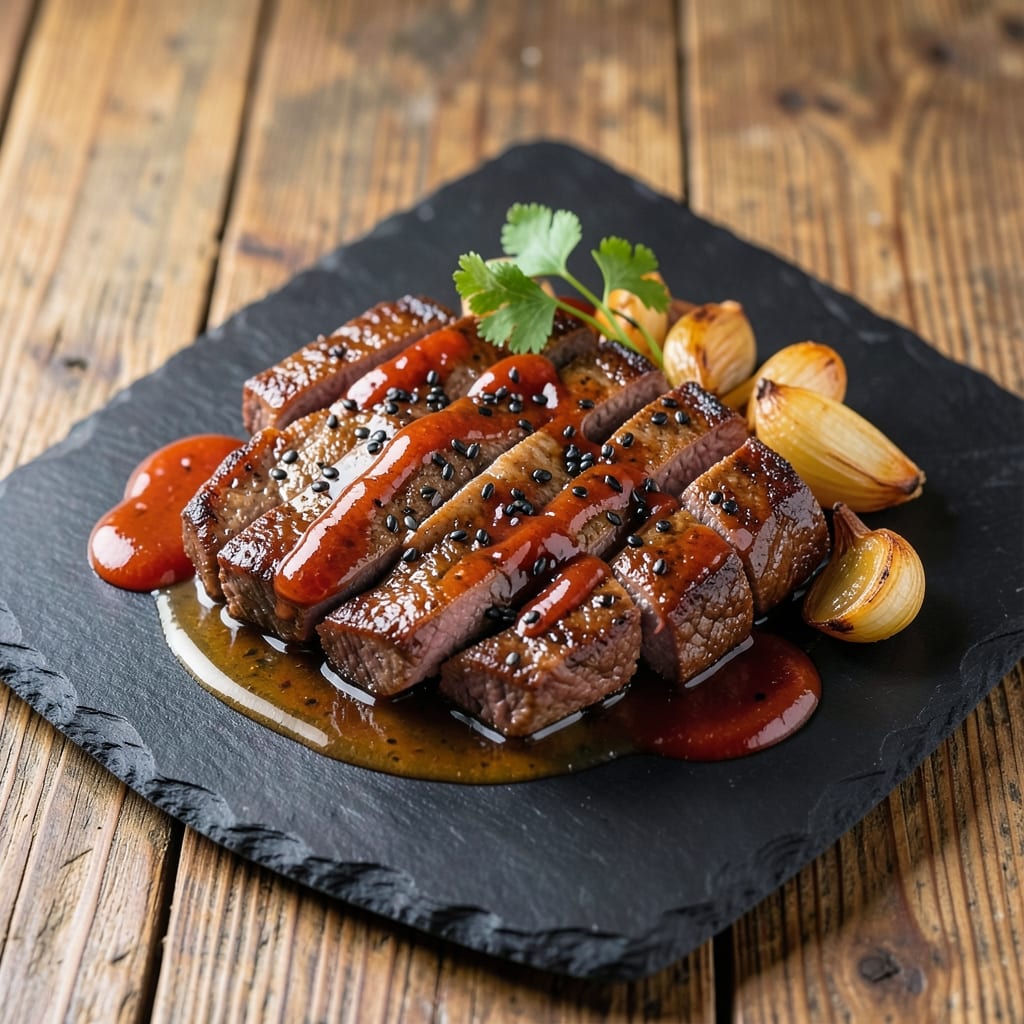
This Asian sticky beef recipe delivers melt-in-your-mouth tenderness with a glossy, caramelized glaze that balances sweet, salty, and umami flavors in just 30 minutes. The secret lies in marinating the beef overnight, allowing the sauce to penetrate deeply, while high-heat searing locks in juices. This technique transforms tough cuts into silky, fork-tender slices that cling to every bite.
What sets this dish apart is the sauce—a rich blend of soy sauce, hoisin, and a touch of honey—that caramelizes beautifully during cooking. The beef develops a sticky, glossy finish that coats each piece, creating a restaurant-quality texture you’d expect from hours of braising. Perfect for weeknight dinners or special occasions, this recipe requires minimal effort but delivers maximum flavor.
The result is a dish that’s tender, aromatic, and deeply satisfying, with a sauce that’s both sweet and savory. Serve it over steamed rice or with pickled vegetables to balance the richness, and you’ll have a meal that feels like a celebration. The method is straightforward, but the outcome is anything but basic—this is sticky beef with depth.
Whether you’re making it for a crowd or a cozy night in, this recipe scales effortlessly. The sauce can be made ahead, and the beef cooks quickly, making it ideal for last-minute gatherings. Here’s how to achieve that perfect balance of tenderness and glaze every time.
Ingredients for asian sticky beef
Flavorful ingredients transform tough beef into restaurant-quality tenderness with minimal effort.
| Ingredient | Amount | Notes |
|---|---|---|
| Flank Steak 🥩 | 1 ½ lb | Thinly sliced against grain for tenderness |
| Kosher Soy Sauce 🍶 | ½ cup | Diamond Crystal preferred for balance |
| Hoisin Sauce 🍶 | ¼ cup | Store-bought or homemade for depth |
| Honey 🍯 | ¼ cup | Wildflower preferred for floral notes |
| Sesame Oil 🫒 | 1 tbsp | Toasted sesame for aroma |
| Garlic Cloves 🧄 | 6 cloves | Minced for concentrated flavor |
| Fresh Ginger 🌿 | 2 tbsp | Finely grated, aromatic base |
| Rice Vinegar 🍶 | 1 tbsp | Seasoned for subtle tang |
| Cornstarch 🌾 | 1 tbsp | For sauce thickening |
| Neutral Oil 🫒 | 1 tbsp | Avocado or vegetable preferred |
| Green Onions 🧅 | ¼ cup | Sliced for garnish and freshness |
| Sesame Seeds 🌾 | 1 tbsp | Toasted for crunch and visual appeal |
| Salt 🧂 | 1 tsp | Kosher for balanced seasoning |
| Black Pepper 🌶️ | ½ tsp | Freshly ground for heat |
The flank steak is non-negotiable for this dish—its lean yet fibrous texture becomes silky when sliced against the grain. Look for cuts with good marbling at Whole Foods or your local butcher; avoid pre-sliced packages that may dry out. For the sauce, Kikkoman soy sauce delivers consistent quality, while Lee Kum Kee hoisin adds that signature sweet-savory depth. The honey should be wildflower or clover—avoid processed varieties that lack floral complexity. Fresh ginger and garlic are essential; frozen won't cut it here. Pro tip: Toast your sesame seeds in a dry pan for 30 seconds before adding—they'll release their nutty aroma instantly.
No hoisin sauce? Substitute 2 tbsp soy sauce plus 1 tbsp maple syrup for a close approximation. Out of rice vinegar? Apple cider vinegar works in a pinch, though the flavor profile shifts slightly. The cornstarch is critical for that glossy, caramelized glaze—don't skip it. For the oil, avocado oil has the highest smoke point, making it ideal for high-heat searing. The green onions can be swapped for scallions, but the white parts only should be used in the sauce to avoid bitterness. And yes, you can use regular honey, but the floral notes in wildflower varieties elevate the dish significantly.
Marinate the beef overnight for maximum tenderness, but the sauce can be made ahead and stored for up to 5 days in an airtight container. The sesame oil should be refrigerated after opening to preserve its delicate flavor—it's not stable at room temperature. For leftovers, reheat gently in a skillet with a splash of water to prevent drying. This dish reheats beautifully and actually tastes better the next day as flavors meld. Portion into single servings for easy lunches—just add fresh rice and garnishes when ready to eat.
Why You'll Love This Recipe
- Five-Ingredient Magic: I swear, this recipe feels like cheating—just steak, soy sauce, hoisin, honey, and sesame oil. That’s it. No chopping mountains of veggies or hunting for obscure pantry items. The sauce comes together in one bowl while the steak rests, and honestly? It’s the kind of meal that makes me feel like a home cook and a short-order chef.
- Sweet-Savory Crunch: Between us, the honey and hoisin create this addictive glaze that caramelizes into little crispy bits when you sear the steak. That first bite? The salty-sweet punch from the soy sauce, the sticky richness of the hoisin, and the nutty finish from sesame oil—it’s the kind of flavor that makes my family pause mid-bite. (Yes, even on a Tuesday night.)
- Leftover Goldmine: This recipe actually improves the next day. The flavors meld even better, and the beef gets more tender—perfect for quick lunches or tossing into stir-fries. I’ve sent containers of this to coworkers and had them beg for the recipe. (Pro tip: Store it with the juices to keep it moist.)
- Budget-Friendly Feast: Flank steak is affordable, and a single pound stretches across two meals for my family of four. The sauce costs pennies, and I’ve even doubled it to freeze half for future emergencies. It’s my go-to when I need something impressive without breaking the bank—or my grocery budget.
Step-by-step instructions for glossy soy-glazed beef
Here's how to transform tough flank steak into tender, sticky perfection with a balanced sauce.
Prep the Flank Steak for Maximum Tenderness
Remove the 1.5 lb flank steak from the refrigerator and pat it completely dry with paper towels. This step is crucial for achieving a good sear later. Place the steak on a cutting board and identify the grain direction—you'll see long muscle fibers running through the meat. Using a sharp knife, slice the steak thinly against the grain into ¼-inch thick strips. You should have about 12-15 strips total.
Transfer the sliced steak to a bowl and season generously with 1 tsp salt and 0.5 tsp black pepper. Toss to coat evenly, then let it sit at room temperature for 15-20 minutes. This resting period ensures even cooking and prevents the steak from becoming tough. While the steak rests, you'll prepare the marinade components that will transform it into sticky, caramelized perfection.
Create the Sticky Glaze Base
In a medium bowl, whisk together 0.5 cup kosher soy sauce, 0.25 cup hoisin sauce, and 0.25 cup honey until fully combined. The mixture should be smooth with no visible streaks of honey. Add 1 tbsp rice vinegar and 1 tbsp sesame oil, whisking again to incorporate. This combination creates the perfect balance of sweet, salty, and tangy flavors that will coat your beef beautifully.
In a separate small bowl, combine 6 cloves minced garlic and 2 tbsp finely grated fresh ginger. This aromatic blend will infuse the beef with deep, complex flavors. Set both mixtures aside—they'll be used in the next step to create the signature sticky glaze. The soy sauce and hoisin provide the umami foundation while the honey adds that characteristic glossy sheen that makes this dish so irresistible.
Sear the Beef and Build the Sauce
Heat 1 tbsp neutral oil in a large skillet over medium-high heat until shimmering. Working in batches to avoid overcrowding, add the seasoned steak strips to the pan. Sear for 1-2 minutes per side until the beef develops a deep golden-brown crust. Remove the cooked beef and set it aside on a plate.
Return the skillet to the heat and add the garlic-ginger mixture, cooking for 30 seconds until fragrant. Immediately pour in the soy sauce mixture, scraping up any browned bits from the bottom of the pan. Bring to a gentle simmer and cook for 3-4 minutes until the sauce begins to thicken slightly. The sauce should coat the back of a spoon—if it's too thin, it won't properly cling to the beef when combined.
Finish with Glossy Perfection
In a small bowl, whisk together 1 tbsp cornstarch with 1 tablespoon water to create a slurry. Stir this into the simmering sauce and cook for 1-2 minutes until the sauce becomes thick and glossy, coating the back of a spoon. The cornstarch acts as a natural thickener that will give your dish that signature sticky texture while maintaining a silky mouthfeel.
Return the seared beef to the skillet and toss gently to coat each piece thoroughly with the sauce. Cook for an additional 1-2 minutes just until the sauce clings to the beef and the strips are heated through. The beef should be fork-tender with a beautiful sheen from the sauce. If the sauce appears too thick, you can thin it slightly with 1-2 teaspoons of hot water to achieve the perfect consistency.
Garnish and Serve Immediately
Transfer the sticky beef to a serving platter and sprinkle generously with 0.25 cup sliced green onions and 1 tbsp toasted sesame seeds. The green onions add a fresh contrast to the rich flavors while the sesame seeds contribute a delightful crunch and nutty aroma. Serve immediately over steamed rice or noodles to capture that perfect balance of textures and temperatures.
This dish is best enjoyed fresh when the sauce is still glossy and the beef remains tender. The combination of caramelized beef, sticky glaze, and aromatic garnishes creates a harmonious balance that makes every bite irresistible. The key to success lies in proper slicing against the grain and careful sauce reduction—both ensure that final tender, sticky perfection you're aiming for.
Pro Tips For Making Asian Sticky Beef
- Sear First, Sauce After: Get that cast-iron or heavy skillet screaming hot before adding the flank steak—you want deep brown crust, not steamed meat. Once seared to medium-rare (about 3-4 minutes per side), pull it out and let it rest while you build the sauce. That crust is what holds the sticky glaze, not the sauce itself.
- Deglaze Aggressively: After searing, don’t just splash in the soy and hoisin—scrape up those browned bits with a wooden spoon first. That’s flavor gold. Add a splash of water or dry sherry (if you’ve got it) to help loosen everything, then simmer until thickened. Skimp here, and your sauce tastes like it’s missing something.
- Balance the Sweet-Salty: Hoisin and honey are a match made in heaven, but if your sauce ends up cloying, add a splash of rice vinegar or a pinch of five-spice powder. The acid cuts through the sweetness while the spice adds depth. Taste as you go—this isn’t a science experiment, but it’s close enough to care.
- Rest the Meat Properly: Flank steak is forgiving, but don’t slice into it fresh off the heat. Tent it with foil and let it sit for 5-10 minutes—this keeps it juicy when you slice against the grain later. I learned this the hard way after serving dry, sad beef that looked like it’d been microwaved.
Wine and beer pairings for these flavors
Sweet-Savory Wine
The rich, caramelized glaze on this sticky beef pairs beautifully with off-dry Riesling from Germany or Austria. Look for wines with 1-2% residual sugar like Dr. Loosen Blue Slate—the honeyed notes complement the dish's sweetness while the acidity cuts through the richness. The wine's citrus and stone fruit flavors also mirror the ginger and garlic in the sauce. 🍷
Umami Beer Balance
A Japanese-style lager like Sapporo Premium or Asahi Super Dry provides the perfect light, crisp contrast. The subtle malt sweetness won't overpower the beef, while the clean finish cleanses your palate between bites. For something bolder, try a wheat beer like Blue Moon—its citrus and spice notes enhance the dish's aromatic complexity. 🍺
Asian-Inspired Cocktail
For a refreshing non-alcoholic option, mix ½ cup ginger beer, 2 tbsp lime juice, and 1 tbsp honey> with ice. The effervescence and ginger heat balance the beef's richness, while the honey ties into the dish's signature sweet-savory profile. Garnish with a lime wheel for brightness.
Regional Pairing Twist
In Korean-style versions, pair with a light soju cocktail—mix 2 oz soju, 1 oz yuzu juice, and ½ oz honey> over ice. The soju's clean finish and yuzu's citrus cut through the sauce's depth, while the honey echoes the glaze. For Thai-inspired adaptations, a lychee martini (vodka, lychee liqueur, and soda) adds tropical contrast. 🌏
Beverage Prep Tips
Chill your wine or beer to 45-50°F>—too warm beer loses its crispness, and chilled wine enhances its acidity. For cocktails, use fresh lime juice and high-quality honey (like Madhava brand) to elevate the flavors. Serve beverages alongside the dish, not before—this prevents palate fatigue and lets the beef's flavors shine. ✨
Nutrition facts
Frequently asked questions
Can I use a different cut of beef instead of flank steak?
Yes, but choose thinly cut, tender options like sirloin or ribeye (sliced against the grain). Avoid tougher cuts like chuck—they won't become tender enough. For best results, stick with ¼-inch thick slices to ensure quick cooking and even sauce absorption.
How do I make the sauce less sweet?
Reduce the honey to 1-2 tablespoons and add 1 extra tablespoon of soy sauce to deepen the umami. For extra tang, increase rice vinegar to 2 tablespoons. Taste as you go—simmer longer to let flavors meld without added sweetness. The sauce should balance sweet, salty, and savory notes.
Can I make this recipe in a slow cooker?
Brown the beef first in a skillet, then transfer to the slow cooker with the sauce. Cook on Low for 4-5 hours or High for 2-3 hours. The beef will become fork-tender, and the sauce will thicken naturally. Shred slightly for extra texture. Just add 1 extra tablespoon of cornstarch at the end to thicken if needed.
What if my beef turns out dry?
Overcooking is the most common cause. Sear beef just until 145°F internal temp (medium-rare) and remove from heat immediately. For extra moisture, toss with 1 tablespoon of the sauce and cover for 5 minutes to steam. Slice against the grain and serve with extra sauce on the side.
How can I make this vegetarian?
Swap beef for extra-firm tofu (pressed and sliced) or mushrooms (shiitake or oyster). Marinate tofu in the sauce for 30 minutes, then pan-fry until crispy. For mushrooms, slice thinly and cook until tender. The sauce will still cling beautifully, though texture will differ. Add 1 tbsp soy sauce to the tofu marinade for extra umami.