
Main Courses
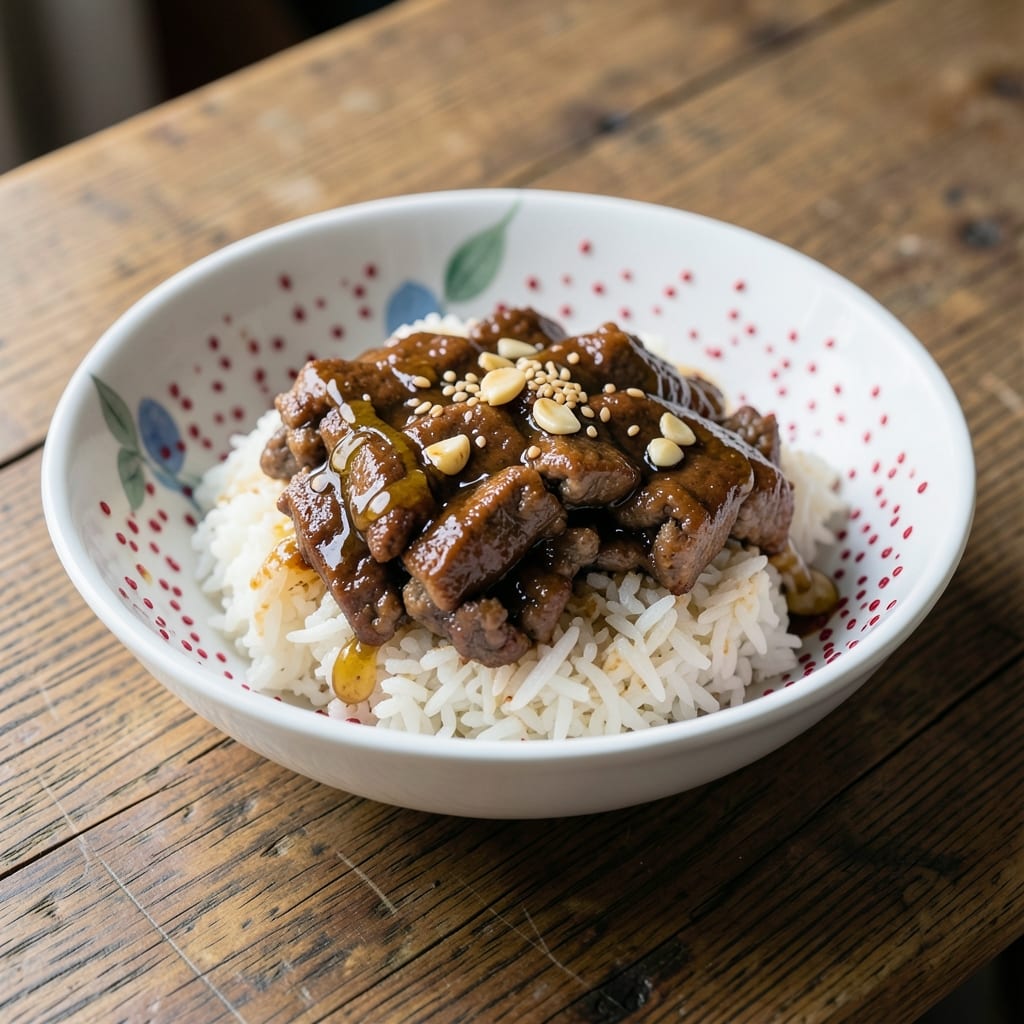
This Asian ground beef and rice recipe delivers restaurant-quality wok-hei heat in a single pan, blending bold flavors with minimal effort. The secret lies in high-heat stir-frying ground beef until aromatic and caramelized, then combining it with fragrant jasmine rice and a savory-sweet sauce that balances umami and sweetness perfectly. Every bite delivers tender beef, fluffy rice, and layers of flavor that transform a simple weeknight meal into something extraordinary.
What sets this dish apart is the one-pan technique, which cuts down on cleanup while maximizing flavor development. We start with a quick sear of the beef to build depth, then layer in rice and sauce for a harmonious blend of textures and tastes. The dish is designed to be versatile—serve it as a standalone meal or pair it with steamed vegetables and a fried egg for a complete, satisfying spread. It’s the kind of recipe that feels both comforting and exciting, perfect for busy weeknights or weekend gatherings.
The result is a fragrant, aromatic stir-fry where the beef remains tender yet flavorful, the rice absorbs the sauce without becoming mushy, and the wok-hei heat infuses every bite with a smoky, charred essence. The sauce—packed with soy sauce, garlic, ginger, and a touch of sweetness—ties everything together, creating a dish that’s both familiar and refreshingly bold. This isn’t just another ground beef recipe; it’s a flavor-packed masterpiece that proves you don’t need complicated techniques to deliver restaurant-quality results.
Ready in under 30 minutes, this recipe is ideal for feeding a family of four or meal prepping for the week. The instructions are straightforward, but the flavors are anything but basic—think umami-rich, slightly sweet, and packed with texture, from the crisp edges of the beef to the fluffy, fragrant rice. Whether you’re a seasoned home cook or a beginner in the kitchen, this dish delivers foolproof, delicious results that will have everyone asking for seconds.
Ingredients for asian ground beef and rice
Restaurant-quality wok-hei heat starts with these aromatic, carefully balanced ingredients.
| Ingredient | Amount | Notes |
|---|---|---|
| Ground Beef (80/20 lean-to-fat ratio) 🥩 | 1 ½ lb | Freshly ground for optimal flavor |
| Jasmine Rice (uncooked) 🍚 | 2 cups | Long-grain, uncooked preferred |
| Light Soy Sauce 🥄 | ½ cup | High-quality, low-sodium preferred |
| Dark Soy Sauce 🥄 | 1 tbsp | For depth and color |
| Sesame Oil (toasted) 🫒 | 1 tbsp | For aromatic richness |
| Garlic Cloves 🧄 | 6 cloves | Freshly minced for bold flavor |
| Fresh Ginger (peeled) 🌿 | 2 tbsp | Finely grated for zing |
| Honey (or brown sugar) 🍯 | 1 tbsp | For subtle sweetness |
| Vegetable Oil 🫒 | 2 tbsp | High smoke point for searing |
| Green Onions 🧅 | 4 whole | Sliced for garnish |
| Sesame Seeds 🌾 | 1 tbsp | Toasted for crunch |
| White Wine (dry) 🍷 | ¼ cup | Optional for depth |
| Diamond Crystal Kosher Salt 🧂 | 1 ½ tsp | For seasoning |
| Ground Black Pepper 🌶️ | ½ tsp | Freshly cracked |
The ground beef is the foundation—80/20 fat ratio ensures maximum flavor and juiciness. Freshly ground beef from the butcher counter delivers superior taste compared to pre-packaged. For jasmine rice, look for long-grain varieties at Asian markets or the international aisle—Lotus or Mahatma brands are excellent choices. The soy sauces are non-negotiable: light soy for saltiness, dark soy for depth and color. If you can't find dark soy, a mix of light soy plus a dash of molasses works in a pinch. Toasted sesame oil is essential; avoid the cheap, flavorless kind—it makes all the difference.
No fresh ginger? Substitute with 1 tbsp ground ginger, but fresh is ideal for that bright zing. Short on sesame seeds? Toasted sunflower seeds work beautifully for crunch. The white wine is optional but recommended—a dry Pinot Noir or Sauvignon Blanc works best. For the sweet element, honey is preferred, but brown sugar dissolved in 1 tbsp water is a perfect substitute. The garlic and ginger should be finely minced—a microplane works wonders for ginger. And if you're using pre-minced garlic from a jar, rinse it first to remove the excess liquid that dulls flavor.
Prep ahead for maximum convenience: rinse and drain the rice before cooking, and have all your aromatics minced and ready. The beef can be seared in advance and refrigerated, then reheated gently with the sauce. This dish reheats beautifully—microwave with a splash of water to restore moisture. Store leftovers in an airtight container for up to 4 days in the fridge, or freeze for 3 months. For meal prep, portion into containers with a sprinkle of sesame seeds on top—they stay fresh and flavorful that way.
Why You'll Love This Recipe
- Here’s what sold me: the contrast. Light soy for brightness, dark soy for richness, and a drizzle of toasted sesame oil at the end—it’s like a flavor explosion in my mouth. The beef stays juicy, the rice soaks up all the goodness, and honestly? I’ve made this for friends who aren’t even "Asian food fans," and they’ve asked for seconds.
- I’ll be real: this recipe costs me about $1.50 per serving. The 80/20 beef stretches far, jasmine rice is cheap, and a splash of soy sauce goes a long way. Plus, leftovers? They taste just as good cold the next day—perfect for quick lunches or when I’m too tired to cook. Not the prettiest, but the taste makes up for it every time.
Step-by-step instructions for one-pan Asian ground beef and rice
Master this technique and you'll achieve restaurant-quality wok-hei flavor in a single pan.
Prepare the Jasmine Rice Foundation
Rinse the 2 cups of jasmine rice under cold water until the water runs clear, then drain thoroughly in a fine-mesh strainer. This removes excess starch that would make the rice gummy. Transfer the rice to a medium saucepan and add 2 cups of water. Bring to a boil over medium-high heat, then immediately reduce to low heat, cover tightly with a lid, and simmer for 15 minutes without lifting the lid.
After 15 minutes, remove from heat and let the rice steam undisturbed for an additional 10 minutes. The residual heat will finish cooking the rice perfectly. Fluff gently with a fork to separate the grains. This method ensures each kernel remains distinct, creating the ideal base for our stir-fry. The rice should be tender but still have a slight bite—this is crucial for balancing the rich beef flavors.
Build the Fragrant Aromatic Base
While the rice cooks, heat the 2 tablespoons of vegetable oil in a wok or large skillet over medium-high heat until shimmering. Add the 6 cloves of minced garlic and 2 tablespoons of freshly grated ginger, cooking for 30-45 seconds until fragrant but not browned. Here's the thing—ginger burns quickly, so keep an eye on it.
Pour in the 0.25 cup of dry white wine (if using) and let it simmer for 1 minute until mostly evaporated. This deglazes the pan and removes any raw alcohol flavor. Immediately add the 0.5 cup of light soy sauce, 1 tablespoon of dark soy sauce, and 1 tablespoon of honey (or brown sugar). Stir constantly for 2 minutes until the sauce begins to thicken slightly. The dark soy sauce will give your dish that signature deep color and umami richness.
Cook the Ground Beef to Perfect Doneness
Push the aromatic mixture to one side of the pan and add the 1.5 pounds of ground beef (80/20 ratio) to the empty space. Let it sear undisturbed for 2-3 minutes until browned on one side. This initial sear develops deep flavor through the Maillard reaction. Break the beef into small, even pieces with a wooden spoon, then stir and cook for an additional 3-4 minutes until fully browned.
Return the aromatic mixture to the beef and stir well to combine. Add the cooked jasmine rice and toss everything together for 2 minutes until the rice is heated through and coated in the flavorful sauce. The beef should be cooked to 160°F internal temperature, with no pink remaining. If the mixture seems dry, add 1-2 tablespoons of water to steam the rice and loosen the sauce.
Finish with Toasted Sesame Oil and Garnishes
Remove the pan from heat and stir in the 1 tablespoon of toasted sesame oil. This adds a nutty aroma and depth of flavor that can't be replicated with regular oil. Taste and adjust seasoning with the 1.5 teaspoons of Diamond Crystal kosher salt and 0.5 teaspoon of freshly cracked black pepper if needed. The dish should balance sweet, salty, and umami flavors.
Transfer to a serving platter and garnish with sliced green onions and toasted sesame seeds. The green onions add freshness that cuts through the richness, while the sesame seeds provide texture contrast. Serve immediately while the rice is hot and the wok-hei flavors are at their peak. The beef should be tender yet slightly chewy, with a glossy sauce clinging to each grain of rice.
Pro Tips For Making Asian Ground Beef And Rice
- CRACK THE BEEF FIRST: I used to just toss raw ground beef into the pan and hope for the best—until I realized breaking it into 1-inch chunks first lets the fat render way faster and gives you better control over browning. Those little pockets of fat are what make the sauce rich, so don’t skip this step, even if it feels tedious.
- USE DARK SOY SAUCE LAST: That dark soy sauce isn’t just for color—it’s for depth. Add it in the final 30 seconds of cooking so it caramelizes into a glossy finish instead of turning bitter. I learned this after burning a batch where I mixed it in too early and ended up with muddy, flavorless beef.
- RICE WATER IS YOUR FRIEND: After draining the rice, don’t rinse it—just shake off the excess water in a colander. That starchy rice water clings to the grains and keeps them moist while absorbing the beef’s savory sauce. I was skeptical until I tried it, and now I never go back to plain water.
- TOAST THE SESAME OIL RIGHT: Sesame oil loses its nutty punch when overheated, so add it after the beef is cooked and just before serving. A few drops over hot rice and beef unlocks that toasty aroma—no need to cook it in. I used to drown the whole pan in it, thinking more was better, until my neighbor’s dish smelled like heaven and mine tasted flat.
Perfect pairings for this asian ground beef and rice
Classic Side Dishes
Steamed bok choy with a sprinkle of toasted sesame seeds and a drizzle of toasted sesame oil adds a crisp, fresh contrast to the rich beef and rice. I like using baby bok choy for tender bites—simply steam for 5-6 minutes until bright green, then toss with 1 tsp soy sauce and ½ tsp sesame oil. The slight bitterness balances the dish beautifully. 🥬
Fusion Additions
For a modern twist, add a fried egg on top of each serving—this creates a beef and rice "bowl", complete with runny yolk for dipping. I crack the egg into the hot pan during the final 2 minutes of cooking so it cooks perfectly. The egg's richness complements the savory-sweet flavors while adding protein. For extra flair, sprinkle crispy fried shallots on top. 🍳
Beverage Pairings
A crisp Sauvignon Blanc from New Zealand cuts through the dish's richness with its citrus notes. I recommend Oyster Bay Sauvignon Blanc—its zesty acidity refreshes your palate between bites. For beer lovers, a light lager like Asahi Super Dry provides a clean, neutral backdrop that lets the dish shine. Avoid heavy, malty beers that would overpower the delicate flavors. 🍷
Spicy Variations
Add 1-2 tsp of gochujang (Korean chili paste) to the sauce for a spicy-sweet kick. I also toss in ½ cup of kimchi during the final 2 minutes of cooking to add tangy, fermented depth. For extra heat, finish with red pepper flakes or a drizzle of sriracha. This version is perfect for those who love bold, complex flavors. 🌶️
Fresh Garnishes
Brighten the dish with thinly sliced cucumber or shredded carrots for a refreshing crunch. I also like adding cilantro leaves for a herbaceous note—just chop ¼ cup and sprinkle on top. For a smoky touch, finish with 1 tsp of smoked paprika or a few crispy bacon bits. These garnishes elevate the dish without overpowering it. 🌿
Meal Prep Adaptations
This dish reheats beautifully for meal prep—store in an airtight container with a sprinkle of sesame seeds on top to preserve freshness. I portion into glass containers and refrigerate for up to 4 days. For reheating, microwave on medium power with 1 tbsp water to restore moisture. The flavors actually deepen overnight, making leftovers taste even better. ❄️
Nutrition facts
Frequently asked questions
Can I use a different type of rice besides jasmine?
While jasmine rice gives that signature fragrant aroma, brown rice or basmati rice work well too. For brown rice, increase cooking time by 10-15 minutes and use 2.5 cups of water. Basmati rice cooks faster—just 12-14 minutes with 2 cups water. The key is keeping the grains separate so they absorb the sauce properly.
What's the best way to prevent the beef from becoming dry?
Use an 80/20 fat ratio ground beef—the fat keeps it juicy! Cook it in two batches if needed to avoid overcrowding the pan, and break it into small pieces after the initial sear. Also, don't overcook—remove it when it reaches 160°F internal temperature. The residual heat will finish cooking it while keeping it tender.
Can I make this recipe in an Instant Pot?
Yes! First, cook the beef separately in the Instant Pot on Sauté mode until browned. Then add the rice, sauce ingredients, and 1.5 cups of water. Seal and cook on High Pressure for 5 minutes, then quick-release. Finish with sesame oil and garnishes. The texture will be slightly different but still delicious—just stir in a splash of water if it's too dry.
How can I make this dish spicier?
Add 1-2 teaspoons of gochujang (Korean chili paste) to the sauce for depth, or stir in ½ cup of kimchi during the final 2 minutes of cooking. For extra heat, finish with red pepper flakes or a drizzle of sriracha. Start with ½ teaspoon and adjust to taste—spices intensify as the dish cools.
Can I freeze this dish for later?
Yes, but freeze the components separately for best results. Cook the beef and sauce, then cool and store in one container. Cook the rice separately, cool, and store in another. When ready to eat, reheat the beef mixture first, then combine with rice. Microwave on medium power with 1 tablespoon water to restore moisture. Leftovers keep well for 4 days in the fridge.