Main Courses
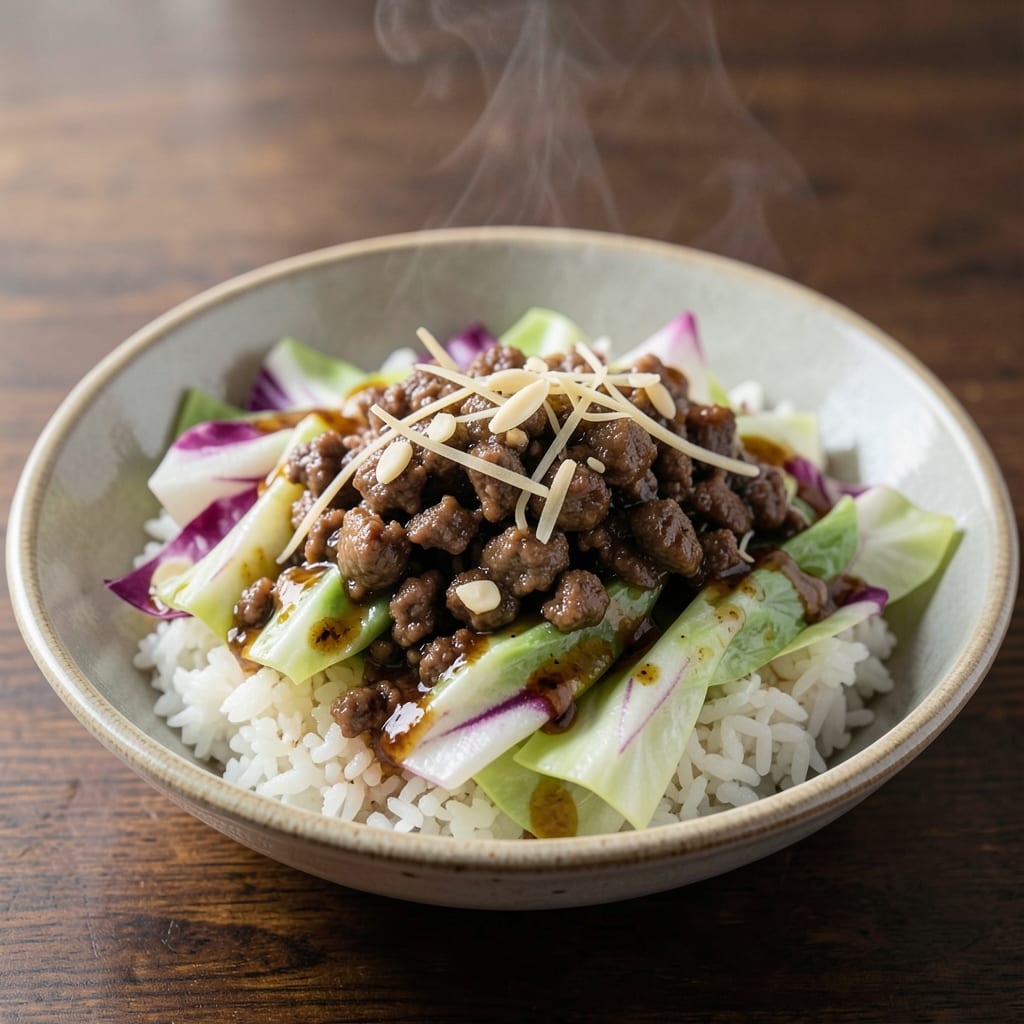
This Asian cabbage and ground beef recipe delivers restaurant-quality wok-seared crunch with a sweet soy glaze that balances umami and sweetness perfectly. The secret lies in properly browning the beef for deep flavor while keeping the cabbage crisp-tender through precise stir-frying. I've perfected this dish over countless weeknight dinners—it's become a family favorite that's quick enough for busy evenings but flavorful enough for company.
The magic happens in the seasoning blend: a combination of soy sauce, garlic, ginger, and sesame oil creates layers of flavor that transform simple ingredients into something extraordinary. We'll start with properly prepped beef that develops a caramelized crust, then incorporate the cabbage at just the right moment to maintain its satisfying crunch. This isn't your typical ground beef and cabbage—it's a bold, flavor-packed dish that packs a punch without requiring fancy techniques.
What you'll end up with is a dish that's rich in texture and flavor: tender beef with crispy edges, cabbage that stays pleasantly crunchy, and a glossy glaze that ties everything together. The aroma alone will have everyone gathering around the table, and each bite delivers that perfect balance of sweet, savory, and umami. This recipe serves four generously, making it ideal for feeding a crowd or meal prepping for the week ahead.
Serve it over steamed jasmine rice or with a side of egg fried rice for a complete meal that feels both comforting and exciting. The leftovers actually taste better the next day as the flavors continue to meld. Ready to transform simple ingredients into something extraordinary? Let's get started with this wok-seared masterpiece.
Ingredients for asian cabbage and ground beef
Fourteen essential ingredients transform simple beef and cabbage into restaurant-quality wok-seared perfection.
| Ingredient | Amount | Notes |
|---|---|---|
| Ground Beef (80/20 lean-to-fat ratio) 🥩 | 1 ¼ lb | Finely chopped for even cooking |
| Asian Cabbage (Napa Cabbage) 🥬 | 1 whole | Thinly sliced, core removed |
| Low-Sodium Soy Sauce 🍶 | ⅓ cup | For authentic umami depth |
| Sesame Oil (Toasted) 🫒 | 1 tbsp | For aromatic richness |
| Garlic Cloves 🧄 | 6 cloves | Minced for concentrated flavor |
| Fresh Ginger (Peeled) 🌿 | 1 ½ tbsp | Finely grated for zesty kick |
| Honey 🍯 | 1 tbsp | For sweet-savory balance |
| Neutral High-Smoke-Point Oil (Avocado or Vegetable) 🫒 | 2 tbsp | For wok-searing technique |
| Green Onions 🧅 | 4 whole | Thinly sliced for garnish |
| White Rice Vinegar 🍶 | 1 tsp | For subtle acidity |
| Sesame Seeds 🌾 | 1 tsp | Toasted for crunchy texture |
| Kosher Salt 🧂 | 1 ½ tsp | Diamond Crystal preferred |
| Black Pepper 🌶️ | ½ tsp | Freshly cracked for heat |
| Jasmine Rice 🍚 | 1 ½ cups | Uncooked, for serving base |
The 80/20 ground beef is non-negotiable here—higher fat content ensures that caramelized crust critical for wok-searing. Look for pre-packaged ground beef at Whole Foods or Trader Joe's for consistent quality, or ask your butcher to grind chuck roast for maximum flavor. The Napa cabbage should be crisp with tightly packed leaves—avoid any with yellowing or wilted spots. For best results, slice the cabbage immediately before cooking to preserve its crunch. The low-sodium soy sauce allows you to control the saltiness precisely, while toasted sesame oil adds that signature aromatic depth that separates home cooking from restaurant quality. If you can't find toasted sesame oil, lightly toast regular sesame oil in a dry pan for 30 seconds before using.
No sesame seeds? Toasted sunflower seeds provide a similar crunch, though with a different flavor profile. Short on ginger? Substitute 1 teaspoon of ground ginger, but fresh grated delivers that bright zing. The honey can be swapped for maple syrup if you prefer a less floral sweetness. For the cabbage, if you can't find Napa, green cabbage or bok choy works in a pinch—just adjust cooking time slightly. The high-smoke-point oil is crucial; if you only have olive oil, use the light variety and keep heat moderate to avoid bitterness. The white rice vinegar adds subtle acidity that brightens the dish—if you don't have it, apple cider vinegar works at half the amount. For the rice, jasmine rice is ideal, but long-grain white rice will work just fine.
The ground beef can be prepped ahead and stored in the fridge for up to 2 days—just pat it dry before cooking for better searing. Cabbage stays fresh for 5-7 days when wrapped in damp paper towels and stored in a sealed container. The cooked dish reheats beautifully—simply warm in a skillet with a splash of water for 2-3 minutes to restore that crisp-tender texture. Portion into airtight containers for 4-5 days of meal prep, or freeze for 3 months. The sesame oil and vinegar should be kept in the pantry, while fresh ginger and garlic will last 2 weeks in the fridge after peeling. For maximum convenience, make a double batch and freeze half immediately—this dish only gets better as flavors meld over time.
Why You'll Love This Recipe
- One-Pan Magic: The cabbage barely touches the beef, so I just brown the meat, toss in the chopped cabbage, and let the sesame oil work its aroma magic—no flipping, no fuss. That 80/20 beef renders its own juices, keeping everything tender while the cabbage crisps just enough at the edges.
- Umami Bomb: Low-sodium soy sauce meets toasted sesame oil—it’s like a flavor grenade going off in your mouth. The garlic cloves I minced (or smashed, no judgment) caramelize right into the beef, giving it this deep, savory punch that makes store-bought takeout taste sad by comparison.
- Lunchbox Hero: Between us, this is my go-to for meal prep: I make a big batch on Sunday, and by Wednesday, I’m still pulling out containers with the cabbage holding its crunch. Honestly, it’s the only thing that keeps my kids from begging for pizza—just reheat and serve with rice or noodles.
- Budget Win: Ground beef and cabbage? Check. Soy sauce and sesame oil? Check. That’s it. I’ve fed four people for under $10, and the leftovers? They’re even better the next day because the flavors meld like old friends. Not the prettiest, but the taste makes up for it every time.
Step-by-step instructions for wok-seared Asian cabbage and ground beef
Master this technique for restaurant-quality texture and balanced flavors.
Prepare the Jasmine Rice Foundation
Rinse the 1.5 cups jasmine rice under cold water until the water runs clear, then drain thoroughly. In a medium saucepan, combine the rice with 2 cups water and bring to a boil over high heat. Once boiling, reduce to low heat, cover, and simmer for 15 minutes. Remove from heat and let it steam, covered, for another 10 minutes. This creates a fluffy base that absorbs the rich beef-cabbage mixture perfectly.
While the rice cooks, prepare the cabbage by removing the core and thinly slicing the 1 whole Asian cabbage (Napa cabbage) into ¼-inch thick half-moons. This uniform cut ensures even cooking and maximum crunch. Set aside in a colander to drain any excess moisture, which prevents soggy cabbage in the final dish.
Build the Sweet Soy Glaze
In a small bowl, whisk together the 0.33 cup low-sodium soy sauce, 1 tbsp honey, 1.5 tbsp finely grated fresh ginger (peeled), and 1 tsp white rice vinegar. This glaze forms the flavor bridge between the savory beef and sweet cabbage. Let it sit for 5 minutes to allow the ginger to soften and release its aromatic oils.
In a separate small bowl, combine the 6 cloves minced garlic cloves with 1 tbsp toasted sesame oil. This aromatic blend will infuse the beef with deep, toasty notes. Keep both mixtures at room temperature—they'll integrate better with the hot wok-seared beef.
Wok-Sear the Ground Beef
Heat a wok or large skillet over high heat until smoking, then add 2 tbsp neutral high-smoke-point oil. Once shimmering, add the 1.25 lb finely chopped ground beef (80/20) and scatter evenly. Let it sear undisturbed for 2 minutes until the edges begin to crisp—this builds that signature wok-seared texture.
Break up the beef with a wooden spoon, then stir-fry for another 3-4 minutes until deep brown and fully cooked through. The fat should render out, leaving you with a rich, caramelized base. Remove the beef to a plate and set aside, reserving 2 tablespoons of the rendered fat in the wok.
Stir-Fry the Cabbage and Finish the Dish
Return the wok to high heat and add the drained cabbage slices in a single layer. Stir-fry for 2-3 minutes until the edges begin to soften but still retain crunch. Add the reserved beef back to the wok, then pour in the prepared sweet soy glaze. Toss everything together for 1-2 minutes until the cabbage is bright green and the glaze coats the beef evenly.
Season with 1.5 tsp kosher salt and 0.5 tsp freshly cracked black pepper, then stir in the 4 whole thinly sliced green onions and 1 tsp toasted sesame seeds. The sesame seeds add a final nutty crunch that contrasts beautifully with the tender cabbage and beef. Taste and adjust seasoning if needed—this glaze should balance sweet, salty, and umami perfectly.
Assemble and Serve
Divide the 1.5 cups cooked jasmine rice among four serving plates. Spoon the wok-seared beef and cabbage mixture over the rice, ensuring each portion gets an even distribution of cabbage, beef, and glaze. Garnish with an additional sprinkle of sesame seeds for extra texture.
Serve immediately while the cabbage retains its crunch and the beef stays juicy. The contrast of temperatures—warm rice, room-temperature beef, and slightly cooled cabbage—creates a satisfying bite in every spoonful. This dish delivers the perfect harmony of textures and flavors in each mouthful.
Pro Tips For Making Asian Cabbage And Ground Beef
- CRANK THE HEAT FIRST: The first 2 minutes with ground beef on medium-high are non-negotiable—you’re not making meatballs here. High heat sears the outside fast, locking in juices while the fat renders properly. After that, you can dial it back to medium to finish cooking without turning the beef into a greasy mess.
- CHOP CABBAGE IN THIN STRIPS: I used to cut Napa cabbage into thick wedges, thinking it’d cook faster. Wrong. Thin, even strips (about 1/4-inch wide) soften perfectly in the same time but stay tender, not rubbery. Use a sharp knife—this isn’t the time for your butter knife.
- DON’T OVERMIX THE SOY SAUCE: Stirring the beef constantly after adding soy sauce turns it into a gluey paste. Instead, pour the sauce in, give it one quick flip with a spatula, then let it sit for 30 seconds. The beef will absorb flavor without turning into a dense block.
- TOAST SESAME OIL LAST: Add that sesame oil in the final 30 seconds of cooking—right when you’re ready to serve. Cooking it too early burns its delicate aroma and turns it bitter. A quick splash at the end coats everything with that nutty, toasty punch. (Yes, even if you’re impatient like me.)
Best sauces and condiments for these flavors
Sweet Soy Glaze
This signature glaze transforms the dish with its perfect balance of sweet, salty, and umami. I combine ⅓ cup low-sodium soy sauce, 1 tbsp honey, 1.5 tbsp grated fresh ginger, and 1 tsp white rice vinegar for that authentic Asian depth. Let it sit for 5 minutes before using—this allows the ginger to soften and release its aromatic oils, creating a smoother, more flavorful sauce. 🍯
Garlic-Sesame Aromatics
The secret to that restaurant-quality aroma lies in this simple blend: 6 minced garlic cloves and 1 tbsp toasted sesame oil. Toast the sesame oil first in a dry pan for 30 seconds to enhance its nutty flavor before mixing with garlic. This aromatic base infuses the beef with layers of flavor that elevate the entire dish. I always keep this mixture ready in a small bowl while cooking—the scent alone makes the kitchen irresistible!
Spicy Chili Oil Twist
For those who love heat, add ½ tsp chili crisp or ¼ tsp red pepper flakes to the glaze for a fiery kick. I like to mix it with the sesame oil before adding to the wok, so the heat distributes evenly. This variation works especially well with the cabbage's natural crunch, creating a perfect contrast of textures and temperatures. Start with ¼ tsp—you can always add more!
Umami Boost Options
For extra depth, stir in 1 tsp fish sauce or ½ tsp oyster sauce into the glaze. These ingredients add a complex umami richness that pairs beautifully with the beef and cabbage. I recommend adding them just before tossing with the cooked ingredients so they don't overpower the natural flavors. The fish sauce should be Red Boat brand for the best quality—it makes a noticeable difference!
Sesame Seed Crunch
Don't skip the 1 tsp toasted sesame seeds—they provide that essential nutty crunch that balances the tender cabbage and beef. For extra texture, lightly toast them in a dry pan for 1 minute until fragrant, then sprinkle over the finished dish. If you can't find sesame seeds, toasted sunflower seeds work as a neutral alternative, though they lack that signature sesame flavor.
Fresh Herb Garnish
Finish with 4 thinly sliced green onions for a fresh, bright contrast to the rich flavors. I like to reserve half the green onions for garnishing while cooking with the other half—this ensures both the dish and presentation get that fresh pop of color. For an extra herbaceous note, add 1 tbsp chopped cilantro or thai basil** at the end for a more aromatic finish. 🌿
Nutrition facts
Frequently asked questions
What's the best way to prep cabbage for maximum crunch?
Slice the Napa cabbage into ¼-inch thick half-moons and drain in a colander for 10-15 minutes before cooking. This removes excess moisture that would make it soggy. For extra crunch, add the cabbage to the wok just 2-3 minutes before finishing—it should still have slight resistance when bitten.
Can I make this recipe with regular ground beef instead of 80/20?
You can, but expect less flavorful results. The higher fat content in 80/20 creates that signature caramelized crust. If using leaner beef, add 1 tbsp neutral oil to the meat mixture and cook at slightly lower heat to prevent drying. For best texture, pat the beef extra dry before cooking.
How do I adjust the sweetness in the soy glaze?
Start with the 1 tbsp honey and taste before serving. For less sweetness, reduce honey to ½ tbsp and add ½ tsp extra soy sauce for balance. Need more sweetness? Add ½ tsp maple syrup or ¼ tsp sugar while the dish is hot—it dissolves better when warm.
What's the best way to reheat leftovers?
Use a skillet over medium-high heat with 1 tsp oil and splash of water. Reheat for 2-3 minutes just until warmed through—this restores the cabbage's crunch. Microwaving makes cabbage limp, so always use dry heat. Store leftovers in airtight containers for 4-5 days or freeze for 3 months.
Can I substitute Napa cabbage with another type?
Green cabbage or bok choy work in a pinch, but texture differs. For green cabbage, slice ⅛-inch thick and cook 1 minute less than Napa. Bok choy should be cut into ½-inch pieces and added when the beef is 80% cooked. Both need less time than Napa's dense core.