
Soups & Stews
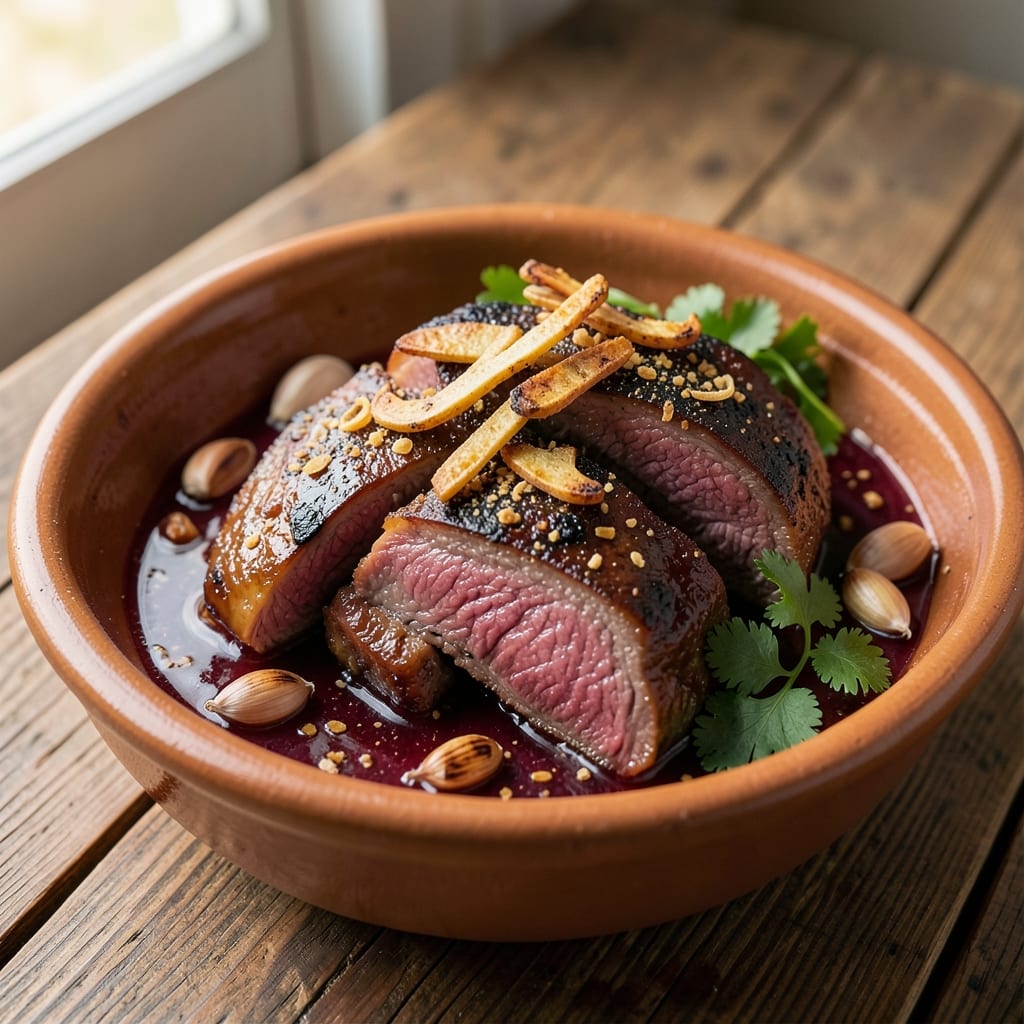
This Asian beef shin recipe transforms tough cuts into melt-in-your-mouth perfection through slow braising—a technique that unlocks deep umami and silky texture. The key lies in marinating the shin overnight, allowing the spices and aromatics to penetrate deeply, while the slow cook transforms connective tissue into velvety richness. What starts as a humble cut becomes a restaurant-worthy dish with layers of savory, slightly sweet, and aromatic complexity.
The process begins with a 30-minute marinade of soy sauce, garlic, ginger, and five-spice powder, followed by a 3-4 hour braise in a flavorful broth until the meat falls apart effortlessly. This method ensures every bite delivers that signature tender-yet-firm texture, while the surface develops a caramelized crust from the slow reduction. The result is a dish that balances hearty satisfaction with delicate seasoning—a perfect centerpiece for any Asian-inspired meal.
Pair this dish with steamed jasmine rice to soak up the luscious braising liquid, or serve it over noodles for a comforting bowl. For extra depth, add a side of quick-pickled vegetables or a simple stir-fry of seasonal greens. The beauty of this recipe lies in its versatility—adjust the marinade with chili paste for heat, or add a touch of honey for sweetness, depending on your preference.
What makes this recipe truly special is how it elevates an often-overlooked cut into something extraordinary. The slow braising process not only tenderizes the meat but also infuses it with layers of flavor that build with each bite. Whether you're cooking for a family gathering or a weeknight dinner, this dish delivers restaurant-quality results with minimal effort. Let’s get started on creating a meal that will leave everyone asking for seconds.
Ingredients for asian beef shin
These carefully selected ingredients transform tough beef shin into restaurant-quality melt-in-your-mouth perfection.
| Ingredient | Amount | Notes |
|---|---|---|
| Beef Shin 🥩 | 2 lb | Bone-in, cut into 2-inch pieces |
| Soy Sauce 🍶 | ½ cup | High-quality, preferably Japanese |
| Garlic Cloves 🧄 | 8 cloves | Minced, fresh preferred |
| Fresh Ginger 🌿 | 2 tbsp | Grated, peeled |
| Five-Spice Powder 🌶️ | 1 tbsp | Authentic Chinese blend |
| Brown Sugar 🍯 | 2 tbsp | Light or dark, packed |
| Sesame Oil 🫒 | 1 tbsp | Toasted, for aroma |
| Star Anise 🌟 | 2 whole | Lightly crushed |
| Cinnamon Sticks 🌿 | 2 whole | 2-inch pieces |
| Bay Leaves 🍃 | 2 whole | Fresh preferred |
| Green Onions 🧅 | 3 whole | Sliced, white and green parts |
| Water 💧 | 3 cups | Filtered for clarity |
| Cornstarch 🌾 | 1 tbsp | For thickening |
| Vegetable Oil 🫒 | 1 tbsp | High smoke point |
| Salt 🧂 | 1 ½ tsp | Diamond Crystal preferred |
The beef shin is the star—look for bone-in cuts at your butcher or specialty market like Whole Foods or H Mart. Marbling matters here, so avoid overly lean pieces. If buying pre-cut, ensure uniform 2-inch chunks for even cooking. The soy sauce should be Japanese-style (like Kikkoman or Hondashi) for deeper umami. Fresh ginger and garlic are non-negotiable; pre-minced versions lack the punch. For the five-spice powder, Penzeys or Asian markets carry authentic blends—avoid the generic grocery store versions.
No star anise? 1 tsp ground cinnamon works in a pinch, but the whole spice adds complexity. Running short on brown sugar? Honey or maple syrup at half the amount keeps the sweetness balanced. The sesame oil should be toasted—skip the cheap, flavorless varieties. For the green onions, white parts only in the braise, reserving greens for garnish. The cornstarch is crucial for that signature silky sauce; arrowroot powder can substitute at equal measure. If your vegetable oil smells rancid, replace it—Avocado oil is a great high-smoke-point alternative.
Store raw beef shin in the coldest part of your fridge, used within 2 days. The marinade keeps for 3 days in an airtight container. For the braised shin, reheats beautifully—simmer the leftovers with a splash of water for 2-3 minutes to restore moisture. The dish freezes for up to 3 months (sauce separate from meat). Portion into single-serving containers for easy lunches—just thaw and reheat. The sauce thickens as it cools, so thin with water if needed before serving.
Why You'll Love This Recipe
- One-Pot Magic: I swear by this recipe—just toss everything in a deep pot, simmer, and walk away. The five-spice powder and ginger do all the heavy lifting while you sip tea or scroll through your phone. No fancy techniques, no stress.
- Flavor Bomb: That crispy, caramelized crust on the shin? Chef’s kiss. The garlic and ginger sear into the meat, while the soy sauce and five-spice powder create this deep, savory-sweet balance that sticks with you. It’s the kind of dish that makes people ask, “What’s in this?”
- Lunchbox Hero: Between us, this is my go-to for meal prep. The beef stays tender for days, so I portion it into rice bowls or wraps—perfect for work lunches or post-gym fuel. Even my picky-eating partner grabs seconds when he thinks I’m not looking.
- Budget Win: Beef shin is the unsung hero of affordable proteins, and this recipe stretches it further than you’d think. A single pot feeds four for under $15, and leftovers reheat like a dream. Honestly, it’s the kind of meal that makes grocery day feel like a victory.
Step-by-step instructions for slow-braised Asian beef shin
Transform tough beef shin into melt-in-your-mouth perfection through precise technique and aromatic layering.
Sear the Beef Shin for Deep Flavor
Heat the 1 tablespoon vegetable oil in a heavy Dutch oven over medium-high heat until shimmering. Working in batches if needed, add the 2 lb beef shin cut into 2-inch pieces, searing each side for 3-4 minutes until developing a deep mahogany crust. This initial sear locks in juices and builds the umami foundation.
I press down gently on the beef shin during the first minute—this prevents it from curling and ensures even contact with the pan. Don't crowd the pot or the temperature will drop, compromising that crucial crust. Transfer the seared beef to a plate and set aside temporarily.
Build the Aromatic Base
In the same Dutch oven, add the 8 cloves minced garlic cloves and 2 tablespoons grated fresh ginger, cooking for 1 minute until fragrant and just beginning to color. Add the 1 tablespoon five-spice powder, stirring constantly for 30 seconds to toast the spices and release their essential oils.
Here's where the magic happens: Add the 2 whole lightly crushed star anise, 2 whole 2-inch cinnamon sticks, and 2 whole bay leaves. These whole spices will infuse the braise with complex, layered aromas. Pour in the 0.5 cup soy sauce and 2 tablespoons packed brown sugar, scraping up any browned bits from the bottom of the pot with a wooden spoon.
Braise with Precision
Return the seared beef to the pot. Add the 3 cups water, bring to a simmer over medium heat, then immediately reduce to low heat. The liquid should barely bubble—this gentle simmer is crucial for tenderizing the connective tissue without toughening the meat.
Cover the pot and maintain this low simmer for 2.5 to 3 hours, checking occasionally to ensure the liquid doesn't reduce too quickly. You'll know it's working when the beef becomes fork-tender and pulls away from the bone with minimal resistance. If the liquid reduces too much, add hot water 1 tablespoon at a time to maintain coverage.
Thicken and Finish
Once the beef is tender, remove it from the braising liquid and set aside. In a small bowl, whisk together the 1 tablespoon cornstarch with 2 tablespoons of the braising liquid until smooth. Return this slurry to the pot and bring to a gentle simmer over medium heat, stirring constantly for 2-3 minutes until the sauce thickens to a glossy consistency.
Return the beef to the pot and stir in the 1 tablespoon toasted sesame oil and 1.5 teaspoons salt. The sesame oil should bloom with aroma immediately—this is your signal that the flavors have fully integrated. Stir in the 3 whole sliced green onions, reserving the green parts for garnish.
Rest and Serve
Let the beef shin rest in the sauce for 10 minutes before serving. This resting period allows the fibers to relax and redistribute juices throughout each piece. Serve the beef with its rich braising sauce ladled over the top, garnished with the reserved green onion tops for fresh contrast.
The finished dish should have tender, silky beef that falls apart easily, coated in a glossy sauce that balances sweet, salty, and aromatic notes. Each bite should deliver that perfect harmony of textures and flavors that makes this braise so rewarding.
Pro Tips For Making Asian Beef Shin
- Blanch First, Braise Long: Toss your beef shin in boiling water for 10 minutes before braising—it’s the only way to cut that gamey, connective-tissue bitterness. I learned this the hard way after serving a batch that tasted like leather. Use a big pot and don’t skimp on the salt in the water (1 tbsp per gallon).
- Slice Ginger Thinly: Forget the thick chunks—shave that ginger paper-thin with a mandoline or sharp knife. It melts into the sauce evenly and adds bright, aromatic depth without turning the dish into a ginger swamp. (Yes, even if you’re impatient like me.)
- Low and Slow Wins: After searing, drop the heat to 275°F (135°C) and let it cook for at least 3 hours, covered. I’ve seen people rush this and end up with chewy, underwhelming shin. A meat thermometer at 195°F (90°C) is your friend—don’t guess.
- Toast the Five-Spice: Dry-toast the five-spice powder in a small pan for 30 seconds until fragrant before adding it to the sauce. It makes a real difference—skip this, and you’re just sprinkling powder instead of waking up those star anise and clove notes. (Pro tip: Smell it after toasting. If it doesn’t smell like a spice cabinet exploded, do it again.)
Make-ahead tips for this dish
Marinade Prep
Start your make-ahead prep by marinating the beef shin overnight in the fridge. Combine 0.25 cup soy sauce, 1 tbsp five-spice powder, 1 tbsp grated ginger, 1 tbsp minced garlic, and 1 tbsp brown sugar in a resealable bag or airtight container. This jumpstarts the flavor infusion and tenderizes the meat ahead of time. 🌿
Partial Braising
For a truly hands-off approach, braise the beef shin partially before completing the cook. After searing, add all ingredients except cornstarch and sesame oil to a slow cooker, then cook on low for 4 hours. The meat will be tender but not fully cooked—finish with a quick 30-minute simmer on the stovetop later to develop the sauce. This method saves energy and gives you flexibility.
Sauce Separation
Make the sauce ahead of time by simmering all braising ingredients (except meat) for 1 hour to develop deep flavors. Strain through a fine-mesh sieve, then chill the sauce in an airtight container. When ready to serve, reheat the sauce separately and add the pre-cooked beef shin—this keeps the meat from getting soggy. Store sauce for up to 3 days in the fridge or 3 months frozen.
Freezer-Friendly
Freeze the fully cooked beef shin with sauce in single-serving portions for easy lunches. Use heavy-duty freezer bags, removing excess air to prevent freezer burn. Thaw overnight in the fridge, then reheat in a skillet with a splash of water for 5-7 minutes until heated through. The texture remains silky when reheated properly. ❄️
Make-Ahead Sides
Prep sides in advance to create a complete meal. Cook jasmine rice and store in an airtight container for up to 4 days. Quick-pickle vegetables (like cucumbers and carrots) in rice vinegar, sugar, and salt—these keep for 1 week in the fridge. Stir-fried greens can be blanched and stored separately, then quickly wilted when serving.
Reheating Perfection
To revive leftovers, place the beef shin and sauce in a Dutch oven and simmer on low heat for 10-15 minutes. Add 1-2 tbsp water if the sauce thickens too much. For microwave reheating, cover with a damp paper towel and heat in 1-minute intervals until steaming hot. Always stir gently to redistribute juices evenly. 🔥
Nutrition facts
Frequently asked questions
Can I substitute beef shin with another cut?
While beef shin is ideal for its rich flavor and texture, you can use beef chuck roast or brisket as substitutes. Cut these into 2-inch cubes and adjust cooking time to 2-2.5 hours instead of 3. Avoid leaner cuts like sirloin—they won't develop the same tender, silky texture. For a similar experience, pork shoulder works too, but reduce cooking time to 1.5-2 hours.
How do I know when the beef shin is fully tender?
The beef shin is done when it's fork-tender and pulls away from the bone with minimal resistance. Insert a fork into the thickest piece—if it slides in easily and the meat flakes apart, it's ready. Another test: The braising liquid should reduce enough to coat the back of a spoon but not be overly thick. If the meat feels slightly firm, continue cooking for 30 more minutes.
Can I make this dish in an Instant Pot?
Yes! Sear the beef shin first, then add all ingredients except cornstarch and sesame oil. Cook on high pressure for 60 minutes, then quick-release the pressure. Finish by adding the cornstarch slurry and simmering for 2-3 minutes to thicken the sauce. The Instant Pot reduces cooking time to about 1.5 hours total, but the texture will be slightly different—more fork-tender than fall-apart.
What if my sauce is too thin or too thick?
If the sauce is too thin, whisk 1 tbsp cornstarch with 2 tbsp water and stir it into the simmering pot. For a thicker sauce, simmer uncovered for 5-10 minutes to reduce it further. If it's too thick, add 1-2 tbsp hot water or broth to loosen it. The goal is a glossy, coatable consistency—not watery, but not glue-like either.
How can I add spice to this recipe?
For heat, add 1 tbsp chili paste (like sambal oelek) or 1 tsp red pepper flakes to the marinade. For smoky depth, include 1 tsp smoked paprika in the spice blend. If you prefer a balanced spicy-sweet profile, increase the brown sugar to 3 tbsp and add 1 tsp gochujang (Korean chili paste) to the braising liquid. Always taste as you go!