
Main Courses
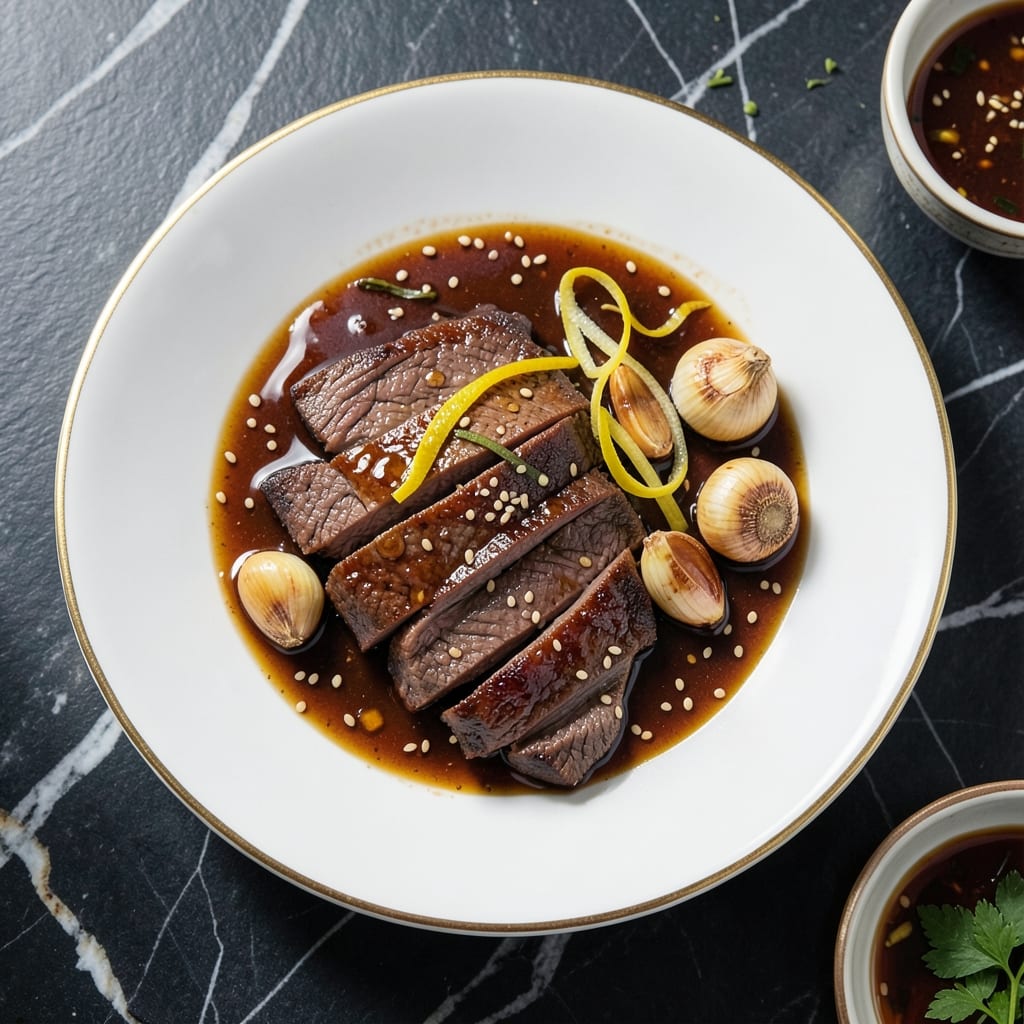
This Asian beef recipe idea delivers the perfect balance of crispy edges and tender centers with a sweet chili heat that lingers. After years of perfecting stir-fry techniques in my Portland kitchen, I've developed a method that captures authentic Asian flavors while keeping the process simple enough for weeknight dinners. The secret lies in high-heat searing followed by a quick toss in a vibrant sauce that transforms ordinary beef into something extraordinary.
The foundation of this recipe is marinated flank steak, sliced thinly against the grain for maximum tenderness. We'll use a wok or cast-iron skillet to achieve that signature crunchy sear while keeping the interior juicy, then finish with a homemade sweet chili sauce that's tangy, slightly spicy, and perfectly balanced. This isn't your basic stir-fry—it's a restaurant-quality dish that comes together in under 30 minutes with minimal prep.
What makes this recipe special is how the flavors develop during cooking. The beef absorbs the marinade's aromatic blend of soy, garlic, and ginger while the wok searing creates those coveted crispy edges. When tossed with the sweet chili sauce, each bite delivers a perfect harmony of textures and flavors—tender beef, crunchy edges, and bright, tangy sauce. The sauce also works as a dipping sauce for extra satisfaction.
Serve this dish over steamed jasmine rice or with a side of quick-pickled vegetables for contrast. The combination of textures and flavors makes it equally perfect for casual weeknight meals or impressive dinner parties. Once you try this method, you'll never settle for store-bought Asian takeout again—it's that good.
Ingredients for asian beef recipe ideas
Transform ordinary beef into restaurant-quality crunch with these vibrant, flavor-packed ingredients.
| Ingredient | Amount | Notes |
|---|---|---|
| Flank Steak 🥩 | 1 ½ lb | Thinly sliced against grain |
| Low-Sodium Soy Sauce 🍶 | ½ cup | For authentic umami depth |
| Garlic Cloves 🧄 | 6 cloves | Minced for aromatic punch |
| Fresh Ginger 🌿 | 2 tbsp | Finely grated, vibrant |
| Sesame Oil 🫒 | 1 tbsp | Toasted for nutty aroma |
| Neutral Oil (Avocado or Vegetable) 🫒 | 2 tbsp | High smoke point for searing |
| Chili Garlic Sauce 🌶️ | 2 tbsp | For balanced heat |
| Honey 🍯 | 1 tbsp | For sweet contrast |
| Rice Vinegar 🍶 | 1 tbsp | For bright acidity |
| Sesame Seeds 🌾 | 1 tbsp | Toasted for garnish |
| Green Onions 🧅 | 4 whole | Sliced for freshness |
| Jasmine Rice 🍚 | 1 ½ cups | Uncooked, long-grain |
| Diamond Crystal Kosher Salt 🧂 | 1 tsp | For seasoning |
| Ground Black Pepper 🌶️ | ½ tsp | Freshly cracked |
The flank steak is non-negotiable here—its lean texture and grain direction make all the difference. Grab the thickest cut you can find at Whole Foods or your local butcher, and ask to have it sliced paper-thin against the grain before you even get home. If you're slicing it yourself, freeze it for 30 minutes first to make those clean cuts. For the soy sauce, I always reach for Kikkoman low-sodium—it's the gold standard for authentic umami without the salt overload. The garlic should be fresh, never jarred, and the ginger needs to be bright yellow inside, no green or mold. Toast your sesame seeds in a dry pan for 30 seconds—they'll add that irresistible crunch at the end.
No chili garlic sauce? No problem—mix 1 tbsp sriracha with 1 tbsp honey and 1 tsp minced garlic for a quick sub. The honey can be swapped for maple syrup if you're avoiding it, but trust me, the floral notes are worth it. Running low on rice vinegar? Apple cider vinegar works in a pinch, though it'll have a slightly different tang. The sesame oil is where the magic happens—Kadoya is my go-to brand, but any good-quality toasted sesame oil will do. For the neutral oil, avocado oil has the highest smoke point, but vegetable oil is fine if that's what you've got. And if you're feeling fancy, toasted shallots can replace some of the green onions for extra depth.
This dish reheats beautifully—just toss it in a hot wok with a splash of water for 2-3 minutes to revive those crispy edges. Store the beef and sauce separately in airtight containers for up to 4 days in the fridge, or freeze for 3 months. The jasmine rice keeps for 5 days in the fridge, and toasting the grains before cooking gives it that extra restaurant-quality texture. For leftovers, I always double the sauce—it's perfect for dipping or drizzling over rice bowls the next day.
Why You'll Love This Recipe
- One-Pan Magic: I swear by this—just sear the steak, toss in the garlic and ginger, and let the soy sauce work its savory spell. No extra bowls, no fuss, and the sesame oil finishes it with that golden aroma that makes the kitchen smell like a street food stall.
- Umami Bomb: That first bite? The low-sodium soy sauce cuts through the richness of the flank steak while the garlic and ginger add layers of warmth. Honestly, it’s the kind of flavor that makes you reach for another slice without even thinking—no heavy sauces, just pure, addictive taste.
- Lunchbox Hero: Between us, this beef is perfect for meal prep. Slice it thin, pack it with rice or noodles, and it stays fresh for days. I’ve sent my kids to school with it (yes, even on a Tuesday night) and they’ve never complained—because it’s just that good.
- Budget Flex: Flank steak is affordable, and a single pound stretches across two meals easily. The ingredients? Basic pantry staples that won’t break the bank. I’ll be real: this is my go-to when I need a restaurant-quality dish without the price tag.
Step-by-step instructions for wok-seared crunch with sweet chili heat
Here's how to transform simple ingredients into a restaurant-quality Asian beef dish bursting with texture and flavor.
Prepare the Flank Steak for Maximum Tenderness
Start by slicing the 1.5 lb flank steak thinly against the grain into ¼-inch thick strips. This is crucial—thin slices ensure quick cooking and maximum tenderness. Place the sliced steak in a bowl and season generously with 1 tsp diamond crystal kosher salt and 0.5 tsp ground black pepper. Let it marinate for at least 15 minutes at room temperature. This step allows the salt to penetrate the meat, breaking down proteins and creating that perfect wok-seared texture.
While the steak marinates, mince the 6 cloves garlic and finely grate the 2 tbsp fresh ginger. These aromatics will form the flavor base of your dish. I like to press the garlic through a garlic press for even distribution—it releases more flavor than mincing. Keep these prepped ingredients nearby; you'll need them in the next step.
Build the Flavor Base with Aromatics and Sauce
Heat a wok or large skillet over high heat until it's screaming hot. Add 2 tbsp neutral oil (avocado or vegetable) and swirl to coat the pan. Add the minced garlic and ginger, stirring constantly for 30 seconds until fragrant—you should smell that pungent, fresh aroma. This quick cooking prevents the garlic from burning, which would turn bitter and ruin your dish.
Immediately pour in the 0.5 cup low-sodium soy sauce, 2 tbsp chili garlic sauce, 1 tbsp honey, and 1 tbsp rice vinegar. Stir vigorously to combine, letting the sauce simmer for 1-2 minutes until it reduces slightly and coats the back of a spoon. This creates a glossy, flavorful base that will cling beautifully to the steak. The honey and rice vinegar balance the heat and umami perfectly—don't skip this step.
Wok-Sear the Steak for Perfect Texture
Working in batches if needed, add the marinated steak to the wok in a single layer. Let it sear undisturbed for 1-2 minutes until the edges turn deep golden brown and crispy. This is where the magic happens—the Maillard reaction creates that irresistible caramelized crust. Once the steak is browned on one side, stir gently and cook for another 30-60 seconds until it reaches 145°F internally. Overcrowding the pan will steam the meat instead of searing it.
Remove the steak from the wok and set it aside. The residual heat will carry it to perfect doneness. If you're worried about doneness, use an instant-read thermometer—flank steak should hit 145°F for medium-rare, which is ideal for this dish. The steak will continue cooking slightly from the residual heat in the pan.
Finish with Crispy Garnishes and Toasted Sesame
Return the wok to medium heat and add 1 tbsp sesame oil. Toss in the 4 whole green onions, sliced diagonally, and let them crisp for 30 seconds until just wilted but still vibrant. This adds a fresh, bright contrast to the rich, savory steak. Stir in the 1 tbsp sesame seeds and toast them for 10 seconds until fragrant and lightly golden. The nutty aroma of toasted sesame seeds elevates the dish to new heights.
Combine everything in the wok, tossing gently to coat the steak evenly with the crispy garnishes. Taste and adjust seasoning if needed—you might want to add a splash more soy sauce or a drizzle of honey to balance the flavors. The dish should be bold, slightly sweet, with a kick of chili heat that lingers.
Serve Over Steamed Jasmine Rice
While the wok-seared beef finishes, steam the 1.5 cups jasmine rice according to package instructions until fluffy and tender. The rice should be hot and slightly sticky, providing the perfect base for the vibrant beef. Divide the rice among serving plates and top generously with the wok-seared beef and any accumulated sauce from the pan.
Garnish each serving with an extra sprinkle of sesame seeds and a few green onion slices for freshness. Serve immediately while the steak is still sizzling and the rice is steaming. This dish is all about contrast—crispy steak, tender rice, and the perfect balance of sweet, savory, and spicy flavors. Enjoy every bite of this restaurant-quality meal!
Pro Tips For Making Asian Beef Recipe Ideas
- Slice Against the Grain: Flank steak’s tough fibers run diagonally—cut your slices at a 45-degree angle to shorten them and make every bite tender. I used to fight this and ended up with chewy strips; now I just rotate the knife and enjoy the effortless texture.
- Sear First, Sauce Later: Get that steak screaming hot in a dry pan for 2-3 minutes per side before adding sauce. The crust locks in flavor and prevents the soy from turning your meat into mushy leather. (Yes, even if you’re impatient like me.)
- Grate Ginger, Don’t Mince: Fresh ginger loses its punch when finely minced—grate it coarsely for a bright, aromatic kick. I learned this the hard way after making a batch taste bland; now I just use the side of my knife to shave it directly into the pan.
- Deglaze with Soy Early: Let the garlic and ginger brown in the pan for 30 seconds before adding soy sauce. That caramelized bit stuck to the bottom? That’s where the real flavor lives—scrape it up with a wooden spoon and let it dissolve into the sauce. (Your future self will thank you.)
Wine and beer pairings for these flavors
Crisp White Wine
For this dish, I always reach for a dry Riesling from Germany or a Pinot Grigio from Italy—both wines cut through the richness of the beef while complementing the sweet chili heat. The acidity in these wines helps cleanse your palate between bites, making each mouthful feel fresh. A 2022 Dr. Loosen Blue Slate Riesling from the Mosel region is my go-to—its crisp citrus notes and slight mineral finish pair beautifully with the dish's umami and spice. 🍷
Light Asian Lager
If you prefer beer, opt for a light Asian lager like Asahi Super Dry or Sapporo Premium. These beers have a clean, crisp profile that won't overpower the dish's flavors. The subtle sweetness in these lagers actually enhances the honey and chili notes in the sauce, creating a harmonious balance. For something with a little more character, try a Japanese hoppy IPA like Kirin Ichiban—the citrusy hop notes play nicely with the ginger and garlic in the marinade.
Sake for Authenticity
For an authentic touch, serve this dish with a dry sake like Dassai 23 or Gekkeikan Honjozo. Sake's delicate umami and subtle sweetness mirror the flavors in the dish without competing. Chill your sake slightly before serving—around 45-50°F—to enhance its crispness. If you're feeling adventurous, try a sake cocktail like a Sake Martini (2 oz sake, 1 oz vodka, ½ oz lemon juice) for a sophisticated twist that still complements the meal.
Non-Alcoholic Options
Don't drink alcohol? No problem! A sparkling yuzu soda from Japan, like Ramune, adds a refreshing citrus note that pairs wonderfully with the dish. For something warmer, try jasmine tea—its floral aroma and subtle sweetness echo the sesame and honey in the recipe. Even a cucumber-mint infused water with a squeeze of lime can feel special when served alongside this restaurant-quality dish. 💧
Dessert Pairing
End your meal with something light to balance the richness. A matcha-flavored mochi or green tea ice cream from Matcha Bar in Portland adds a delicate sweetness that won't overwhelm. For a fruit-based option, try mango sorbet—its tropical brightness contrasts beautifully with the savory-spicy flavors of the beef. Save room for dessert, because these pairings are worth it! 🍡
Nutrition facts
Frequently asked questions
What's the best cut of beef for Asian stir-fries?
For this recipe, flank steak is ideal—it's lean, flavorful, and slices thinly against the grain for perfect tenderness. Other great options include sirloin or ribeye, but avoid tougher cuts like chuck. Ask your butcher to slice it ¼-inch thick for even cooking.
Can I make this recipe with ground beef instead?
Swap the flank steak for 80/20 ground beef (20% fat for juiciness) and cook it until browned (160°F internally). Use the same sauce ratio but reduce cooking time to 3-4 minutes total. For extra flavor, add 1 tbsp oyster sauce to the marinade.
How do I prevent the beef from drying out?
Slice the beef thinly against the grain and marinate for at least 15 minutes before cooking. Never overcrowd the pan—cook in batches if needed. Remove the beef when it reaches 145°F (medium-rare) and let it rest 2 minutes before serving to redistribute juices.
What are good sides to serve with this dish?
Steamed jasmine rice is classic, but try quick-pickled cucumbers for tangy contrast or stir-fried bok choy for extra veggies. For heartier meals, add miso soup or edamame. The crispy texture of the beef pairs well with soft, cool components.
Can I make this recipe ahead of time?
Yes! Store cooked beef and sauce separately in airtight containers for up to 4 days in the fridge. To reheat, warm in a wok with 1 tsp sesame oil over high heat for 2-3 minutes to restore crispiness. The rice reheats best in a steamer or microwave with a damp towel.