
Soups & Stews
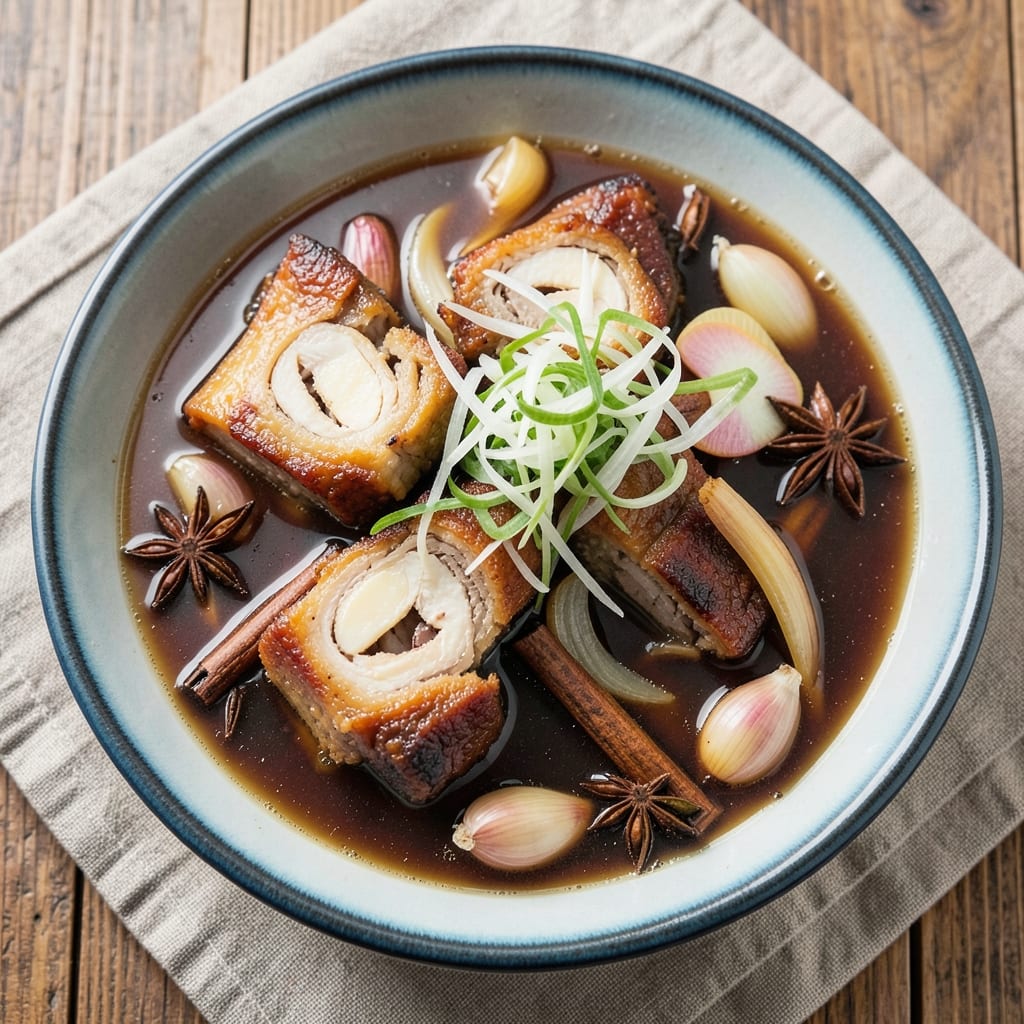
This Asian beef bone soup recipe delivers deep, collagen-rich broth that transforms tough cuts into melt-in-your-mouth perfection. The slow-simmering process extracts maximum flavor from beef bones, creating a velvety foundation that's both comforting and nutrient-packed. What sets this version apart is the balance of traditional techniques with modern convenience—no need for specialized equipment, just patience and proper layering of aromatics.
The secret to achieving that signature clarity and richness lies in the preparation: roasting the bones first to develop deep caramelization, then simmering them for hours with ginger, garlic, and star anise. This method builds complex flavors while preserving the broth's natural gelatinous quality. The result is a soup that's equally satisfying as a light meal or hearty dinner, with options to customize based on regional preferences—think Korean galbi tang spiciness or Chinese five-spice warmth.
What you'll end up with is a bowl of soup that's not just nourishing but deeply flavorful—each spoonful packed with tender beef, silky broth, and aromatic vegetables. The collagen-rich broth makes it especially comforting in colder months, while the technique ensures maximum flavor extraction from every ingredient. This is the kind of soup that becomes a family staple, served steaming hot with rice or fresh herbs on the side.
Whether you're preparing for a special occasion or simply craving a comforting meal, this recipe delivers restaurant-quality results at home. The slow cooking process means you can prepare it ahead and let the flavors develop even more overnight. Perfect for feeding a crowd or meal prepping for the week ahead.
Ingredients for asian beef bone soup
Six pounds of beef bones and aromatic vegetables create a collagen-rich foundation for this restaurant-quality soup.
| Ingredient | Amount | Notes |
|---|---|---|
| Beef Bones (marrow and knuckle) 🦴 | 4 lb | Roasted first for deep flavor |
| Yellow Onions 🧅 | 2 whole | Cut into quarters, charred slightly |
| Fresh Ginger 🌿 | ½ cup | Thinly sliced, skin removed |
| Garlic Cloves 🧄 | 8 cloves | Smashed, skin left on |
| Star Anise Pods 🌟 | 4 whole | Whole pods for infusion |
| Cinnamon Sticks 🌳 | 2 whole | For aromatic depth |
| Dried Bay Leaves 🍃 | 4 whole | Standard supermarket quality |
| Dried Shiitake Mushrooms 🍄 | 8 whole | Rehydrated for umami |
| Carrots 🥕 | 4 whole | Cut into 2-inch chunks |
| Celery Stalks 🌿 | 4 whole | Cut into 3-inch pieces |
| Daikon Radish 🥬 | 1 lb | Cut into 1-inch slices |
| Soy Sauce 🍶 | ¼ cup | Dark soy preferred |
| Rice Vinegar 🍶 | 0.1 cup | For subtle acidity |
| Sesame Oil 🫒 | 1 tbsp | Toasted sesame preferred |
| Salt 🧂 | 1 ½ tsp | Diamond Crystal preferred |
| White Peppercorns 🌶️ | 1 tsp | Freshly cracked |
| Green Onions 🧅 | ¼ cup | Sliced, for garnish |
| Fresh Cilantro 🌿 | ¼ cup | Chopped, for garnish |
The bones are the heart of this soup—marrow and knuckle bones deliver the most gelatin and flavor. Ask your butcher for a mix if they don't carry them pre-cut. Roasting them first (450°F for 30 minutes) develops deep caramelization that infuses the broth. For the aromatics, Penzeys Spices carries excellent whole spices, but standard grocery store brands work fine. Fresh ginger should be firm with no soft spots, and shiitake mushrooms should be plump, not shriveled. The daikon radish adds subtle sweetness—substitute additional carrots if unavailable.
No dark soy sauce? Regular soy sauce plus 1 tsp molasses mimics the deeper color. Running short on sesame oil? Toast regular sesame seeds and grind them with 1 tbsp neutral oil. The star anise and cinnamon sticks can be removed after 2 hours of simmering to prevent bitterness. For a spicier version, add 1 tbsp gochugaru (Korean chili flakes) at the end. The celery and carrots should be cut into similar sizes to cook evenly—aim for 2-inch chunks. If using frozen shiitake, soak them in hot water for 20 minutes before adding.
This soup tastes even better the next day as flavors meld. Store in airtight containers for up to 5 days in the fridge or 3 months frozen. For meal prep, portion into individual containers with rice and herbs on top. The broth freezes beautifully—simply reheat and add fresh garnishes. If you have leftover bones after simmering, crush them and use as a flavorful garnish or in future broths. The vegetables can be prepped ahead and refrigerated for 3 days before cooking.
Why You'll Love This Recipe
- Fewer Chores, More Soup: Honestly, the bones do most of the work—just brown them in a pot, add water, and let them simmer. No chopping mountains of veggies, no last-minute ingredient hunts. That star anise? Toss it in whole, fish it out later. Boom. Done.
- Umami Bomb: The marrow bones melt into rich, velvety pools while the knuckles add deep, savory depth. Between the crispy onion caramelization and that fresh ginger-garlic punch? Every spoonful tastes like a hug from a street food stall in Taipei.
- Weeknight Wonder: This soup doubles as dinner for two or a crowd—just adjust the water. I’ve served it at potlucks (it’s the one people ask for seconds of) and as a lazy Sunday brunch with rice. The leftovers? Even better the next day, if you can wait that long.
- Budget Backbone: Beef bones are cheaper than steaks but pack serious flavor—no need for fancy cuts. A single batch feeds my family for days, and the bones themselves? Often sold at a fraction of the price of meat. Smart, satisfying, and my wallet’s best friend.
Step-by-step instructions for Asian beef bone soup
Transform simple ingredients into a deeply flavorful, collagen-rich soup through careful layering and slow simmering.
Roast the Beef Bones for Maximum Flavor
Preheat your oven to 450°F and place the 4 lb beef bones (marrow and knuckle) on a baking sheet. Roast for 30-40 minutes until they develop a deep golden-brown crust and smell richly caramelized. This step develops complex flavors through the Maillard reaction and removes impurities that could cloud your broth.
Turn the bones occasionally for even browning. You'll know they're ready when they're deeply colored and the marrow begins to soften slightly at the edges. Let them cool briefly before transferring to a large stockpot—this prevents steam from cooling the oven and ensures proper heat distribution.
Build the Aromatic Base with Charred Vegetables
While the bones cool, prepare the vegetables by cutting the 2 whole yellow onions into quarters and the 4 whole carrots into 2-inch chunks. Place them directly on the oven rack over the broiler for 5-7 minutes until charred in spots. This adds smoky depth to your soup that sautéing can't match.
In a separate bowl, thinly slice the 0.5 cup fresh ginger (skin removed) and smash the 8 cloves garlic (skin left on) with the flat side of your knife. Add these to the pot with the roasted bones, along with the 4 whole star anise pods, 2 whole cinnamon sticks, and 4 whole dried bay leaves. These aromatic elements will infuse the broth with warm, complex flavors.
Simmer the Broth for Collagen Extraction
Add 8 cups cold water to the stockpot with the bones and aromatics. Bring to a boil over high heat, then immediately reduce to a gentle simmer. Skim off any foam that rises to the surface during the first 15 minutes—this removes impurities for a clearer broth. Cover and simmer for 3-4 hours to extract maximum collagen and flavor from the bones.
After the initial simmering, add the 4 whole celery stalks (cut into 3-inch pieces), 1 lb daikon radish (cut into 1-inch slices), and 8 whole dried shiitake mushrooms (rehydrated in hot water for 20 minutes). These vegetables contribute umami and body to the broth while reinforcing its nutritional profile.
Season and Finish the Soup
Strain the broth through a fine-mesh sieve into a clean pot, discarding the solids. Return the broth to medium heat and add the 0.25 cup soy sauce, 0.1 cup rice vinegar, 1 tbsp sesame oil, 1.5 tsp salt, and 1 tsp freshly cracked white peppercorns. Simmer gently for 10 minutes to allow the flavors to meld.
The soup should now have a rich, amber color and a deep, aromatic scent. Taste and adjust seasoning—you may need to add a touch more salt or vinegar to balance the flavors. Keep the soup warm over low heat while you prepare the garnishes.
Serve with Fresh Garnishes
Ladle the hot broth into bowls and garnish each serving with 2 tablespoons sliced green onions and 1 tablespoon chopped fresh cilantro. The bright colors and fresh herbs provide a visual contrast to the deep broth while adding a final layer of flavor. Serve immediately with steamed rice or crusty bread to soak up the rich, collagen-packed liquid.
This soup develops even better flavors as it sits, so if you have leftovers, refrigerate and reheat gently the next day. The collagen will continue to thicken the broth, creating an even more luxurious texture. Each spoonful should deliver a perfect balance of umami, sweetness, and aromatic complexity—proof that slow cooking transforms simple ingredients into something extraordinary.
Pro Tips For Making Asian Beef Bone Soup
- Char Bones First: Toss those beef bones in a screaming-hot pot for 5-7 minutes before adding liquid—this cracks the surface and pulls out the rich marrow faster. I used to skip this, and my soup always tasted like it was missing something deep. ---
- Peel Onions Roughly: Don’t fuss over perfect onion peels—just slice off the top and bottom, then cut into wedges with the skin on. The charred edges add smoky depth, and the skin keeps them from falling apart during the long simmer. ---
- Smash Star Anise: Lightly crush the star anise pods with the flat side of a knife before dropping them in—this releases more aroma without turning your broth bitter. I learned this the hard way after a soup tasted like it was missing its soul. ---
- Skim Early, Skim Often: The first 30 minutes are critical—skim off any foam or scum that rises to the top with a fine-mesh strainer or ladle. Letting it sit turns your clear broth into a murky mess, and no one wants that. (Yes, even if you’re impatient like me.)
Flavor customization for this dish
Spicy Korean Twist
Transform your soup into a galbi tang-inspired version by adding 1 tbsp gochugaru (Korean chili flakes) and 1 tbsp gochujang (Korean fermented chili paste) during the final 10-minute simmer. For extra heat, stir in ½ cup kimchi juice after straining the broth. Garnish with thinly sliced Korean pear (½ cup) for natural sweetness that balances the spice. 🌶️
Umami Bomb Boost
Elevate the depth of flavor by adding 2 tbsp fish sauce or 1 tbsp oyster sauce during the final seasoning step. For a vegetarian-friendly version, substitute with 1 tbsp mushroom powder or 1 tsp MSG (if using). I also love adding 1 tbsp miso paste to the broth for an extra layer of savory richness—just whisk it in during the last 5 minutes of simmering.
Herbal Infusions
Incorporate fresh herbs for vibrant color and aroma. Try 1 tbsp chopped Thai basil or 1 tsp lemongrass (bruised) during the final simmer for a Southeast Asian twist. For a more traditional approach, add 2 slices of fresh galangal (if available) alongside the ginger. Remove these herbs before straining the broth to avoid bitterness. 🌿
Sweet & Tangy Balance
Brighten the soup with 1 tbsp honey or 1 tsp sugar during the final seasoning to counteract any bitterness from long simmering. For a tangy kick, add 1 tbsp rice vinegar or ½ tsp apple cider vinegar along with the soy sauce. I find that a splash of 1 tbsp pineapple juice (just before serving) adds a tropical sweetness that pairs beautifully with the savory broth.
Regional Spice Blends
Experiment with different spice blends to match regional preferences. For a Chinese-inspired version, add 1 tsp five-spice powder and ½ tsp Sichuan peppercorns (lightly toasted). For a Japanese twist, incorporate 1 tsp shichimi togarashi (Japanese seven-spice blend) and a few drops of yuzu juice for citrus brightness. Adjust quantities to taste—start small and add more if needed. ⚡
Nutrition facts
Frequently asked questions
Can I use regular beef bones instead of marrow and knuckle?
While you can use other beef bones like neck or short ribs, marrow and knuckle bones are ideal because they contain more collagen and gelatin, which create that signature silky texture. For best results, ask your butcher for a mix of marrow bones (for richness) and knuckle bones (for structure). If you can't find them, use 3 lbs marrow bones and 1 lb knuckle bones as a substitute.
How do I know when the broth is done?
The broth is ready when it develops a deep amber color and the bones can be easily separated from the meat with a spoon. For maximum collagen extraction, simmer for at least 3-4 hours, but you can extend it to 6 hours for an even richer texture. The broth should coat a spoon lightly when chilled—this indicates proper gelatin development.
Can I make this soup in a slow cooker?
Roast the bones as directed, then transfer everything (including aromatics and vegetables) to a 6-quart slow cooker. Add 8 cups water, cover, and cook on low for 8-10 hours or high for 5-6 hours. The slow cooker's gentle heat is perfect for collagen extraction. Just be sure to skim foam during the first 30 minutes of cooking.
What if my broth turns cloudy?
Cloudiness usually means impurities weren't removed properly. To fix it, strain the broth through a cheesecloth-lined sieve or use a fine-mesh skimmer to remove any remaining particles. For extra clarity, chill the broth overnight—the fat will solidify on top, and you can skim it off before reheating. Adding 1 tsp vinegar during the final simmer can also help clarify the broth.
How can I make this soup spicier?
For heat, stir in 1 tbsp gochugaru (Korean chili flakes) or ½ tsp cayenne pepper during the final 10 minutes of simmering. For smoky depth, add 1 tsp smoked paprika or a few slices of chili oil when serving. Garnish with thinly sliced jalapeños or red chili threads for visual appeal and extra kick.