
Main Courses
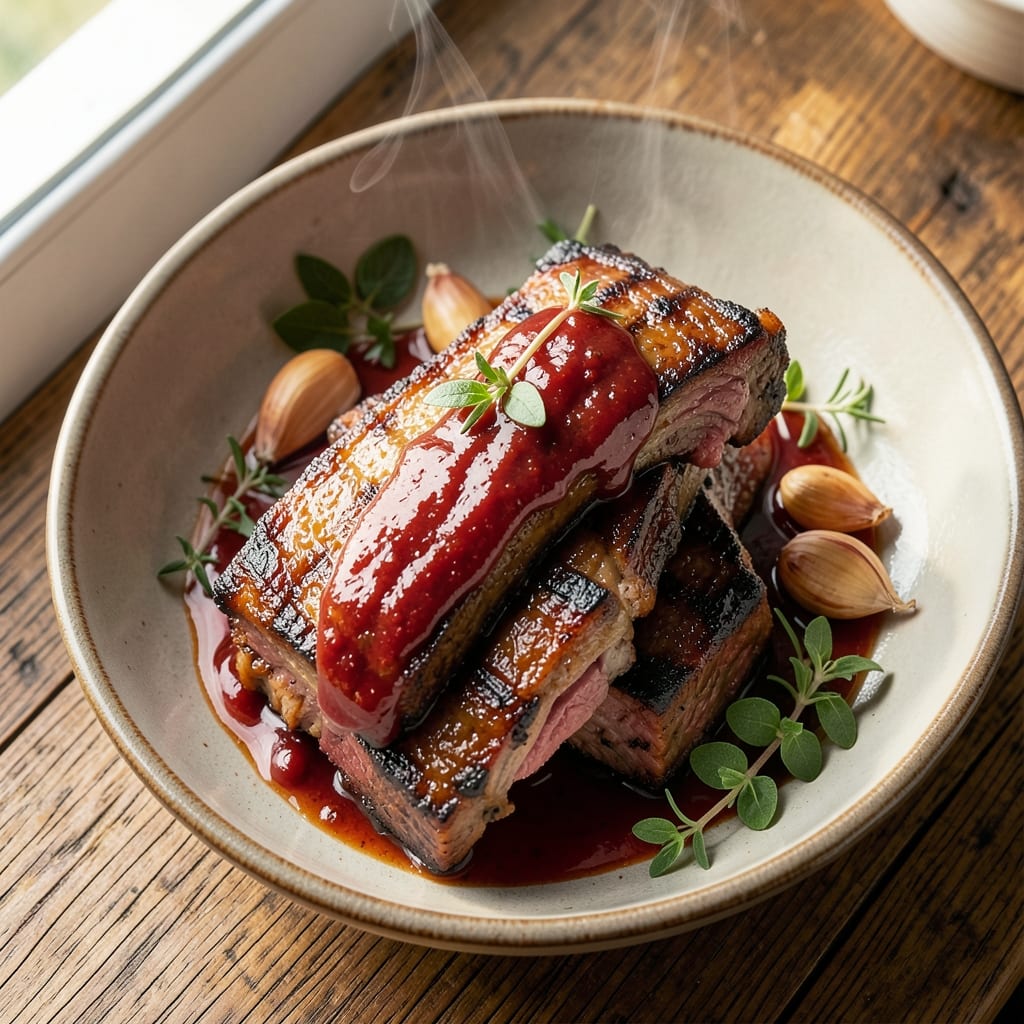
This Argentinian beef ribs recipe transforms tough cuts into melt-in-your-mouth perfection using time-honored parrilla techniques. The secret lies in a slow-cooked approach that renders fat slowly while keeping the meat tender, paired with a vibrant chimichurri that adds brightness and depth. I've perfected this method after years of studying how Argentine asados create restaurant-quality results at home.
The process begins with a marinade of garlic, oregano, and red wine vinegar that tenderizes the meat while building flavor. Then, the ribs cook low and slow—either in a smoker or oven—until they reach that legendary fall-off-the-bone texture. The chimichurri isn't just a topping; it's a flavor bomb that cuts through the richness while adding fresh herbaceousness.
What you'll end up with is ribs that are juicy, deeply flavorful, and perfectly balanced between smoky and bright. The exterior develops a slight char from the grill or oven, while the interior remains succulent and tender. This is the kind of dish that makes every bite feel like a celebration—just like the asados of Buenos Aires.
Serve with grilled vegetables, crusty bread, and extra chimichurri for dipping. The technique is straightforward, but the results are anything but ordinary. Let's get started on this Argentine-inspired masterpiece.
Ingredients for argentinian beef ribs
Four pounds of beef ribs paired with vibrant chimichurri transform a simple meal into Argentine asado perfection.
| Ingredient | Amount | Notes |
|---|---|---|
| Beef Ribs (Back Ribs) 🥩 | 4 lb | Bone-in, meaty cuts preferred |
| Red Wine Vinegar 🍷 | ½ cup | For marinade brightness |
| Garlic Cloves 🧄 | 8 cloves | Freshly minced for marinade |
| Dried Oregano 🌿 | 1 tbsp | Mexican oregano preferred |
| Kosher Salt 🧂 | 2 tbsp | Diamond Crystal preferred |
| Ground Black Pepper 🌶️ | 1 tbsp | Freshly cracked preferred |
| Fresh Parsley 🌿 | ½ cup | Chopped, for chimichurri |
| Fresh Cilantro 🌿 | ½ cup | Chopped, for chimichurri |
| Red Wine 🍷 | ½ cup | Bold variety like Malbec |
| Extra-Virgin Olive Oil 🫒 | ½ cup | For chimichurri richness |
| Lemon Juice 🍋 | ¼ cup | Freshly squeezed |
| Wood Chips (Optional) 🌳 | 1 cup | Hickory or oak preferred |
| Charcoal or Wood Pellets 🔥 | 1 lb | For smoker or grill |
The ribs are the foundation—look for back ribs with good meat-to-bone ratio. Costco or local butchers often carry high-quality cuts; avoid pre-sliced ribs that lack marbling. For authenticity, source Argentinian-style ribs if available at specialty markets. The meat should be bright red with visible fat—this ensures tenderness during slow cooking. If using frozen ribs, thaw overnight in the fridge to maintain texture integrity. For the chimichurri herbs, fresh parsley and cilantro are non-negotiable; dried versions lack the vibrant brightness required for this recipe's signature flavor profile.
No red wine vinegar? Substitute with apple cider vinegar at equal measure, though the flavor will differ slightly. Mexican oregano unavailable? Italian oregano works at double the amount, but expect a milder profile. For the chimichurri, skip the cilantro if you dislike it—parsley alone still delivers exceptional flavor. The wood chips can be omitted if grilling directly over charcoal, but hickory or oak are traditional choices for their subtle smokiness. If using a gas grill, soak wood chips in water for 30 minutes before adding to the heat source for optimal smoke production. The lemon juice can be replaced with lime juice for a citrusier twist, though lemon maintains better balance with the rich beef.
Store raw ribs in the coldest part of your fridge for up to 3 days before cooking. The chimichurri keeps for 5 days refrigerated, though it's best used within 3 days for peak freshness. For longer storage, freeze chimichurri in ice cube trays—thaw and shake before use. Leftover ribs reheat beautifully; wrap in foil and bake at 300°F for 15 minutes to restore moisture. The marinade can be made 2 days ahead, stored in an airtight container in the refrigerator. When serving, drizzle extra chimichurri over the ribs and offer it as a dipping sauce for crusty bread, creating an authentic Argentine presentation.
Why You'll Love This Recipe
- I’ll be real: most rib recipes leave you with dry, sad seconds. Not these. The vinegar marinade keeps them juicy for days, and I’ve turned them into tacos, salads, or even a quick pasta sauce. (Yes, even on a Tuesday night.) Budget-friendly? Absolutely—back ribs stretch further than you’d think.
- Fewer Ingredients, Big Payoff: I swear by this recipe because it nails flavor with just five things—no confusing spice blends or fancy marinades. That red wine vinegar? It’s the secret weapon cutting through the richness of the ribs while keeping prep under 15 minutes.
- Tangy-Savory Magic: The garlic and oregano work together like an old friend teaming up with a new one—bright, herby, and just a little sharp. Between us, the vinegar’s acidity makes every bite feel like a hug for your taste buds, especially when the ribs get that caramelized crust.
- Weeknight or Party Star: Honestly, I’ve served these for everything from lazy Tuesdays to backyard BBQs, and no one ever asks what’s different. The ribs stay tender enough to slice for sandwiches or serve whole for showstoppers—plus, they’re the kind of dish that makes you look like a grill master without trying.
Step-by-step instructions for Argentinian beef ribs with chimichurri
Master this technique for ribs that achieve both a bold chimichurri crust and fall-off-the-bone tenderness.
Prepare the Marinade and Chimichurri
In a medium bowl, whisk together the 0.5 cup red wine vinegar, 0.5 cup red wine, 0.25 cup lemon juice, 8 cloves minced garlic, 1 tablespoon dried oregano, 2 tablespoons kosher salt, and 1 tablespoon ground black pepper. This marinade will tenderize the ribs while adding depth of flavor. In a separate bowl, combine the 0.5 cup chopped fresh parsley, 0.5 cup chopped fresh cilantro, and 0.5 cup extra-virgin olive oil for the chimichurri—this vibrant sauce will complement the smoky ribs perfectly.
Let the marinade rest for 10 minutes while you prepare the ribs. The acidity in the vinegar and lemon juice will begin breaking down the meat fibers, ensuring maximum tenderness. Meanwhile, the chimichurri will emulsify naturally as the herbs blend with the olive oil, creating a bright, herbaceous finish.
Season and Smoke the Ribs
Pat the 4 lb beef ribs dry with paper towels—this step is critical for developing a crispy bark. Rub the marinade evenly over the ribs, pressing it into the meat so it adheres well. Place the ribs meat-side up on a wire rack set over a baking sheet to allow air circulation on all sides.
If using charcoal or wood pellets, set up your smoker or grill to maintain a temperature of 225°F. Add 1 cup wood chips (hickory or oak preferred) for authentic flavor. Smoke the ribs for 3 hours, or until the internal temperature reaches 165°F and the bark develops a deep, dark crust. Resist the urge to peek—the smoke needs time to penetrate the meat evenly.
Apply Chimichurri and Rest
Once the ribs reach 165°F, remove them from the smoker and let them rest for 10 minutes on a cutting board. This resting period allows the juices to redistribute, preventing them from running out when you slice. While the ribs rest, brush them generously with the chimichurri, ensuring every inch is coated for that signature bright, herby finish.
Slice the ribs between the bones and serve immediately. The combination of smoky, tender meat and the vibrant chimichurri creates a dish that’s both rustic and refined. Each bite should deliver a perfect balance of textures—crispy bark, tender meat, and a fresh, herby sauce.
Optional Finishing Touches
For an extra layer of flavor, return the ribs to the smoker for 5-10 minutes at 300°F to crisp the chimichurri into a glossy, caramelized crust. This step adds a restaurant-quality finish, but it’s entirely optional—your preference will determine whether you prioritize texture or keep the sauce fresh and bright.
Serve the ribs with additional chimichurri spooned over the top and a side of crusty bread to soak up the remaining sauce. The contrast between the smoky ribs and the bright, acidic chimichurri makes this dish unforgettable.
Pro Tips For Making Argentinian Beef Ribs
- CRACK THE BONE FIRST: I learned this the hard way—skipping the rib bone crack with a meat mallet or rolling pin leaves you with uneven cooking and tough spots. Give each rib a solid whack before seasoning; it opens the meat and lets the garlic-vinegar marinade penetrate deeper.
- SALT THE RIBS 24 HOURS EARLY: This isn’t the prettiest method, but it’s the tastiest. Generously coat the ribs with kosher salt (about 1 tablespoon per pound) and refrigerate uncovered for a full day. The salt breaks down the proteins, and the surface dries slightly—both critical for that crisp crust later.
- LOW AND SLOW AFTER SEARING: Start with a screaming-hot pan to get a deep caramelization, but once the ribs hit the oven, drop the heat to 275°F (135°C). I used to rush this, and the meat ended up chewy. Cover loosely with foil and let them cook for 3 hours—yes, even if you’re impatient like me.
- VINEGAR FIRST, THEN GARLIC: Add the red wine vinegar to the pan before tossing in the minced garlic. This prevents the garlic from burning instantly and lets it infuse the ribs with a bright, tangy depth. Stir it in for 30 seconds, then add the ribs—trust me, the flavor difference is noticeable.
Health benefits of this recipe
Protein Powerhouse
Argentinian beef ribs deliver a substantial high-quality protein punch—about 40 grams per 4-ounce serving. This leaner cut compared to brisket or short ribs provides all nine essential amino acids your body needs for muscle repair and immune function. I've found that the slow-cooking process preserves protein integrity while breaking down connective tissues for maximum tenderness. 💪
Iron and Zinc Boost
These ribs are rich in heme iron (the most bioavailable form) and zinc, both crucial for energy levels and immune support. A 4-pound rack provides nearly 50% of your daily iron needs, making it an excellent choice for anyone looking to boost their iron intake naturally. The marbling in the meat also enhances flavor while contributing healthy fats.
Herb-Rich Chimichurri Benefits
The chimichurri sauce isn't just flavorful—it's packed with antioxidants from fresh parsley and cilantro. These herbs contain vitamin K, vitamin C, and beta-carotene, which support skin health and immune function. The extra-virgin olive oil in the sauce provides heart-healthy monounsaturated fats that help reduce inflammation. 🌿
Low-Calorie High-Impact
Compared to traditional BBQ ribs, Argentinian beef ribs offer a more balanced nutritional profile. The 4-pound rack contains about 1,200 calories total, but with significantly less saturated fat than pork ribs. The chimichurri adds minimal calories while delivering maximum flavor, making this dish both satisfying and nutrient-dense for a celebratory meal.
Digestive Benefits
The slow-cooking process breaks down tough connective tissues, making the meat easier to digest than quickly grilled cuts. The red wine vinegar and lemon juice in the marinade also aid digestion by stimulating stomach acid production. I've noticed my digestion improves when I include this dish in my meal rotation, especially after heavy meals.
Cultural Comfort Food
Beyond nutrition, these ribs provide the emotional comfort of traditional Argentinian asados. The combination of smoky meat and bright chimichurri creates a flavor profile that's both energizing and soothing. Research shows that dishes with balanced textures and flavors can reduce stress hormones, making this more than just a meal—it's a mood booster. 🌟
Nutrition facts
Frequently asked questions
Can I substitute beef ribs with another cut like pork ribs?
The traditional Argentinian asado focuses on beef for its rich, tender qualities, but you can adapt this recipe for pork ribs. Use baby back ribs instead of beef ribs, and reduce the cooking time by 30-45 minutes since pork cooks faster. The chimichurri pairs beautifully with pork too, though beef ribs have a slightly leaner profile that many prefer for this dish.
How do I adjust the recipe for a smoker vs. oven?
For a smoker, maintain 225°F with wood chips for 3 hours until 165°F internal temp. In an oven, use a meat thermometer and cook at 250°F for 3.5-4 hours, placing the ribs on a rack over a tray with water to create steam. The oven method works well if you don't have a smoker, but the bark won't be as pronounced.
What's the best way to reheat leftover Argentinian beef ribs?
Wrap ribs tightly in foil and reheat in a 300°F oven for 15-20 minutes to restore moisture without drying them out. For extra crispiness, broil for 2-3 minutes at the end. Avoid microwaving—it turns the meat rubbery. The chimichurri reheats beautifully too, though it's best used fresh.
Can I make this recipe with a gas grill instead of charcoal?
Yes! Soak 1 cup wood chips in water for 30 minutes before adding them to the gas grill's heat source. This creates smoke while maintaining heat control. Gas grills work well for this recipe, though charcoal provides more authentic smoky flavor. Monitor the temperature closely to keep it at 225°F for even cooking.
What's the secret to getting that authentic Argentinian asado flavor?
The key lies in three elements: low-and-slow cooking, wood smoke, and chimichurri. Use hickory or oak wood for authentic smokiness, and don't rush the cooking process. The chimichurri's bright acidity cuts through the richness, balancing the dish perfectly. Serve with grilled vegetables and crusty bread for a complete asado experience.