
Soups & Stews
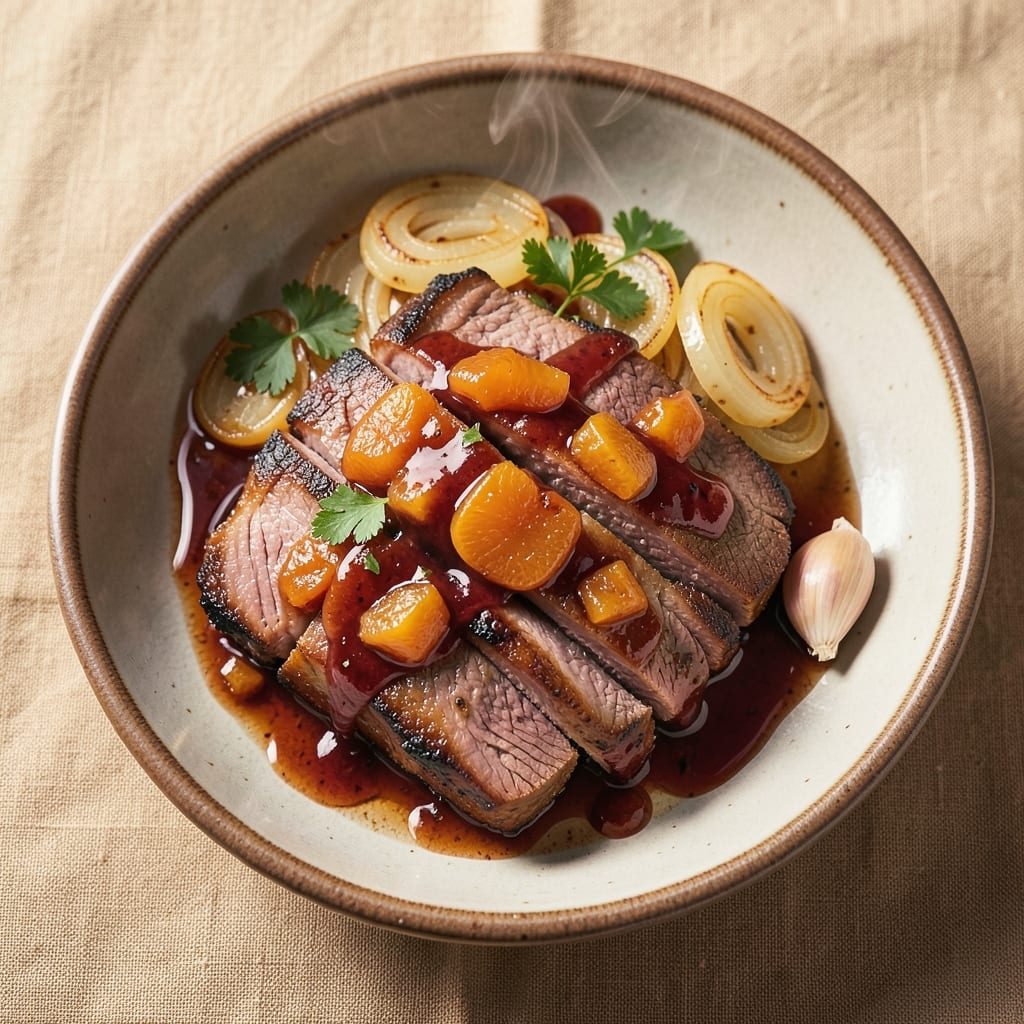
This apricot glazed corned beef recipe transforms a classic holiday centerpiece into something unexpectedly elegant—tender, shred-worthy beef kissed with a sweet-tart apricot reduction that balances the briny depth. The secret lies in slow-cooking the brisket until it falls apart, then finishing it with a glaze that caramelizes into a sticky, fruit-forward sauce. Unlike traditional mustard or beer-braised versions, this method delivers a sophisticated twist that still feels comforting and familiar.
What makes this recipe stand out is the apricot glaze, which requires just 10 minutes of simmering to reduce fresh apricots into a glossy, jammy sauce. The fruit’s natural sweetness cuts through the saltiness of the corned beef, while a splash of vinegar adds brightness—no artificial flavors needed. The process is straightforward but requires patience: a full 3-hour cook time ensures the meat is fork-tender, and the glaze develops depth. For those who prefer a quicker version, a pressure cooker cuts the time to under an hour without sacrificing texture.
By the time you serve it, you’ll have restaurant-quality corned beef that shreds effortlessly, coated in a glaze that’s sticky enough to drip but balanced enough to let the beef shine. The aroma alone—smoky, fruity, and savory—will have everyone at the table anticipating the first bite. Pair it with classic sides like sauerkraut, roasted potatoes, or crusty rye bread to complete the meal.
This recipe works equally well for St. Patrick’s Day feasts, Passover seders, or a cozy Sunday dinner—proof that a little fruit can elevate a comfort-food staple. The glaze keeps well for up to a week, so you can make it ahead and reheat it to perfection. Ready to impress? Let’s get started.
Ingredients for apricot glazed corned beef
Six pounds of brisket and a handful of fruit create restaurant-quality corned beef with elegant sweet-tart balance.
| Ingredient | Amount | Notes |
|---|---|---|
| Beef Brisket 🥩 | 4 lb | Flat-cut, 1-inch thick max |
| Fresh Apricots 🍑 | 1 ½ cups | Pitted, halved, organic preferred |
| Yellow Onion 🧅 | 1 whole | Medium, sliced into half-moons |
| Garlic Cloves 🧄 | 6 cloves | Peeled, smashed for depth |
| Red Wine Vinegar 🍷 | ¼ cup | Balsamic vinegar substitute |
| Honey 🍯 | ¼ cup | Wildflower preferred |
| Beef Broth 🥫 | 2 cups | Low-sodium preferred |
| Bay Leaves 🌿 | 2 whole | Fresh preferred |
| Black Peppercorns 🌶️ | 1 tbsp | Freshly cracked |
| Salt 🧂 | 1 ½ tbsp | Diamond Crystal kosher |
| Corned Beef Brine Packet 🧂 | 1 package | Classic corned beef spice mix |
| Unsalted Butter 🧈 | 2 tbsp | Cold, for finishing |
| Fresh Thyme 🌿 | ¼ cup | Leaves only, chopped |
| Olive Oil 🫒 | 2 tbsp | Extra-virgin, for searing |
The brisket is non-negotiable—flat-cut ensures even cooking, and 1-inch thickness guarantees tender results. Most butchers will trim it for you, but if you're buying whole, look for a piece with good marbling. Whole Foods or local butchers often carry premium cuts. For the apricots, organic makes a difference in flavor, but any ripe fruit works—just pit and halve them. The glaze relies on their natural sweetness, so avoid overly tart varieties. If fresh apricots aren't available, high-quality apricot jam (like Bonne Maman) can substitute in a pinch, though texture will differ slightly.
No red wine vinegar? Balsamic vinegar or even apple cider vinegar will work, though flavor will shift slightly. The honey should be wildflower or clover for depth—avoid the overly processed varieties. For the corned beef brine packet, Kosher House or Gourmet Garden brands are reliable. If you're making this ahead, the glaze can be reduced and stored separately for up to 1 week in the fridge. The brisket itself keeps for 4-5 days in the fridge, though it reheats best when covered in its juices.
This dish is all about patience—the brisket needs 3 hours to become fork-tender, and the glaze requires 10 minutes of active reduction. For a quicker version, a pressure cooker cuts the time to under an hour without compromising texture. The glaze thickens as it cools, so if it's too thin when reheating, simmer it uncovered for 2-3 minutes. Store leftovers in an airtight container with a thin layer of glaze on top to prevent drying. The glaze also freezes beautifully for up to 3 months, making it perfect for holiday prep.
Why You'll Love This Recipe
- One-Pot Magic: I swear by this recipe when I’m too tired to dirty more than one pan. Slice the brisket, toss it in with onions and garlic, then let the apricots and vinegar do the work—no flipping, no fuss, just hands-off richness.
- Sweet-Savory Magic: That caramelized apricot glaze cuts through the beef’s richness like a bright summer day. The red wine vinegar adds a tangy kick, while the garlic and onions build layers—it’s the kind of dish that makes you close your eyes and sigh.
- Leftovers That Shine: Between us, this recipe actually gets better the next day. The beef stays tender, and the glaze thickens into a sticky, jammy perfection. I pack it for lunches or reheat it for a lazy dinner—no one ever complains.
- Budget-Friendly Feast: A single brisket feeds my whole family, and fresh apricots (or even dried) stretch the flavor without breaking the bank. Plus, the onions and garlic are pantry staples—this is comfort food that won’t drain your wallet.
Step-by-step instructions for apricot glazed corned beef
This method transforms tough brisket into tender, sweet-tart shreds with a glossy apricot glaze.
Prepare the Brisket for Braising
Begin by trimming any excess fat from the 4 lb beef brisket, leaving about ¼-inch of fat cap for moisture during cooking. Pat the meat completely dry with paper towels—this ensures maximum browning and flavor development. In a small bowl, combine the 1.5 tbsp salt, 1 tbsp black peppercorns, and contents of the 1 package corned beef brine packet. Rub this mixture evenly over all sides of the brisket, pressing it into the meat so it adheres well.
Place the seasoned brisket in a large roasting pan and let it sit at room temperature for 30 minutes before cooking. This step allows the meat to cook more evenly and prevents shocking the center with cold liquid. While the brisket comes to temperature, peel and halve the 1.5 cups fresh apricots, removing pits as you go. Slice the 1 whole yellow onion into half-moons and smash the 6 cloves garlic with the flat side of your knife to release their aromatic oils.
Sear the Brisket for Depth of Flavor
Heat a large Dutch oven or heavy pot over medium-high heat until hot. Add the 2 tbsp olive oil and let it shimmer for 1 minute. Carefully place the brisket fat-side down in the pot and sear undisturbed for 8-10 minutes until it develops a deep golden-brown crust. Flip the brisket and sear the other side for another 6-8 minutes. The goal is to create a flavorful crust that will later dissolve into the braising liquid.
Remove the brisket from the pot and set it aside. In the same pot, add the sliced onions and cook for 3-4 minutes until softened and slightly caramelized. Add the smashed garlic cloves and cook for 30 seconds until fragrant—but don't let them burn. This quick sauté builds a flavorful base for the braising liquid.
Braise with Apricot and Herbal Infusion
Return the brisket to the pot, fat-side up. Pour in the 2 cups beef broth, ensuring the meat is mostly submerged. Add the halved apricots, 2 whole bay leaves, 0.25 cup chopped fresh thyme, 0.25 cup red wine vinegar, and 0.25 cup honey. Bring the liquid to a gentle simmer over medium heat, then reduce to low heat to maintain a bare simmer. Cover the pot with a lid and let it cook for 2.5 hours.
During this time, the brisket will slowly break down into tender shreds. The apricots will soften and release their sweet-tart juices, while the vinegar and honey create a balanced glaze. Check the liquid level occasionally and add ¼ cup water if it reduces too much. The brisket is done when it shreds easily with two forks and reaches an internal temperature of 205°F at its thickest point.
Finish with Butter and Glaze
Once the brisket is tender, remove it from the pot and transfer it to a cutting board. Tent loosely with foil to keep warm. Skim any excess fat from the braising liquid, then return the pot to medium heat. Add the 2 tbsp cold unsalted butter and stir until it melts, creating a glossy finish. Taste the braising liquid and adjust the seasoning with additional salt if needed.
To serve, shred the brisket against the grain using two forks. Spoon the apricot glaze over the top and serve immediately with the reduced braising liquid spooned alongside. The result should be tender, flavorful shreds with a sweet-tart apricot glaze that clings beautifully to each bite.
Pro Tips For Making Apricot Glazed Corned Beef
- Sear the Brisket First: Don’t skip the initial sear—pat the brisket dry, then hit it with high heat in a heavy pot for 3-4 minutes per side until deep brown. I learned this the hard way: skipping this step means the apricot glaze will just sit on top instead of clinging to a flavorful crust.
- Peel and Pit Apricots: Fresh apricots are messy—peel them first by blanching in boiling water for 30 seconds, then shocking in ice. Pitting them with a small knife (not your best one) saves time and keeps the glaze from turning into a pulp. (Yes, even if you’re impatient like me.)
- Simmer Low and Slow: After adding the onions, garlic, and vinegar, reduce heat to a bare simmer—just enough to see tiny bubbles. I used to crank the heat, and the glaze would burn before the brisket cooked through. This isn’t the prettiest method, but it’s the tastiest.
- Strain the Glaze: After simmering the apricots, onions, and vinegar, strain the mixture through a fine-mesh sieve to remove skins and seeds. This makes the glaze silky smooth and prevents a gritty texture—trust me, your future self will notice.
Regional styles of apricot glazed corned beef
Irish Tradition
The Irish have long celebrated corned beef with apricot-inspired flavors, though traditionally they used dried fruits like raisins or prunes in their braising liquids. My Irish grandmother would simmer beef brisket with a splash of porter beer and dried apricots for hours, creating a deep, caramelized sauce. The key was always balancing the sweetness with Dijon mustard and a touch of black pepper—a technique you can adapt here by adding 1 tbsp mustard to the glaze if you prefer a more classic Irish profile. 🌟
Jewish Delicatessen Twist
In Jewish delis, corned beef often gets a sweet-and-sour kick from horseradish cream or apple sauce, but apricots bring a fruity depth that’s equally beloved. For a deli-style version, serve the glazed beef on rye bread with sauerkraut and a side of horseradish cream. The apricot glaze here replaces the need for heavy sauces—its natural sweetness and tang mirror the balance of traditional deli flavors without added sugar. I’ve seen this variation in New York delis where apricot jam is used instead of fresh fruit, proving how versatile this dish can be. 🥪
Caribbean Fusion
For a bold twist, infuse the braising liquid with allspice and ginger to create a Caribbean-inspired corned beef. Add 1 tsp ground allspice and 1-inch fresh ginger (grated) to the pot during braising, then finish the glaze with a splash of dark rum (about 1 tbsp). The apricots’ sweetness pairs beautifully with these spices, resulting in a dish that’s both familiar and exciting. This version works especially well with coconut rice and grilled plantains on the side—a fusion that’s gaining popularity in Jamaican and Trinidadian communities. 🌶️
German-Inspired Sweet-Sour
German cuisine often features sweet-sour braised meats, and this apricot glazed corned beef fits right in. To lean into this style, add 1 tbsp apple cider vinegar and ½ cup red wine to the braising liquid, then finish the glaze with a sprinkle of powdered sugar (about 1 tsp) to enhance the caramelization. Serve with red cabbage and buttered spaetzle for a hearty, German-inspired meal. The apricots add a brightness that cuts through the richness, making this a standout dish for Oktoberfest or winter gatherings. 🍷
Modern Shortcut
For a quicker version, use a pressure cooker to reduce the cooking time to under an hour. Sear the brisket as directed, then add all braising ingredients and cook on high pressure for 45 minutes. Release the pressure naturally, then proceed with the glaze. This method keeps the meat incredibly tender while speeding up the process—perfect for weeknight dinners. The apricot glaze still develops beautifully, proving that even modern shortcuts can deliver restaurant-quality results. ⏱️
Nutrition facts
Frequently asked questions
Can I substitute dried apricots for fresh in the glaze?
Yes! Use ½ cup dried apricots instead of fresh, but soak them in warm water for 20 minutes first to rehydrate. Drain before adding to the glaze—this prevents the sauce from becoming too thick. The flavor will be slightly more concentrated, so you may want to reduce the honey to 2 tablespoons instead of ¼ cup to balance sweetness.
How do I know when the corned beef is fully tender?
The brisket is done when it reaches an internal temperature of 205°F and shreds easily with two forks. For extra assurance, pierce the thickest part with a meat thermometer—if it reads 200°F+ and the meat separates cleanly, it’s ready. Let it rest for 10 minutes before shredding to retain juices.
Can I make the apricot glaze ahead of time?
Reduce the glaze (without the butter) up to 1 week in advance and store it in an airtight container in the fridge. Reheat gently over low heat until warm, then stir in the butter at the end. The flavors deepen over time, making it perfect for meal prep.
What if my glaze turns out too thick or too thin?
If the glaze is too thick, thin it with 1-2 tablespoons warm water or beef broth while stirring. For a thicker glaze, simmer it uncovered for 2-3 minutes to reduce further. The ideal consistency should coat the back of a spoon but still drip slowly—this ensures it clings beautifully to the corned beef.
How can I serve this dish for a crowd?
Double the recipe and use a slow cooker for hands-off cooking: Sear the brisket, add all ingredients, and cook on low for 8 hours. For serving, shred the beef and keep it warm in a chafing dish. Set out the glaze in a small sauce boat and let guests spoon it over their portions. Pair with sauerkraut, crusty bread, and roasted potatoes for a full spread.