
Soups & Stews
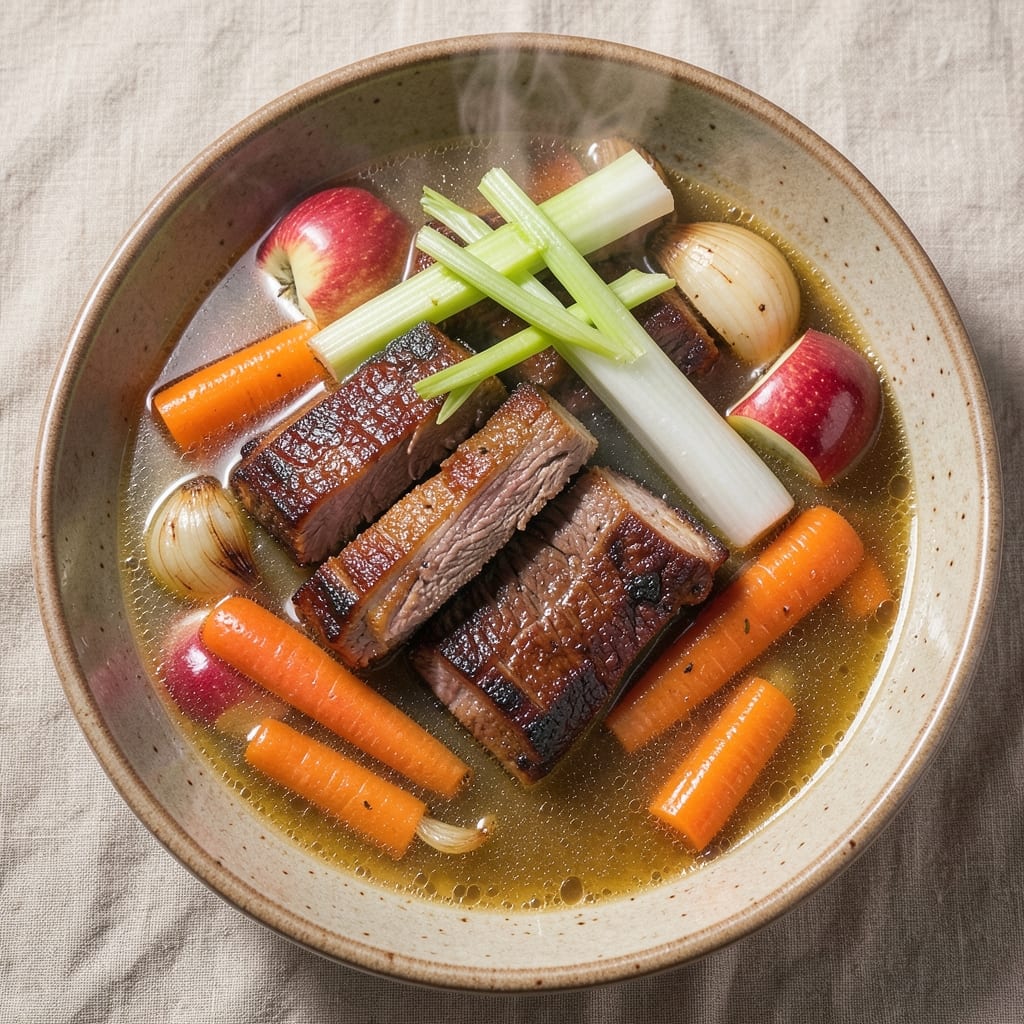
This apple carrot beef rib soup recipe transforms humble ingredients into a deeply comforting bowl of slow-simmered perfection—where tender beef ribs, sweet apples, and earthy carrots create a harmony of umami and sweetness that lingers long after the last spoonful. The secret lies in the slow simmer, which melts collagen from the ribs into a rich, velvety broth while caramelizing the apples for natural sweetness that balances the savory depth.
What sets this soup apart is the technique: searing the beef ribs first develops a deep, meaty flavor, while sautéing onions and garlic forms the aromatic base. The apples—peeled, cored, and sliced—soften into the broth, infusing it with subtle sweetness that complements the carrots' natural earthiness. This isn’t just soup; it’s a restaurant-quality dish that feels like a hug in a bowl, perfect for chilly evenings or hearty gatherings.
The result is a soup where every ingredient plays its part: tender beef ribs that pull apart easily, carrots that soften into sweet, buttery perfection, and apples that add a touch of brightness without overpowering. The broth is rich yet balanced, with just enough spice to enhance the natural flavors. It’s the kind of meal that tastes even better the next day, when the flavors have had time to meld and deepen.
Serve it with crusty bread to soak up every last drop of that aromatic broth, or pair it with a simple green salad for a complete meal. The beauty of this recipe is its versatility—it’s hearty enough for a main course but satisfying enough for a light dinner. Let’s get cooking!
Ingredients for apple carrot beef rib soup
Six hearty ingredients create this restaurant-quality beef rib soup with umami depth and sweet apple brightness.
| Ingredient | Amount | Notes |
|---|---|---|
| Beef Ribs 🥩 | 3 lb | Bone-in, meaty cuts preferred |
| Yellow Onions 🧅 | 2 whole | Medium size, sliced into half-moons |
| Garlic Cloves 🧄 | 6 cloves | Fresh, minced for aromatic base |
| Apples 🍎 | 3 medium | Peeled, cored, sliced (Honeycrisp or Fuji) |
| Carrots 🥕 | 2 lb | Whole, scrubbed, cut into chunks |
| Celery Stalks 🌿 | 4 whole | Cut into 1-inch pieces (for mirepoix) |
| Tomato Paste 🍅 | ½ cup | Canned, for depth of flavor |
| Beef Broth 💧 | 6 cups | Low-sodium preferred, homemade if possible |
| Red Wine 🍷 | 1 cup | Dry, bold (Cabernet Sauvignon works) |
| Apple Cider Vinegar 🍎 | 2 tbsp | For brightness and acidity |
| Bay Leaves 🌿 | 2 whole | Fresh if available, dried otherwise |
| Black Peppercorns 🌶️ | 1 tsp | Freshly cracked for best flavor |
| Salt 🧂 | 1 ½ tsp | Kosher or sea salt, adjust to taste |
| Thyme Sprigs 🌿 | 4 whole | Fresh preferred, stems removed |
| Olive Oil 🫒 | ½ cup | Extra-virgin for searing ribs |
The beef ribs are the foundation—look for meaty, bone-in cuts with good marbling for flavor and collagen. Costco or local butchers often have the best selections, but standard grocery stores carry them too. If you're buying pre-cut, check for even-sized pieces. The apples should be firm and sweet—Honeycrisp or Fuji hold up best during cooking. For the carrots, organic is ideal since you'll be scrubbing them whole, but regular works fine if peeled. The celery adds aromatic depth, so don't skip it—even if you're not a fan, it's essential for the mirepoix base.
No red wine? Beef broth with 1 tbsp balsamic vinegar works perfectly. Fresh thyme is ideal but dried at one-third the amount gets you close. The tomato paste can be substituted with 1 cup crushed tomatoes if you prefer, though paste gives better depth. For the apples, if you can't find Honeycrisp, Braeburn or Pink Lady are great alternatives. The beef broth matters—low-sodium versions let you control seasoning better. If you're making a big batch, double the broth and wine amounts to keep the soup rich.
This soup tastes even better the next day as flavors meld. Store in the fridge for up to 5 days or freeze for 3 months. For freezing, portion into containers with some headspace—broth expands when frozen. The ribs will pull apart easily after simmering, but if you're short on time, slow cooker on low for 6-8 hours works too. For serving, garnish with fresh thyme and a drizzle of olive oil—elevates every bowl.
Why You'll Love This Recipe
- One-Pot Magic: I swear by this recipe because it’s actually a one-pot wonder. No chopping apples into tiny pieces—just rough dice, and the slow simmer softens everything. The onions caramelize right in the pot, so you’re not stuck with a separate pan to clean.
- Sweet-Savory Balance: Between us, the apples and carrots are the secret stars. The natural sweetness cuts through the rich beef ribs, while the garlic cloves add that deep, warm punch. It’s like a hug in a bowl—comforting but never heavy.
- Meal Prep MVP: This soup tastes just as good the next day, which is perfect for busy weeks. I make a big batch on Sundays, and it’s my go-to for lunches or when unexpected company drops by. The flavors even deepen overnight, honestly.
- Budget-Friendly Feast: Beef ribs might sound fancy, but they’re often cheaper than steaks, and this recipe stretches them across multiple servings. Plus, apples and carrots are pantry staples. You’re feeding a crowd without breaking the bank—win-win.
Step-by-step instructions for apple carrot beef rib soup
This rich, slow-simmered soup delivers deep umami flavors with tender beef ribs and sweet-tart apple notes.
Sear the Beef Ribs for Maximum Flavor
Pat the 3 lb beef ribs dry with paper towels to remove any moisture. This step is crucial—dry ribs develop a better crust and release more flavor into the pot. Heat the 0.5 cup extra-virgin olive oil in a large Dutch oven over medium-high heat until shimmering but not smoking.
Working in batches if needed, add the ribs to the pot in a single layer. Let them sear undisturbed for 4-5 minutes per side until they develop a deep golden-brown crust. This caramelization forms the flavor foundation for your soup. As the ribs sear, you'll smell the meat releasing its natural juices and developing that rich, meaty aroma. Transfer the seared ribs to a plate and set aside.
Build the Aromatic Vegetable Base
In the same Dutch oven, reduce heat to medium and add the sliced 2 whole yellow onions, cut 2 lb carrots, and 4 whole celery stalks cut into 1-inch pieces. Cook for 8-10 minutes, stirring occasionally, until the vegetables soften and begin to caramelize slightly. This process, called mirepoix, develops sweet, complex flavors that form the soup's backbone.
Add the 6 cloves minced garlic cloves and cook for an additional 30 seconds until fragrant. Here's where it gets good—stir in the 0.5 cup tomato paste and cook for 2 minutes, stirring constantly. This creates a rich, concentrated base that will deepen your soup's flavor profile. The tomato paste also helps balance the acidity from the apples and vinegar later in the recipe.
Deglaze and Add Liquids
Pour in the 1 cup dry red wine and scrape up any browned bits from the bottom of the pot with a wooden spoon. These bits, called fond, contain concentrated flavor that would otherwise be lost. Let the wine simmer for 3-4 minutes until it reduces by about half and the alcohol burns off, leaving behind just the wine's rich, fruity essence.
Add the 6 cups beef broth, 2 tbsp apple cider vinegar, 2 whole bay leaves, 4 whole thyme sprigs, 1 tsp freshly cracked black peppercorns, and 1.5 tsp salt. Stir well to combine all ingredients. The vinegar adds a bright acidity that cuts through the richness of the beef and apples, while the herbs and spices infuse the broth with aromatic complexity during the long simmer ahead.
Simmer Until Ribs Are Fork-Tender
Return the seared beef ribs to the pot, along with the sliced 3 medium apples (Honeycrisp or Fuji). Bring the soup to a gentle boil, then immediately reduce heat to low. Cover partially and simmer for 2 to 2.5 hours. This long cooking time is essential—it breaks down the collagen in the beef ribs, transforming them into tender, melt-in-your-mouth morsels that easily pull away from the bone.
Check the soup after 2 hours. The ribs should be fork-tender, meaning they should separate easily when pierced with a fork. If they're not quite there, continue simmering for another 30 minutes, checking occasionally. The soup should reduce slightly, concentrating its flavors. You'll notice the aroma becomes even more inviting as the ingredients meld together during this final cooking stage.
Finish and Adjust Seasoning
Once the ribs are tender, remove them from the pot and strain the soup through a fine-mesh sieve into a clean pot. Discard the solids but return the ribs to the strained soup. This step ensures a smooth, velvety texture while keeping all the rich flavors. Skim off any excess fat that has risen to the surface.
Taste the soup and adjust the seasoning if needed. You may need to add more salt, especially if you used low-sodium broth. The apples should contribute a subtle sweetness that balances the savory beef and tangy vinegar. If the soup seems too thin, simmer it uncovered for another 10-15 minutes to reduce it to your desired consistency. Serve the soup hot, with each bowl containing tender beef ribs and aromatic vegetables in a rich, flavorful broth.
Pro Tips For Making Apple Carrot Beef Rib Soup
- CHAR THE RIBS FIRST: Skip the slow start—sear those ribs in a screaming-hot pot for 5-7 minutes before adding liquid. I used to add them cold, and the soup would taste like it needed another hour to finish. High heat locks in flavor and melts fat faster, giving you deeper richness without extra time.
- PEEL THOSE APPLES: Yes, even the skin. Apples add texture and natural sweetness, but the peel holds the most flavor—just scrub them well. I was lazy once, peeled them all, and the soup tasted flat. If you’re worried about bitterness, use sweeter varieties like Fuji or Gala and leave the skins on.
- DON’T LET CARROTS MUSH: Cut them into thick chunks (about 1-inch pieces) and add them later in the cook. Thin slices turn to mush and make the soup grainy. I learned this after serving a batch where the carrots had dissolved into the broth—now I add them with the apples in the last 20 minutes.
- SALT THE WATER LIKE THE SEA: Use 2 tablespoons of salt for every 4 quarts of water—yes, it sounds extreme, but ribs need it. Unsalted broth means bland ribs and a soup that tastes like it’s missing something. Trust me, your ribs will fall apart tenderly, and the flavor will balance the sweetness of the apples perfectly.
Common mistakes when making this dish
Skipping the Sear
Never skip searing the beef ribs—this is where the deep, meaty flavor develops through the Maillard reaction. I’ve seen beginners rush this step or use pre-cooked ribs, which results in a broth that tastes more like watered-down beef broth. Take your time here: 4-5 minutes per side until golden-brown. This caramelization is non-negotiable for that restaurant-quality depth. 🔥
Overcrowding the Pot
Adding all the ribs at once can lead to uneven cooking and a watery broth. Work in batches if needed—this ensures each piece develops a proper crust. I’ve made this mistake with 3 lb ribs in a small pot, and the result was pale, underseasoned meat. A large Dutch oven (at least 6-quart capacity) is ideal for this recipe. If your pot is too small, cook the ribs in batches and set them aside while you build the base.
Using Soft Apples
Overly ripe or soft apples will turn mushy and lose their natural sweetness during the long simmer. Stick with firm varieties like Honeycrisp or Fuji, and always peel and slice them just before adding to the pot. I once used Granny Smith apples straight from the fridge—they never softened properly and left the broth tasting bitter. Let your apples sit at room temperature for 30 minutes before cooking to ensure even cooking.
Ignoring the Fond
The browned bits (fond) at the bottom of your pot contain concentrated flavor that disappears if you don’t scrape them up. When deglazing with red wine, use a wooden spoon to scrape up every last bit—this adds layers of richness that transform a good soup into a great one. I’ve seen home cooks pour in the wine and walk away, missing out on this flavor multiplier. Take those 3-4 minutes to reduce the wine properly.
Rushing the Simmer
This soup needs patience—2 to 2.5 hours of gentle simmering is non-negotiable for tender ribs and a flavorful broth. I’ve tried shortcuts (like pressure cooking), but the ribs never pull apart cleanly, and the broth lacks depth. Keep the heat low enough that you see only tiny bubbles at the surface. If you’re in a hurry, consider a slow cooker on low for 6-8 hours, but don’t skip the sear or simmer entirely.
Skimming Too Aggressively
While you should skim excess fat from the surface, don’t remove all of it—some fat adds richness to the broth. I’ve seen cooks strain out so much fat that the soup tastes bland and watery. Aim to remove only the top layer of fat, leaving enough to coat the back of a spoon. For a lighter broth, chill the soup overnight and skim the hardened fat from the top before reheating. The remaining fat will still enhance flavor without overwhelming the dish. 💫
Nutrition facts
Frequently asked questions
Can I substitute beef ribs with another cut of beef?
While beef ribs are ideal for their collagen-rich marrow and deep flavor, you can use chuck roast or short ribs in a pinch. Cut the roast into 2-inch chunks and increase simmering time to 3 hours for tender results. Avoid lean cuts like sirloin—they won't develop the same rich broth. For extra richness, add 1 tbsp Worcestershire sauce to compensate for the different fat content.
How do I make this soup vegetarian?
Replace the beef ribs with 2 cups dried lentils or 1 lb mushrooms (like cremini or portobello) for umami depth. Use vegetable broth instead of beef, and add 1 tbsp soy sauce or 1 tsp smoked paprika to mimic the meaty flavor. The apples and carrots will still shine, but the broth will have a lighter, earthier profile. Simmer for 45-60 minutes instead of hours.
Can I make this soup in an Instant Pot?
Yes! Sear the ribs first (as directed), then sauté the onions, carrots, and celery in the Instant Pot. Add all remaining ingredients except the apples, and pressure cook for 60 minutes on high. Quick-release the pressure, then stir in the apples and cook for an additional 10 minutes on sauté mode. The ribs will be tender, but the broth may be slightly thinner than stovetop. For extra richness, reduce it uncovered for 10 minutes after cooking.
Why does my soup taste too sweet?
The apples are likely contributing too much sweetness if you used overly ripe varieties or added extra sugar. Balance it by increasing the apple cider vinegar to 3 tbsp and adding 1 tsp smoked salt or ½ tsp black pepper to enhance the savory notes. If the sweetness persists, reduce the broth by 10 minutes uncovered—concentrating the flavors will help balance the taste. For future batches, stick to Honeycrisp or Fuji apples and taste as you go.
How can I make this soup kid-friendly?
Remove the ribs and shred the meat finely, or serve them on the side for adults. Blend ½ cup of the broth with the apples and carrots for a smoother texture, then return it to the pot. Add ½ cup diced potatoes (simmered separately) to bulk up the soup. Reduce the vinegar to 1 tbsp and add a pinch of cinnamon (¼ tsp) to complement the apples. Serve with buttered noodles or crusty bread for dipping.