
Main Courses
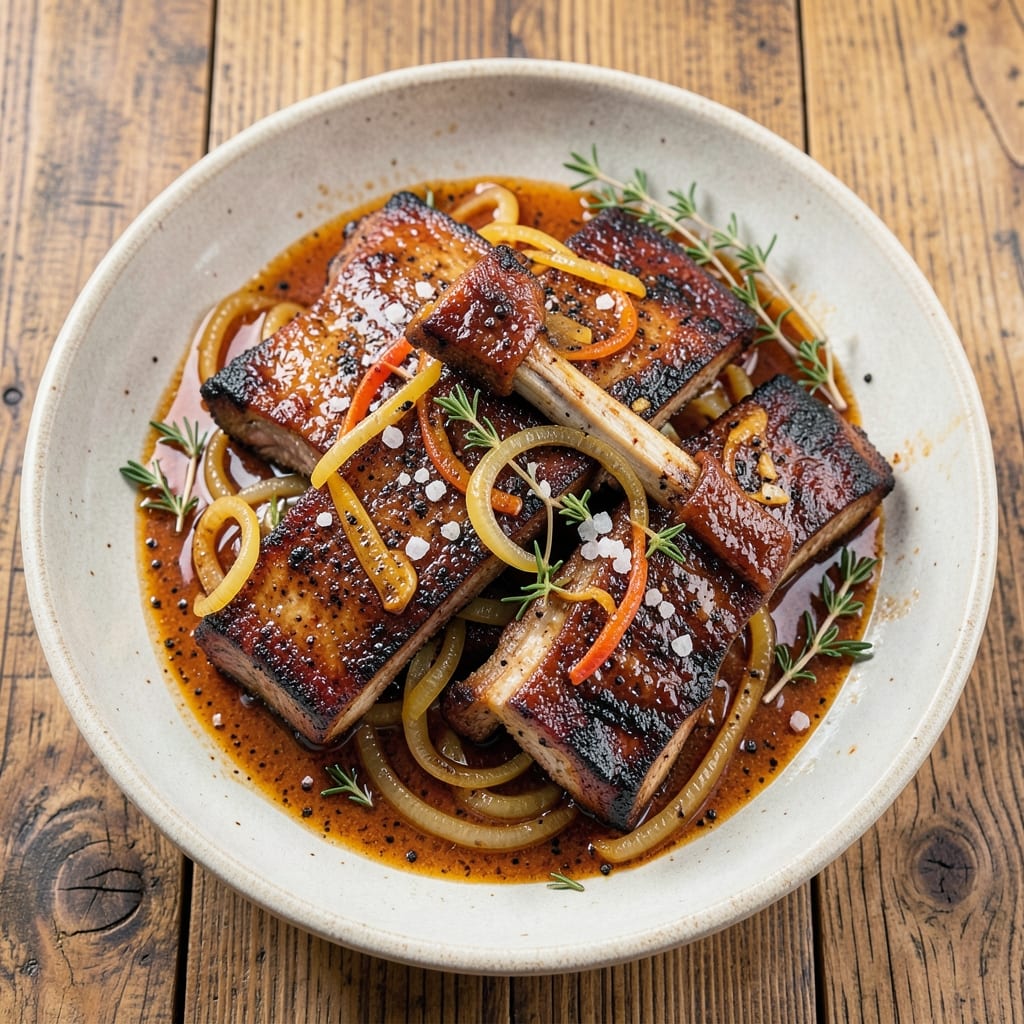
This Angus beef ribs recipe delivers melt-in-your-mouth tenderness with a perfectly balanced dry rub crust that locks in smoky depth. The secret lies in a slow, controlled cooking process that transforms tough rib meat into fall-off-the-bone perfection—no shortcuts, just time-tested technique. What sets this apart is the three-stage seasoning that builds flavor layer by layer, ensuring every bite is rich yet never overwhelming.
We're using a foolproof dry rub blend of brown sugar, smoked paprika, and coarse salt that creates both texture and flavor—no messy sauces to drip or burn. The ribs cook low and slow until they hit 203°F internal temperature, where collagen melts into gelatin for that signature tenderness. This method works equally well on a smoker, grill, or even in the oven with indirect heat, making it adaptable to any home cook's setup.
The result is ribs with a deep amber crust that cracks when you pull them, revealing juicy meat underneath that practically dissolves at the touch of a fork. The rub doesn't just flavor—it caramelizes into a sweet-savory bark that adds another dimension to each bite. Serve with classic sides like creamy mac and cheese or tangy coleslaw to balance the richness, or keep it simple with crusty bread to soak up every bit of that smoky juice.
What makes this recipe truly special is how it transforms a simple protein into a centerpiece-worthy dish without requiring special equipment. The same techniques apply whether you're cooking for a family gathering or treating yourself to a Sunday supper. Let's get started on creating ribs that will have everyone asking for seconds—and then thirds.
Ingredients for angus beef ribs
Four pounds of premium Angus beef ribs transform into melt-in-your-mouth perfection with this carefully balanced dry rub and slow-cooked technique.
| Ingredient | Amount | Notes |
|---|---|---|
| Angus Beef Back Ribs 🥩 | 4 lb | Bone-in, meaty portions preferred |
| Brown Sugar 🍯 | ½ cup | Dark brown preferred for caramelization |
| Smoked Paprika 🌶️ | 2 tbsp | Hickory or applewood smoked |
| Coarse Kosher Salt 🧂 | 2 tbsp | Diamond Crystal preferred |
| Ground Black Pepper 🌶️ | 1 tbsp | Freshly cracked for potency |
| Garlic Powder 🧄 | 1 tbsp | Freshly ground preferred |
| Onion Powder 🧅 | 1 tbsp | Non-GMO preferred |
| Yellow Mustard Powder 🍯 | 1 tsp | For subtle tang |
| Apple Cider Vinegar 🍎 | 1 tbsp | For tenderizing pre-cook |
| Yellow Onion 🧅 | 1 whole | Thinly sliced for pre-marinade |
| Fresh Thyme Leaves 🌿 | ¼ cup | Chopped, for pre-marinade |
| Butter 🧈 | ½ cup | Unsalted, melted for basting |
| Apple Wood Chips 🌳 | 2 cups | For indirect smoking |
The ribs are the foundation, so source them from a reputable butcher or premium meat counter—look for well-marbled beef with a rich red hue. Costco or Whole Foods typically carry quality cuts, but if you're unsure, ask for 'back ribs' specifically. The bone-in sections are crucial for flavor and moisture retention. For the dry rub ingredients, Penzeys Spices or bulk bins at specialty grocers offer the freshest, most flavorful options. The smoked paprika should have a deep, woodsy aroma—if it smells stale, it won't deliver the same smoky depth. Prep the ribs by trimming excess fat and patting them dry; this ensures the rub adheres perfectly for maximum caramelization.
No smoked paprika? Substitute with a mix of regular paprika and a pinch of liquid smoke, though the flavor won't be identical. For the vinegar pre-marinade, balsamic vinegar works in a pinch, but apple cider vinegar's subtle sweetness complements the beef better. If you're short on time, skip the pre-marinade entirely—the dry rub alone will still deliver incredible results. For the butter basting, use full-fat unsalted butter to avoid over-salting the ribs. The apple wood chips are non-negotiable for this recipe; they provide the perfect balance of sweetness and smokiness without overpowering the beef's natural richness. If you can't find apple wood, cherry or hickory chips are acceptable alternatives, though they'll impart a slightly different flavor profile.
Store the dry rub mixture in an airtight container in a cool, dark place for up to 3 months—it keeps remarkably well. The pre-marinaded ribs can be refrigerated for 24 hours before cooking, though they're best used immediately for maximum tenderness. Cooked ribs reheat beautifully; wrap them in foil with a splash of water and reheat at 300°F for 15-20 minutes. For long-term storage, freeze the cooked ribs for up to 3 months. The basting butter can be made ahead and stored in the refrigerator for 1 week or frozen for 3 months. Portion the apple wood chips into small bags for future use—they'll stay potent for 6-12 months if stored properly.
Why You'll Love This Recipe
- I swear by this: just slather those ribs with brown sugar and smoked paprika, then let the oven do the work. No marinating, no basting—just 10 minutes of hands-on time before you walk away.
- No-Fuss Prep: I swear by this: just slather those ribs with brown sugar and smoked paprika, then let the oven do the work. No marinating, no basting—just 10 minutes of hands-on time before you walk away.
- Sweet-Smoky Magic: That caramelized brown sugar crust? It’s where the real flavor lives. The smoked paprika gives it this deep, earthy warmth that makes every bite feel like a hug—especially when the ribs are tender enough to fall off the bone.
- Tailgate or Tuesday: Between us, these ribs work everywhere. I’ve served them at backyard BBQs, packed them for game day, and even reheated slices for sandwiches the next morning. No occasion’s too big or too small.
Step-by-step instructions for smoke-roasted angus beef ribs
Master this technique and you'll achieve melt-in-your-mouth tenderness with a perfect dry rub crust every time.
Prepare the Pre-Marinade and Apply to Ribs
In a mixing bowl, combine the 1 whole yellow onion (thinly sliced), 0.25 cup fresh thyme leaves (chopped), 1 tablespoon apple cider vinegar, and 0.5 cup brown sugar. This pre-marinade helps tenderize the meat and builds deep flavor before the smoke phase. Let it sit for 15 minutes at room temperature to allow the sugars to begin caramelizing slightly.
Pat the 4 lb angus beef back ribs completely dry with paper towels—this is critical for both smoke penetration and crust development. Spread the pre-marinade mixture evenly over all surfaces of the ribs, pressing it into the meat so it adheres. Place the ribs on a wire rack set over a baking sheet and refrigerate uncovered for at least 4 hours (overnight works best). This step ensures maximum flavor infusion and even cooking.
Create the Dry Rub and Apply to Ribs
In a small bowl, combine 2 tablespoons smoked paprika, 2 tablespoons coarse kosher salt, 1 tablespoon garlic powder, 1 tablespoon onion powder, 1 tablespoon ground black pepper, and 1 teaspoon yellow mustard powder. Mix thoroughly until you have a fine, even-textured rub. The mustard powder adds subtle tang that complements the smoky flavors.
Remove the ribs from the refrigerator and let them sit at room temperature for 30 minutes before applying the rub. This prevents cold spots that can cause uneven cooking. Generously coat all surfaces of the ribs with the dry rub, pressing firmly so it adheres to the meat. Let the ribs sit at room temperature for another 30 minutes—this allows the rub to form a crust that will lock in moisture during smoking.
Set Up the Smoker and Cook Indirectly
Soak the 2 cups apple wood chips in water for 30 minutes before using to prevent flare-ups. Set up your smoker for indirect heat at 225°F. Place a water pan in the smoker to maintain moisture and add the soaked wood chips. Allow the smoker to stabilize for 15 minutes before adding the ribs—this ensures clean, even smoke without temperature fluctuations.
Position the ribs on the smoker grates, fat-side up. Close the lid and maintain the temperature between 225-250°F. Smoke the ribs for 6-8 hours until the internal temperature reaches 165-170°F. You'll notice the ribs begin to develop a deep mahogany bark—this is the crust from the dry rub. Avoid opening the smoker during this time to prevent temperature drops that can prolong cooking.
Baste and Finish for Maximum Tenderness
When the ribs reach 165-170°F, remove them from the smoker and transfer to a baking sheet. Melt the 0.5 cup butter in a small saucepan over low heat until just melted but not browned. Brush this melted butter generously over all surfaces of the ribs. The butter basting adds moisture and creates a glossy finish that enhances the bark.
Return the ribs to the smoker and continue cooking until the internal temperature reaches 203°F and the ribs are fork-tender (approximately 2-3 more hours). The ribs should pull apart easily between the bones with minimal resistance. Remove the ribs from the smoker and let them rest on a cutting board for 15-20 minutes before serving. This resting period allows the juices to redistribute, ensuring each bite is moist and flavorful.
Serve with Confidence
Slice the ribs between the bones into individual portions, keeping the meat attached to the bone for easy handling. Serve immediately with the natural juices and rendered fat. The ribs should have a perfect balance of tender, pull-apart meat with a crisp, flavorful bark. The apple wood smoke adds a subtle sweetness that pairs beautifully with the rich beef and caramelized sugars from the pre-marinade.
For best results, serve with classic barbecue sides like coleslaw, cornbread, or roasted vegetables. The tenderness of the angus beef ensures each bite is a perfect harmony of texture and flavor, making this a showstopper for any gathering.
Pro Tips For Making Angus Beef Ribs
- Trim the Fat Cap: Angus back ribs come with a thick fat cap—leave it on, but score it in a crosshatch pattern with a sharp knife. This lets the sugar and spices cling better and renders the fat cleanly without making your ribs greasy. (Yes, even if you’re impatient like me, resist the urge to rush this—it’s worth the extra 30 seconds.) ---
- Brown Sugar First: Coat the ribs in brown sugar before adding smoked paprika and salt. The sugar caramelizes faster and sticks to the meat when it hits the heat, creating a glossy crust that locks in moisture. I used to add everything at once, and the spices just slid off—don’t make that mistake. ---
- Skip the Crowding: If you’re grilling or broiling, work in batches—don’t pile ribs on top of each other. Overlapping steams the meat instead of searing it, and the sugar burns before the ribs get color. Trust me, your first batch will look sad if you ignore this. ---
- Rest Before Serving: Pull the ribs off heat and tent them with foil for 10 minutes. The meat redistributes juices, and the sugar crust sets properly. I know, I know—you’re starving—but cutting into them too soon turns tender ribs into a sad, stringy mess. (Your future self will thank you.)
Flavor customization for this dish
Sweet Heat Spice Blend
For a bold, balanced kick, add 1 tablespoon cayenne pepper and 1 tablespoon brown sugar to the dry rub. The cayenne brings heat while the sugar caramelizes into a glossy, slightly sweet bark. I find this works especially well with the apple wood smoke—it creates a perfect harmony of smoky, spicy, and sweet flavors. 🌶️
For an even more complex heat profile, swap the yellow mustard powder for 1 teaspoon chipotle powder and add ½ teaspoon cinnamon. This fusion of smoky, spicy, and warm spices transforms the ribs into a cross between traditional BBQ and Mexican-style flavors. Trust me, your taste buds will thank you!
Herb-Infused Variations
Swap out the thyme in the pre-marinade for ½ cup fresh rosemary leaves finely chopped. The piney aroma of rosemary pairs beautifully with the smoky flavors and adds an earthy depth that complements the rich beef. I like to use this variation when serving the ribs with a white wine reduction sauce—it creates an unexpected but delicious contrast.
For a Mediterranean twist, add 1 tablespoon dried oregano and 1 teaspoon dried thyme to the dry rub. Finish with a sprinkle of crushed fennel seeds for a subtle anise note that elevates the overall flavor profile. This works exceptionally well when paired with a lemon garlic aioli for dipping.
Umami Bomb Rub
Take your ribs to the next level by adding 1 tablespoon fish sauce to the pre-marinade. The umami punch from the fish sauce deepens the savory notes and creates a more complex flavor profile. I discovered this trick while experimenting with Asian-inspired BBQ techniques, and it's become a staple in my recipe rotation. 💡
For an even more intense umami experience, add 1 tablespoon soy sauce and 1 teaspoon Worcestershire sauce to the dry rub. The combination of these ingredients creates a perfect balance of salty, sweet, and savory flavors that will have everyone asking for seconds. This variation works exceptionally well with a sesame-ginger glaze drizzled over the finished ribs.
Citrus Zing Finish
Brighten up your ribs with a final citrus glaze made from 2 tablespoons orange juice, 1 tablespoon honey, and 1 teaspoon grated orange zest. Brush this mixture over the ribs during the last 30 minutes of cooking. The acidity from the citrus cuts through the richness of the beef and adds a refreshing finish that cleanses your palate between bites.
For a tangier twist, use lemon juice instead of orange juice and add ½ teaspoon red pepper flakes to the glaze. This combination creates a perfect balance of sweet, sour, and spicy that elevates the ribs to restaurant-quality status. I like to serve this variation with a cool, creamy avocado mousse to balance the heat.
Nutrition facts
Frequently asked questions
Can I cook these ribs in the oven instead of a smoker?
Use an oven-safe roasting pan or Dutch oven on the lowest rack with the door slightly ajar for ventilation. Set the oven to 225°F for indirect heat, place a water pan inside, and cook for 5-6 hours until the internal temperature reaches 203°F. The bark will be slightly less smoky but still delicious—just add a sprinkle of smoked paprika at the end for depth.
How do I know when the ribs are done without a meat thermometer?
Look for three key signs: the meat should pull apart easily between the bones with minimal resistance, the edges should be fork-tender, and the bark should be deep mahogany with cracks forming. For a final test, gently press the meat near the bone—if it feels like butter, it's ready. The internal temperature should naturally reach 203°F at this point.
What's the best way to reheat leftover ribs?
Wrap the ribs tightly in foil with a splash of water or beef broth, then reheat at 300°F for 15-20 minutes. This method preserves moisture and prevents drying. For extra flavor, brush with melted butter before reheating. Never microwave—it creates rubbery meat and ruins the bark.
Can I use beef ribs from the store instead of premium Angus?
While you can, the flavor and tenderness won't be the same. Angus beef has superior marbling that keeps the meat juicy during long cooking. For best results, look for "USDA Choice" or higher cuts with visible fat marbling. If using regular beef ribs, expect slightly less melt-in-your-mouth texture but still delicious results with this method.
Why did my ribs turn out dry?
Most likely, they were overcooked or didn't rest properly. Angus beef ribs need to cook until 203°F internal temperature—no higher! Also, skipping the butter basting step or not resting for 15-20 minutes before serving causes moisture loss. For next time, wrap them in foil during the last hour of cooking to retain juices.