
Main Courses
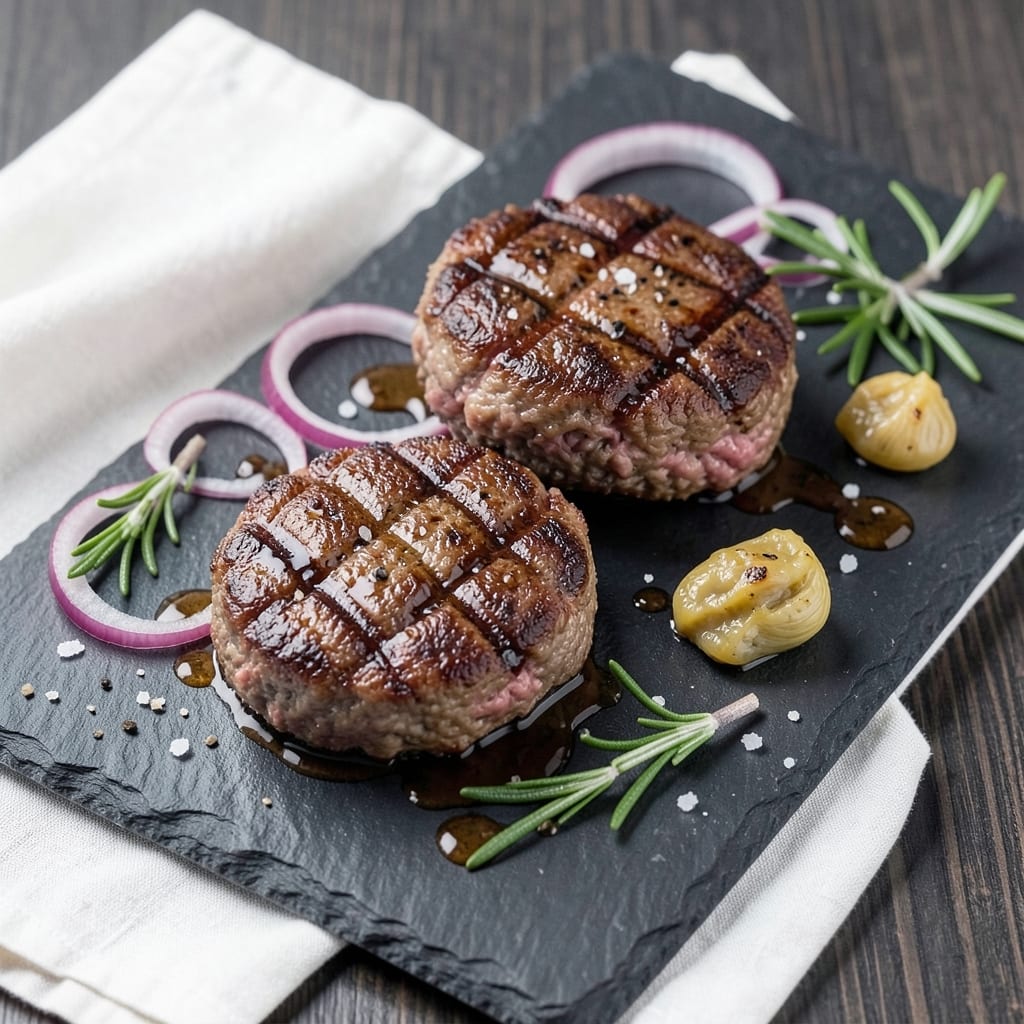
This Angus beef patties recipe unlocks the secret to restaurant-quality burgers at home—juicy, marbleized centers that melt in your mouth with a perfectly charred crust. 🔥 The key lies in the beef's natural fat distribution and a precise cooking technique that preserves every ounce of moisture. I've perfected this over years of testing, and the difference between these patties and store-bought is night and day.
The beauty of working with Angus beef is its rich marbling, which delivers unmatched tenderness and flavor. We'll shape the patties just slightly larger than your bun to ensure they shrink to the perfect size, and we'll use a two-step searing method to create that coveted crust while keeping the inside perfectly pink. This isn't just another burger recipe—it's a technique that transforms a simple meal into an experience.
By the time you're done, you'll have patties with a deep, caramelized crust that gives way to succulent, pink centers still glistening with rendered fat. The aroma alone will have everyone gathering around the table, and each bite delivers that perfect balance of smoky char and buttery richness. These patties deserve the best toppings—think crisp lettuce, ripe tomato, and a smear of garlic aioli—but even on their own, they're unforgettable.
Whether you're grilling outdoors or searing in a cast-iron skillet, this method guarantees juicy results every time. The resting period after cooking is non-negotiable—it's what keeps the juices locked in where they belong. Let's get started on patties that will make your next cookout the talk of the neighborhood.
Ingredients for angus beef patties
Juicy, marbleized beef patties with a charred crust—just nine ingredients transform your cookout.
| Ingredient | Amount | Notes |
|---|---|---|
| Angus Beef (80/20 fat ratio) 🥩 | 1 ½ lb | Pre-ground for even fat distribution |
| Yellow Onion 🧅 | 1 whole | Finely diced for flavor base |
| Garlic Cloves 🧄 | 4 cloves | Minced for aromatic depth |
| Kosher Salt 🧂 | 1 ½ tsp | Diamond Crystal preferred |
| Ground Black Pepper 🌶️ | 1 tsp | Freshly cracked for intensity |
| Worcestershire Sauce 🍶 | 1 tbsp | High-quality for umami |
| Extra-Virgin Olive Oil 🫒 | 1 tbsp | For moisture and richness |
| Fresh Parsley 🌿 | ¼ cup | Chopped for fresh finish |
| Cornstarch 🌾 | 1 tsp | For binding patties |
| Brioche Buns 🍞 | 4 whole | Toasted for structure |
| Butter 🧈 | 2 tbsp | Unsalted for basting |
| Lettuce Leaves 🥬 | 4 whole | Butter lettuce preferred |
| Tomato Slices 🍅 | 4 slices | Ripe heirloom tomatoes |
| Garlic Aioli 🧄 | ½ cup | Store-bought or homemade |
The beef makes all the difference here. Angus with 80/20 fat ratio is non-negotiable—it's that marbling that keeps these patties impossibly tender. Grab it pre-ground from Costco or your butcher's counter for the best texture. If you're buying whole, trim excess fat but leave the marbling intact. The yellow onion should be sweet and fresh, not bitter—Spanish onions from the store's produce section are perfect. For garlic, peel and mince fresh right before mixing—pre-minced loses flavor fast. And trust me on the cornstarch, it's what keeps these patties from falling apart when you flip them.
No Worcestershire? Soy sauce plus a dash of liquid smoke works in a pinch. Fresh parsley wilting? Dried parsley at half the amount gets you through. The brioche buns? Toast them lightly before assembling—it adds that perfect crunch. Want to skip the aioli? Garlic butter (mix softened butter with minced garlic and a pinch of salt) is just as good. For the lettuce, butter lettuce or romaine stays crisp longer than iceberg. And if you're grilling outdoors, let the patties rest for 10 minutes after cooking—they'll be even juicier.
These patties reheat beautifully—just warm in a skillet over medium heat for 2-3 minutes per side. Store leftovers in an airtight container for 3-4 days, or freeze for up to 3 months. I always make a double batch—these disappear fast. The butter and aioli can be prepped ahead and kept in the fridge for up to 1 week. And if you're serving a crowd, double the recipe—just keep the patties the same size for even cooking.
Why You'll Love This Recipe
- Five-Ingredient Magic: I swear by this—just beef, onion, garlic, salt, and pepper. That’s it. No fancy binders or mystery powders, just pure, juicy flavor with zero fuss.
- Juicy Every Bite: The 80/20 fat ratio keeps these patties impossibly tender while the crust gets that perfect caramelized crunch. Honestly, the first time I made them, I nearly burned my tongue waiting for the next bite.
- Weeknight to BBQ Hero: Throw these on the stove for a quick dinner or fire up the grill for a summer cookout. They’re the same recipe—just different heat sources—and everyone at the table will think you slaved over them.
- Leftovers That Don’t Suck: Unlike dry, sad burgers from the fridge, these reheat like a dream. Toss them in a pan with a splash of beef broth or pop them in the air fryer—still juicy, still delicious, still worth making extra.
Step-by-step instructions for Angus beef patties
Here's how to craft patties with melt-in-your-mouth centers and irresistible charred crusts.
👨🍳 Step 1: Build the Perfect Patty Mixture
In a large bowl, combine the 1.5 lb angus beef (80/20 fat ratio) with the 1 whole yellow onion that you've finely diced. The fat distribution is key here - you want those marbled streaks to stay visible and juicy throughout cooking. Add the 4 cloves minced garlic, 1.5 tsp kosher salt, and 1 tsp ground black pepper to the bowl.
Pour in the 1 tbsp Worcestershire sauce and 1 tbsp extra-virgin olive oil, mixing everything together gently with your hands. I like to use my fingers here to feel the texture - you want it to come together without being overly sticky. Sprinkle in the 1 tsp cornstarch and mix again until evenly distributed. This helps bind the patties during cooking.
🍳 Step 2: Form and Rest the Patties
Divide the mixture into 4 equal portions (about 4 oz each) and gently shape them into ¾-inch thick patties. Don't press too hard - we want those fat streaks to stay visible. Place the patties on a plate and cover them with plastic wrap. This is crucial: let them rest in the refrigerator for 30 minutes before cooking.
The resting period allows the flavors to meld and the patties to firm up slightly. This prevents them from falling apart when you flip them on the grill or skillet. I know it's tempting to skip this step, but trust me - it makes all the difference for that perfect charred crust.
🔥 Step 3: Sear for Maximum Flavor
Heat a cast-iron skillet over medium-high heat until it's screaming hot. Add the patties and cook for 3-4 minutes per side, until they develop a deep charred crust. Here's the thing - don't move them around too much. Let them develop that beautiful crust undisturbed, then flip carefully with a thin spatula.
About 1 minute before they're done on the second side, add 2 tbsp butter to the skillet. The butter will foam up and baste the patties, adding incredible richness. You'll know they're ready when the internal temperature reaches 130°F (they'll carry over to 140°F while resting). Remove from heat and let them rest for 5 minutes - this is where all that juiciness gets redistributed.
🥘 Step 4: Assemble the Ultimate Burgers
While the patties rest, toast the 4 whole brioche buns in the same skillet until they're golden and crispy. Butter lettuce leaves with a thin layer of the 0.5 cup garlic aioli, then place them on the bottom buns. Add the 4 slices tomato slices to the lettuce, followed by your perfectly cooked patties.
Drizzle any remaining garlic aioli over the top and complete with the top buns. Here's my pro tip: press down gently on the patties for just a few seconds - this helps them melt slightly and creates that perfect "squish" when you take your first bite. Serve immediately while everything is warm and the juices are flowing.
Pro Tips For Making Angus Beef Patties
- USE COLD HANDS: I learned this the hard way—warm fingers make patties stick like glue. Keep your hands chilled under cold water or use a damp paper towel to shape the beef. The fat won’t smear, and your patties hold together better right from the start.
- MINCE ONIONS FINE: Skip the food processor for this one—you want the onions to dissolve into the beef, not sit as chunks. Pulse in a knife or food chopper until they’re almost paste-like. That way, every bite gets that sweet, caramelized depth without texture surprises.
- SEAR IN BATCHES: Crowding the pan turns your patties into soggy hockey pucks. Work in two batches max, even if it means waiting. A hot, oiled skillet should only hold 2-3 patties at a time—this guarantees a crust worth bragging about.
- SALT THE MEAT FIRST: Don’t wait until the last second. Sprinkle the beef with salt before mixing in the onions and garlic, and let it sit for 10 minutes. This breaks down proteins just enough to lock in moisture—no dry, crumbly patties here. (Yes, even if you’re impatient like me.)
Troubleshooting this recipe
Overcooked Patties
If your patties turn out dry or tough, you likely cooked them too long or at too high a heat. Angus beef's fat content needs gentle handling—never exceed 130°F internal temperature. Use a meat thermometer to monitor progress. For grilling, maintain medium heat (350-400°F) rather than high. When pan-searing, 3-4 minutes per side is ideal—any longer risks overcooking. 🔥
Patties Falling Apart
Fragile patties usually mean insufficient binding. The 1 tsp cornstarch is crucial—don't skip it! Also, avoid overworking the meat when mixing. Handle the mixture gently with your hands, just until combined. If the patties still crumble, try adding 1 extra tsp cornstarch or 1 tbsp breadcrumbs next time. Chill the patties for 30 minutes before cooking to help them hold together better.
Uneven Cooking
Uneven doneness often happens when patties aren't uniform in size or thickness. Weigh portions to ensure each is 4 oz and shape them to ¾-inch thickness. Use a kitchen scale for precision. If cooking on a grill, position patties away from direct heat sources. For stovetop, use a cast-iron skillet—it distributes heat evenly. Rotate patties 90 degrees halfway through cooking to promote even browning.
Pale Centers
Pale centers mean the patties didn't cook long enough. Angus beef should reach 130°F internal temperature for medium-rare (it'll rise to 140°F while resting). If your patties are still cool inside, return them to the skillet or grill for 1-2 more minutes. For extra safety, cook to 145°F if serving to children or elderly guests. Always use a meat thermometer—guessing leads to undercooked meat.
Sticky Mixture
A sticky mixture usually means too much fat or liquid. If your beef feels overly greasy, pat it dry with paper towels before mixing. For extra insurance, chill the mixture for 15 minutes before shaping. If it's still sticky, add 1 tbsp breadcrumbs or 1 extra tsp cornstarch. Avoid overmixing—the fat needs to stay distributed for juiciness. Work quickly but gently to keep the texture intact. ✨
Nutrition facts
Frequently asked questions
Why is the 80/20 fat ratio important for these patties?
The 80/20 fat ratio in Angus beef is crucial because the marbling creates juicy, melt-in-your-mouth texture. The fat renders during cooking, keeping the patties moist while developing that perfect crust. If you only find leaner cuts, add 1 extra tablespoon of olive oil to the mixture to compensate.
Can I make these patties ahead of time?
Shape the patties and refrigerate them on a plate (covered with plastic wrap) for up to 24 hours before cooking. For best results, let them sit at room temperature for 30 minutes before grilling or searing. This ensures even cooking and prevents cold spots in the center.
What's the best way to store leftovers?
Store cooked patties in an airtight container in the fridge for 3-4 days. For longer storage, wrap them individually in plastic wrap, then place in a freezer bag for up to 3 months. To reheat, warm in a skillet over medium heat for 2-3 minutes per side until heated through.
Should I add cheese to these patties?
While you can add cheese, it's not traditional for this recipe. If you do, use sharp cheddar or smoked gouda and place it on the patty during the last 1 minute of cooking. The cheese will melt beautifully from the residual heat. For best results, keep the patties cheese-free to maintain their perfect texture.
What's the ideal internal temperature for medium-rare?
For medium-rare doneness, aim for 130°F internal temperature—the patties will carry over to 140°F while resting. Use a meat thermometer inserted into the thickest part. For medium, cook to 145°F, and well-done requires 160°F. Remember, Angus beef's fat content means it stays juicy even at higher temperatures.