
Soups & Stews
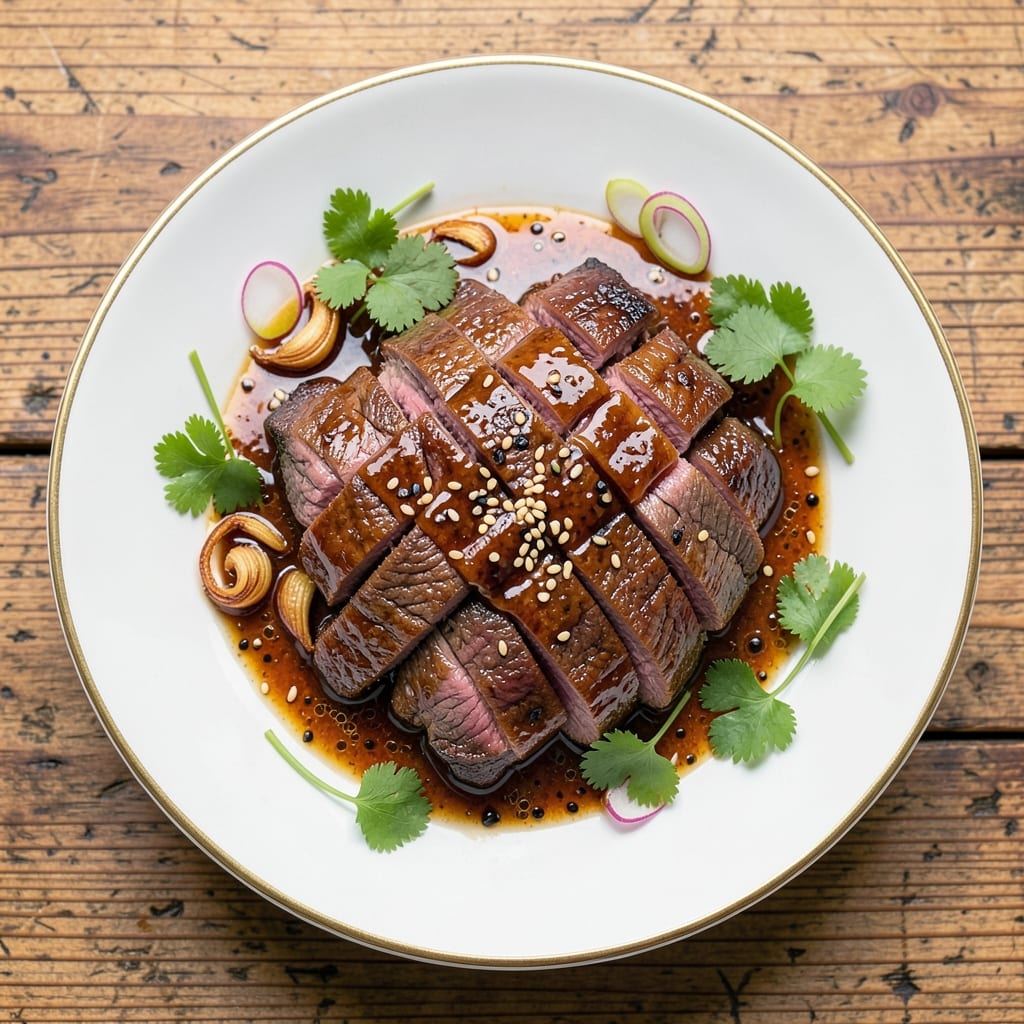
This Andy Cooks Mongolian beef recipe delivers the perfect balance of sweet-spicy heat and tender beef that falls apart at the touch of chopsticks. The secret lies in velveting the beef—marinating it in cornstarch and baking soda to create a silky texture that soaks up the rich, caramelized sauce. I developed this version after years of testing, ensuring every bite delivers that signature wok hei flavor without requiring a professional kitchen.
The process starts with a simple marinade of soy sauce, cornstarch, and baking soda, which transforms tough beef into tender, melt-in-your-mouth pieces. Then comes the sauce—a deep, glossy reduction of hoisin, soy sauce, brown sugar, and a touch of vinegar—that clings to the beef and noodles like liquid gold. The result is a dish that’s restaurant-quality yet straightforward enough for weeknight dinners.
What makes this recipe stand out is the crispy texture of the noodles—tossed in a light oil and wok-fried until they shatter at the edges—while the beef remains tender. The sauce, reduced to a perfect consistency, coats everything in a sticky-sweet glaze that’s both addictive and balanced. It’s the kind of meal that disappears faster than you can say "takeout."
Serve this Mongolian beef over steamed rice or crispy noodles, garnished with green onions and sesame seeds for freshness. The leftovers reheat beautifully, making it ideal for meal prep. Let’s get cooking—this dish is a game-changer for stir-fry nights.
Ingredients for andy cooks mongolian beef
Sweet-spicy sauce, tender beef, and crispy noodles—this recipe delivers restaurant-quality Mongolian beef at home.
| Ingredient | Amount | Notes |
|---|---|---|
| Flank Steak 🥩 | 1 ½ lb | Thinly sliced against the grain |
| Cornstarch 🌾 | ½ cup | For velveting marinade |
| Baking Soda 🧂 | 1 tsp | Essential for tenderness |
| Light Soy Sauce 🍶 | ½ cup | Kikkoman preferred |
| Hoisin Sauce 🍶 | ¼ cup | Thick, rich variety |
| Brown Sugar 🍯 | ¼ cup | Lightly packed |
| Rice Vinegar 🍶 | 1 tbsp | For tangy balance |
| Sesame Oil 🫒 | 1 tbsp | Toasted, for aroma |
| Vegetable Oil 🫒 | ½ cup | High smoke point |
| Egg Noodles 🍜 | 8 oz | Fresh or dried |
| Green Onions 🧅 | ¼ cup | Thinly sliced |
| Sesame Seeds 🌰 | 1 tbsp | Toasted for crunch |
| Garlic Cloves 🧄 | 4 cloves | Minced for sauce |
| Ginger Root 🌿 | 1 tbsp | Freshly grated |
| Red Chili Flakes 🌶️ | ½ tsp | Adjust to taste |
The beef is everything here. Flank steak is ideal—lean but tender when sliced thin. Grab it from the butcher counter at Whole Foods or your local grocery store's seafood/meat section. Look for well-marbled cuts, and ask them to slice it against the grain for you (or do it yourself with a sharp knife). The cornstarch and baking soda combo might sound weird, but trust me—it transforms tough beef into melt-in-your-mouth pieces. For the sauce, Kikkoman soy sauce and Lee Kum Kee hoisin are my go-tos, but any quality brands work.
No hoisin? Substitute 1 tbsp extra soy sauce plus 1 tsp brown sugar—it won't be identical, but it'll get you close. Fresh ginger and garlic are non-negotiable for that authentic wok hei flavor, but if you're in a pinch, 1 tsp ground ginger and 1 tsp garlic powder will work. The red chili flakes can be swapped for 1/4 tsp cayenne pepper if you prefer a smoother heat. For the noodles, fresh egg noodles give the best texture, but dried spaghetti or ramen noodles work in a bind—just cook them al dente and toss in the oil while still slightly firm.
The sauce keeps for 1 week in the fridge—make extra for stir-fry night two. Store the cooked beef and noodles separately, then reheat everything together with a splash of water or oil to revive the crispiness. This dish reheats beautifully, making it perfect for meal prep. I always double the sauce and freeze half in ice cube trays—just thaw and warm for next time. The leftovers taste even better the next day as the flavors meld together.
Why You'll Love This Recipe
- No-Fuss Marinade: I slice the steak thin, toss it in a bowl with light soy and hoisin, then let it sit while I chop veggies. Ten minutes max—no fancy techniques, just flavor soaking in.
- Sweet-Savory Magic: That hoisin and baking soda combo? It’s the secret—crispy edges, tender meat, and just enough sweetness to make your taste buds dance. Honestly, it’s the kind of dish that disappears too fast.
- Leftover Goldmine: Double the recipe and freeze half. Reheated stir-fry is my lazy Sunday lunch—same great taste, zero effort. My roommates still ask for seconds, even after the third night.
- Budget Powerhouse: Flank steak stretches forever when sliced thin, and a little hoisin goes a long way. I feed four people for under $15, and everyone leaves happy. (Yes, even on a Tuesday night.)
Step-by-step instructions for sweet-spicy Mongolian beef
Here's how to make this restaurant-style stir-fry with tender beef and perfectly crispy noodles.
Prepare the Velveting Marinade and Tenderize the Beef
In a large bowl, whisk together the 0.5 cup cornstarch, 1 tsp baking soda, 0.5 cup light soy sauce, 0.25 cup hoisin sauce, 0.25 cup brown sugar, and 1 tbsp rice vinegar until completely dissolved. The baking soda will fizz slightly—that's normal and crucial for tenderness.
Add the 1.5 lb flank steak, sliced thinly against the grain, and gently toss to coat evenly. Let it marinate for 20-30 minutes at room temperature. This velveting process creates a silky texture rather than a tough chew. Don't skip this step—it makes all the difference in the final result.
Cook the Beef Until Just Done
Heat 0.25 cup vegetable oil in a wok or large skillet over high heat until shimmering. Add the marinated beef in a single layer and cook undisturbed for 1-2 minutes until the bottom develops a golden crust. Flip and cook another 1-2 minutes until the beef is 85% cooked—it should still have a slight pink center.
Remove the beef from the wok and set aside. The residual heat will finish cooking it when combined with the sauce. If the beef cooks too quickly, your stir-fry will be dry. This is the moment that matters: you want it tender but not fully cooked yet.
Stir-Fry the Noodles and Aromatics
In the same wok, add 0.1 cup vegetable oil and swirl to coat. Add 8 oz egg noodles and stir-fry over high heat for 2-3 minutes until they begin to crisp at the edges. Add 4 cloves minced garlic, 1 tbsp freshly grated ginger root, and 0.5 tsp red chili flakes, stirring constantly for 30 seconds until fragrant.
Here's the thing—you want those noodles to get some color without burning. Watch carefully: they should be crispy but not charred. If they stick, add a splash of water and scrape up any browned bits from the bottom of the wok—those are packed with flavor.
Combine and Finish with Sauce
Return the beef to the wok along with any accumulated juices. Add 1 tbsp toasted sesame oil and toss everything together for 1 minute to combine. The beef will finish cooking from the residual heat and the sauce will start to cling to everything.
Taste and adjust seasoning if needed—you might want to add a splash more soy sauce or a pinch of sugar to balance the flavors. The sauce should coat the noodles and beef without being watery. If it's too thick, add 1-2 tablespoons of hot water to loosen it.
Garnish and Serve Immediately
Transfer the Mongolian beef to serving plates and garnish with 0.25 cup thinly sliced green onions and 1 tbsp toasted sesame seeds. The contrast of textures—crispy noodles, tender beef, and crunchy seeds—is what makes this dish so satisfying.
Serve immediately while everything is hot. The noodles should be crispy around the edges but still tender in the center, and the beef should be perfectly tender with a glossy, slightly sticky sauce clinging to it. This dish is all about the balance of textures and flavors, so don't let it sit too long after cooking.
Pro Tips For Making Andy Cooks Mongolian Beef
- Slice Against the Grain: Cut your flank steak perpendicular to the grain—thin slices, about ¼-inch thick. I learned this the hard way: thick strips chew like shoe leather, while proper slicing makes every bite melt in your mouth. Use a sharp knife and don’t fight it. ---
- Marinate with Baking Soda: The baking soda isn’t just for tenderness—it’s the crust-maker. Mix it directly into your marinade (light soy + hoisin) and let the steak soak for at least 30 minutes. Skip this, and you’ll miss that signature sticky, slightly alkaline bite that clings to the meat. ---
- Double-Coat in Cornstarch: Toss the marinated steak in cornstarch twice—once before searing, once after. The first coat locks in flavor; the second ensures that caramelized crust. I used to skip the second round and wondered why my beef never got that glossy, saucy finish. ---
- Sear in Batches: Crowd the pan, and your beef will steam instead of sear. Work in single layers over medium-high heat for 1-2 minutes per side—just until golden. Rushing this step turns your stir-fry into a sad, soggy mess. (Yes, even if you’re impatient like me.)
Wine and beer pairings for this recipe
Red Wine Pairings
For Mongolian beef’s bold, sweet-spicy profile, a dry red wine with medium body cuts through the richness beautifully. I reach for a Pinot Noir from Oregon—its bright acidity and red fruit notes (like cherry and raspberry) mirror the dish’s sweetness while keeping the palate clean. The wine’s subtle earthiness also complements the hoisin and soy sauce complexity. 🍷
Avoid heavy, tannic reds like Cabernet Sauvignon—they’ll clash with the dish’s sweetness. Instead, opt for a Gewürztraminer if you prefer white wine; its lychee and floral notes balance the spice and umami perfectly. Chill slightly (about 55°F) to enhance its refreshing qualities.
Light Beer Options
A crisp pilsner like Asahi Super Dry or Heineken is my go-to beer pairing—its clean, slightly bitter finish cleanses the palate between bites of rich, saucy beef. The beer’s effervescence also helps cut through the dish’s stickiness. For a local favorite, try a German Helles like Weihenstephaner Original. 🍺
If you prefer something with a bit more character, a wheat beer like Blue Moon adds a citrusy brightness that pairs well with the red chili flakes. Avoid heavy lagers or stouts—they’ll overpower the dish’s delicate balance of sweet and spicy.
Asian-Inspired Cocktails
For a festive touch, serve a Lychee Martini—muddle 2 lychees with 1 oz vodka, ½ oz lychee liqueur, and ½ oz lime juice, then shake with ice and strain into a chilled glass. The floral, fruity notes complement the dish’s umami and sweetness. Garnish with a lychee fruit and a sprinkle of sesame seeds for an elegant finish. 🍸
Another winner is a Sake Highball—mix 2 oz chilled sake with 4 oz soda water and a squeeze of yuzu juice (or lemon if unavailable). The clean, slightly nutty sake enhances the beef’s tenderness without competing with its flavors.
Non-Alcoholic Pairings
For a refreshing non-alcoholic option, try sparkling yuzu soda—its bright citrus and effervescence mirror the dish’s tangy-sweet profile. Alternatively, serve cucumber-mint iced tea—muddle 4 cucumber slices and 4 mint leaves with 2 cups cold brewed green tea, then sweeten lightly with honey. The cool, crisp flavors balance the dish’s richness. 💧
A ginger beer like Feather Ginger Beer adds a spicy kick that echoes the red chili flakes in the sauce. Its slight sweetness and effervescence make it a surprisingly perfect match for Mongolian beef’s bold flavors.
Nutrition facts
Frequently asked questions
Why does the recipe call for baking soda in the beef marinade?
The baking soda is key for creating that signature silky, "velveted" texture in Mongolian beef. When combined with cornstarch and soy sauce, it gently breaks down the beef fibers, resulting in tender pieces that practically melt in your mouth. Just 1 teaspoon does the trick—don't use more or it'll make the beef mushy.
Can I substitute flank steak with another cut?
You can use sirloin or ribeye as substitutes, but they won't be as tender. The key is thinly slicing against the grain—¼-inch thick slices work best. For extra tenderness, marinate for 30-45 minutes instead of the recommended 20-30 minutes if using a tougher cut.
What's the best way to make the sauce thicker or thinner?
If your sauce is too thin, simmer it uncovered over medium heat for 2-3 minutes to reduce. For a thicker sauce, add ½ teaspoon cornstarch mixed with 1 tablespoon water and stir in. If it's too thick, thin with 1-2 tablespoons of hot water or beef broth.
How do I prevent the noodles from getting soggy?
Cook the noodles al dente (1 minute less than package instructions), then toss them in 1 teaspoon oil while still hot. Add them to the wok just before combining with the beef so they stay crispy. If they soften after reheating, give them a quick stir-fry in the wok for 30 seconds with a splash of oil.
Can I make this recipe ahead of time?
Store the cooked beef and sauce separately in the fridge for up to 3 days. Reheat the beef and sauce together in a skillet over medium heat until warmed through. For the noodles, cook them fresh and toss with oil just before serving to maintain crispiness.