
Soups & Stews
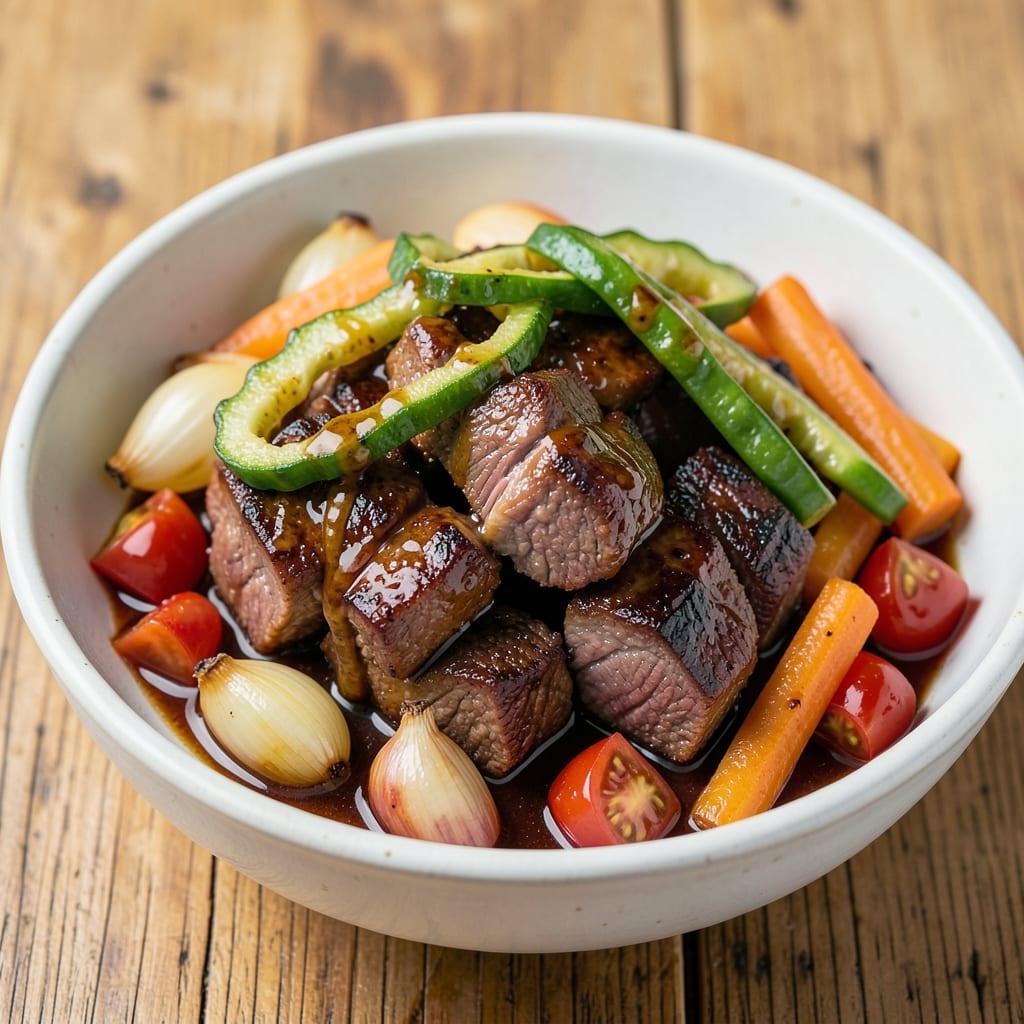
This ampalaya con beef recipe delivers the comforting flavors of Filipino home cooking, where tender beef and silky squash blend into a rich tomato gravy. The dish transforms tough cuts into melt-in-your-mouth bites through slow simmering, creating a harmony of savory, slightly sweet, and tangy notes that define Filipino stews. What makes this recipe special is its balance—juicy beef cubes, delicate squash florets, and a velvety sauce that coats every ingredient perfectly.
The secret lies in proper preparation: searing the beef first to lock in flavor, then braising it with aromatic vegetables until fork-tender. The squash adds a subtle sweetness that complements the beef's richness, while tomatoes create a luscious, slightly thickened gravy. This method ensures every bite is packed with texture and depth, making it a satisfying meal that pairs beautifully with steamed rice or garlic fried rice.
What you'll achieve is a tender beef stew where the meat falls apart easily, and the squash remains just firm enough to hold its shape. The sauce should be silky, clinging to each ingredient without being overly thick. This dish captures the essence of Filipino comfort food—warm, hearty, and full of familiar flavors that bring a taste of home to any table.
For added richness, some variations include liver or coconut milk, but the classic version relies on the natural flavors of beef, squash, and tomatoes. Whether you're cooking for family gatherings or a cozy weeknight dinner, this recipe delivers restaurant-quality results with simple ingredients and a foolproof technique.
Ingredients for ampalaya con beef
Juicy beef, tender squash, and aromatic vegetables create a rich Filipino stew with melt-in-your-mouth texture.
| Ingredient | Amount | Notes |
|---|---|---|
| Beef Chuck Roast 🥩 | 1 ½ lb | Cut into 1-inch cubes |
| Ampalaya (Bitter Melon) 🍆 | 1 lb | Florets cut into bite-sized pieces |
| Yellow Onions 🧅 | 1 whole | Thinly sliced |
| Garlic Cloves 🧄 | 6 cloves | Minced |
| Tomatoes 🍅 | 2 medium | Diced, ripe |
| Carrots 🥕 | 2 medium | Sliced into rounds |
| Potatoes 🥔 | 2 medium | Peeled, cubed |
| Bay Leaves 🌿 | 2 whole | Dried |
| Salt 🧂 | 1 ½ tsp | Kosher or sea salt |
| Black Peppercorns 🌶️ | 1 tsp | Ground fresh |
| Soy Sauce 🥢 | 2 tbsp | Regular or light |
| Olive Oil 🫒 | ½ cup | For searing |
| Water 💧 | 2 cups | For braising |
| Tomato Paste 🍅 | 2 tbsp | Smooth, not chunky |
The beef cut matters here—chuck roast delivers that signature fall-apart tenderness. Costco or local butchers often sell it pre-cubed, saving you time. If buying whole, ask for the chuck section near the shoulder. Ampalaya (bitter melon) should be firm with no soft spots—Asian markets usually carry it fresh, but frozen florets work in a pinch. The tomatoes and carrots? Any ripe, firm produce will do, but heirloom tomatoes add extra depth if you want to splurge. For the potatoes, Yukon Golds hold their shape best during braising.
No soy sauce? Coconut aminos or even a pinch of salt plus a splash of vinegar gets you close. Fresh bay leaves are ideal, but dried works fine at double the amount. The tomato paste can be skipped if you're using extra tomatoes, but it adds that rich, concentrated flavor. For the squash, if you can't find ampalaya, zucchini or eggplant florets mimic the texture—though the flavor won't be identical. The potatoes? Russets are fine, but Yukon Golds stay creamier. And if you're short on time, pre-cut frozen veggies save chopping effort without sacrificing quality.
This dish tastes even better the next day as flavors meld—plan ahead. Store in an airtight container for up to 5 days in the fridge, or freeze portions for 3 months. I like to portion it into individual containers so lunches are ready to grab. The beef and veggies reheat beautifully, though you might want to add a splash of water or broth if it's too thick. For serving, keep the rice warm in a rice cooker—it stays perfect for hours.
Why You'll Love This Recipe
- One-Pot Magic: I swear by this recipe—just brown the beef, toss in the chopped ampalaya (no peeling needed, really), and let the onions and garlic work their flavor while you stir. The bitter melon softens into sweetness right in the pot, so no extra cleanup.
- Rich & Tangy: That slow-cooked beef chuck turns fork-tender, while the tomatoes and onions caramelize into a glossy sauce. Honestly, the balance of bitter, sweet, and savory hits different—like a hug in a bowl.
- Lunchbox Hero: Between us, this reheats like a dream. Pack the leftovers for lunch, and the beef stays juicy while the ampalaya holds its texture. My kids actually ask for it—yes, even on a Tuesday.
- Budget Powerhouse: A pound of beef chuck and a whole bitter melon stretch for four servings, and the flavors get better the next day. I’ll be real: it’s my go-to when I need hearty meals without breaking the bank.
Step-by-step instructions for ampalaya con beef
This method delivers melt-in-your-mouth beef and tender vegetables in a rich tomato gravy.
Sear the Beef Chuck Roast
Heat 0.5 cup olive oil in a large Dutch oven over medium-high heat until shimmering. Add the 1.5 lb beef chuck roast cut into 1-inch cubes, working in batches if needed to avoid crowding. Sear for 3-4 minutes per side until the beef develops a deep golden brown crust.
This searing step is crucial—it locks in flavors and creates that rich, caramelized foundation for your dish. Don't rush this step; you'll know it's ready when the beef releases easily from the pan. Remove the seared beef and set aside on a plate.
Sauté the Vegetables and Aromatics
In the same Dutch oven, add 1 whole yellow onions sliced thin and 2 medium carrots sliced into rounds. Cook for 5 minutes until the onions soften and begin to caramelize slightly. Add 2 medium potatoes peeled and cubed, and cook for another 3 minutes to warm through.
Next, add 6 cloves garlic cloves minced and 1 lb ampalaya (bitter melon) cut into bite-sized florets. Cook for 2-3 minutes until the garlic becomes fragrant and the ampalaya begins to soften. This step develops the vegetable flavors while preventing the ampalaya from becoming mushy.
Build the Tomato Gravy Base
Stir in 2 tbsp tomato paste and cook for 1 minute to toast slightly, deepening its flavor. Pour in 2 cups water and add the 2 whole bay leaves. Return the seared beef to the pot, along with 1.5 tsp salt and 1 tsp black peppercorns freshly ground. Bring to a gentle simmer over medium-low heat.
Here's where the magic happens: the tomato paste blends with the beef juices to create a silky gravy. Keep the mixture at a gentle simmer for 45-50 minutes, partially covered, until the beef becomes fork-tender and the vegetables are perfectly cooked. Stir occasionally to prevent sticking.
Finish with Soy Sauce and Seasoning
Once the beef is tender, stir in 2 tbsp soy sauce and cook for an additional 5 minutes to allow the flavors to meld. Taste and adjust seasoning if needed—this is your chance to balance the dish. The soy sauce adds depth and rounds out the flavors of the bitter melon and rich beef.
Remove the bay leaves before serving. The dish should have a velvety tomato gravy that coats the beef and vegetables beautifully. Serve immediately while the beef is still juicy and the vegetables retain their bite.
Pro Tips For Making Ampalaya Con Beef
- SEAR THE BEEF FIRST: Don’t skip browning the chuck roast—those dark bits add depth that simmering alone can’t match. I used to rush this step, and the sauce always tasted flat until I committed to 3-4 minutes per side until deep golden.
- PEEL THE AMPALAYA: Bitter melon’s skin is tough and bitter—peel it like you would an apple before slicing. I learned this the hard way when I left the skin on and ended up with a mushy, unpleasantly textured dish.
- SOFTEN ONIONS LOW AND SLOW: Caramelizing onions for this dish is overkill—just cook them until translucent (about 5 minutes) to avoid a sweet, cloying flavor. My grandmother swore by this, and she was right: they should melt into the sauce, not dominate it.
- USE TOMATO PASTE, NOT JUICE: Skip the canned tomatoes for a smoother sauce—2 tablespoons of tomato paste mixed with the beef broth thickens the stew and balances the bitterness. Sounds weird, but it works: the acidity cuts through the richness without adding chunks.
Pro cooking tips for ampalaya con beef
Sear Like a Pro
Searing the beef is where the magic starts—don’t skimp on time or oil. Use a large Dutch oven (like All-Clad or Le Creuset) to ensure even browning. Heat the 0.5 cup olive oil until it shimmers at 350°F—use an infrared thermometer for precision. Work in batches if needed, but never overcrowd the pan. The goal is a deep golden crust that locks in flavor and prevents dryness. 🔥
Vegetable Timing Tricks
The order matters! Start with onions and carrots—they need 5 minutes to soften and caramelize. Add potatoes last, just 3 minutes before garlic and ampalaya. This prevents the potatoes from turning mushy while the squash stays tender-crisp. For ampalaya, cut it into 1-inch florets and blanch in boiling water for 1 minute first to mellow its bitterness. Drain well before adding to the pot.
Tomato Gravy Secrets
The tomato paste is your flavor multiplier—cook it for 1 full minute to deepen its richness before adding water. A gentle simmer (not a boil) prevents the sauce from breaking. If the gravy thickens too much, add 1-2 tbsp water to maintain that silky texture. Pro tip: Deglaze the pot with 1 tbsp beef broth after removing the beef to scrape up all those flavorful browned bits.
Soy Sauce Timing
Add the 2 tbsp soy sauce only in the final 5 minutes—this prevents it from turning bitter during the long braise. For extra depth, use light soy sauce (like Kikkoman) instead of dark. If your dish needs more umami, add 1 tsp fish sauce or ½ tsp MSG during the last 10 minutes of cooking. Taste as you go—Filipino dishes often rely on balancing sweet, salty, and umami.
Braising Temperature Control
Keep the heat at medium-low to maintain a gentle simmer (around 190°F). Too high, and the beef toughens; too low, and the vegetables turn to mush. Use a meat thermometer to check the beef—it should reach 195°F for perfect tenderness. If the liquid reduces too quickly, add 2 tbsp water every 15 minutes to keep everything moist. A heavy pot (like Lodge cast iron) helps distribute heat evenly.
Resting and Serving
Let the stew rest for 10 minutes off the heat before serving—this lets the beef reabsorb juices. Skim excess fat if needed, but leave some for richness. Serve with steamed jasmine rice or garlic fried rice to soak up the gravy. For extra flair, garnish with chopped green onions or a sprinkle of toasted sesame seeds. The dish tastes even better the next day as flavors meld! ✨
Nutrition facts
Frequently asked questions
Can I substitute ampalaya if I can't find it?
Yes! For a similar texture, use zucchini or eggplant florets—they mimic the bite when cooked properly. For flavor, add ½ tsp salt and a pinch of sugar to offset any bitterness. Avoid overly watery vegetables like cabbage, which can dilute the rich gravy.
Why does my beef turn out tough instead of tender?
Overcooking or high heat are the usual culprits. Use a meat thermometer to check for 195°F—never guess! Also, ensure you're searing the beef first to lock in juices, and maintain a gentle simmer (not a boil) during braising. Crowding the pot can also trap steam, making the meat tough.
How can I make this dish spicier?
Add 1-2 tbsp chopped siling labuyo (Filipino chili) or ½ tsp cayenne pepper with the soy sauce in the final 5 minutes. For heat control, remove seeds from the chili. For smoky depth, add ½ tsp smoked paprika when sautéing the aromatics—it enhances the beef's richness without overpowering.
Can I make this recipe in a slow cooker?
Brown the beef first in a skillet, then transfer everything to the slow cooker. Cook on low for 6-7 hours or high for 3-4 hours. The slow cooker's gentle heat ensures tender beef without drying it out. Add ½ cup water if the mixture looks too thick during cooking.
What's the best way to store leftovers?
Store in an airtight container in the fridge for up to 5 days. For freezing, portion into individual containers for easy reheating. Thaw overnight in the fridge, then reheat gently on the stove with 1-2 tbsp water to restore the silky gravy texture. Leftovers actually improve as flavors meld!