
Main Courses
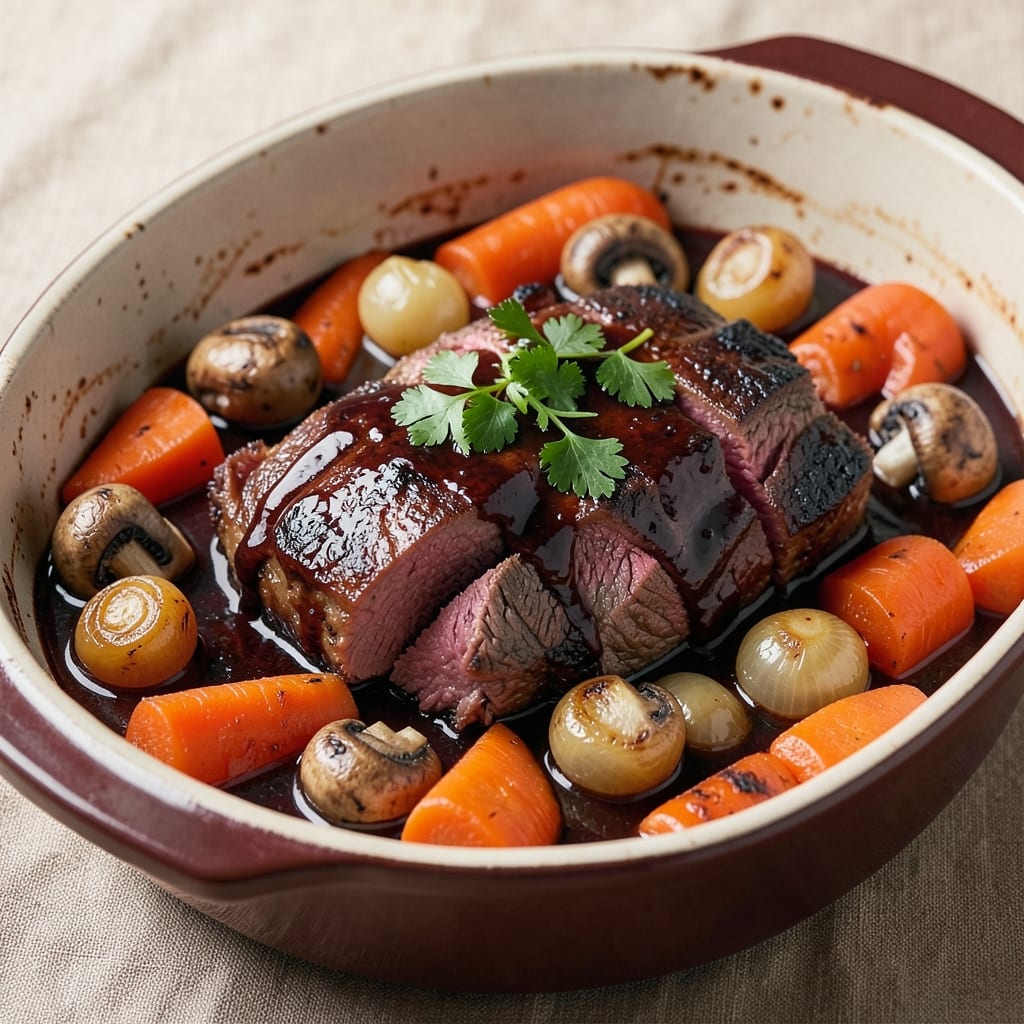
America's Test Kitchen's beef burgundy delivers restaurant-quality depth with a methodical approach that transforms simple ingredients into a rich, wine-braised masterpiece. The secret lies in proper meat searing and slow reduction, creating a sauce so velvety it coats every bite. This isn't your average beef stew—it's a French-inspired classic with layers of umami from mushrooms and caramelized beef.
What sets this recipe apart is the precision in technique: browning beef in batches prevents crowding, while deglazing captures every flavorful bit. The red wine reduction happens gradually, allowing alcohol to evaporate while developing complex flavors. You'll end up with tender beef chunks swimming in a sauce that's rich yet balanced, with just enough acidity to cut through the richness.
The result is a dish that feels special enough for company but straightforward enough for weeknights. Each component comes together methodically—seared beef, sautéed mushrooms, and a sauce that develops depth through careful reduction. This is comfort food elevated, where every technique serves a purpose in creating that signature Burgundy flavor.
Perfect for feeding a crowd or meal prepping for the week, this recipe delivers restaurant-quality results with home-cook simplicity. The slow cooking process means flavors meld beautifully, making it even better the next day. Let's get started on this timeless classic that proves great food doesn't require complicated techniques—just precise execution.
Ingredients for america's test kitchen beef burgundy
Sixteen precise ingredients transform into a velvety wine-braised masterpiece with layers of umami and depth.
| Ingredient | Amount | Notes |
|---|---|---|
| Chuck Roast 🥩 | 3 lb | Well-marbled, cut into 1.5-inch cubes |
| Dry Red Wine 🍷 | 1 ½ cups | Bold variety like Cabernet Sauvignon |
| Beef Broth 💧 | 3 cups | Low-sodium preferred, homemade or quality store-bought |
| Pearl Onions 🧅 | 12 whole | Peeled, halved horizontally |
| Carrots 🥕 | 4 whole | Peeled, cut into 2-inch chunks |
| Cremini Mushrooms 🍄 | 16 whole | Stemmed, quartered |
| Garlic Cloves 🧄 | 6 cloves | Peeled, smashed |
| All-Purpose Flour 🌾 | 2 tbsp | For thickening sauce |
| Tomato Paste 🍅 | 1 tbsp | High-quality, canned |
| Fresh Thyme 🌿 | 2 sprigs | Leaves only |
| Fresh Parsley 🌿 | ¼ cup | Chopped, for garnish |
| Olive Oil 🫒 | 1 tbsp | Extra-virgin, for searing |
| Salt 🧂 | 1 ½ tsp | Diamond Crystal kosher salt |
| Black Peppercorns 🌶️ | 1 tsp | Freshly cracked |
| Bay Leaves 🍃 | 2 whole | Dried, standard size |
The chuck roast is non-negotiable for this dish—its marbling ensures tender, flavorful meat that falls apart with gentle handling. Look for cuts with visible fat streaks at your butcher or grocery store's meat counter. If pre-cubed isn't available, ask for a 3-pound roast to trim yourself. The dry red wine should be bold and dry—Cabernet Sauvignon or Merlot work best, but whatever you have open that's not too sweet will suffice. For the broth, homemade or high-quality store-bought like Kitchen Basics or Pacific Foods makes a noticeable difference in depth of flavor. Pearl onions and carrots should be firm and vibrant—avoid any with soft spots or discoloration.
No bold red wine? Substitute with beef broth and a splash of balsamic vinegar—it won't be identical but will still deliver rich flavors. Fresh thyme is ideal, but dried thyme at one-third the amount works in a pinch. The tomato paste can be replaced with fresh tomatoes if you prefer, though canned offers more concentrated flavor. For the mushrooms, cremini or baby bella provide the best texture, but white button mushrooms will work if that's what's available. The flour used for thickening should be all-purpose, but cornstarch at half the amount creates a glossier finish if you prefer. Always taste the sauce before thickening—sometimes it doesn't need it.
This dish tastes even better the next day as flavors meld further. Store leftovers in an airtight container in the refrigerator for up to 5 days, or freeze for 3 months for future meals. The sauce thickens as it cools, so you may need to add a splash of broth when reheating. For meal prep, portion the beef and sauce separately—reheat the sauce first, then add the beef to warm through. The fresh parsley adds brightness, so add it just before serving. This recipe scales beautifully—double the ingredients for a crowd, but maintain the same ratios to preserve balance.
Why You'll Love This Recipe
- One-Pot Magic: I swear by this—just brown the chuck roast, toss in the wine and broth, and walk away. The onions and carrots practically cook themselves while the meat becomes melt-in-your-mouth tender.
- Wine-Lover’s Dream: That first sip of red wine hitting the pan? Instant flavor upgrade. The deep, savory richness from the chuck roast and beef broth makes every bite taste like a fancy dinner—without the fuss.
- Leftovers That Shine: This dish actually improves the next day. The flavors meld into something even richer, and it reheats like a dream. Pack it for lunches or freeze portions—no one will guess it’s a budget-friendly meal.
- Budget Feast: Chuck roast is my secret for feeding a crowd without breaking the bank. A few dollars of wine and veggies stretch into a hearty meal that feels special, even if it’s just Tuesday night.
Step-by-step instructions for america's Test Kitchen beef burgundy recipe
This slow-braised masterpiece delivers deep wine richness and melt-in-your-mouth beef every time.
Sear the Chuck Roast for Maximum Flavor
Pat the 3 lb chuck roast dry with paper towels and season generously with 1.5 tsp salt and 1 tsp black peppercorns. Heat 1 tbsp olive oil in a large Dutch oven over medium-high heat until shimmering. Add the beef and sear for 4-5 minutes per side until deeply browned—this creates the Maillard reaction that forms the flavor foundation.
Remove the beef and set aside. The key here is patience—don't rush the searing or the beef will cook unevenly. You want a deep, caramelized crust that will later dissolve into the sauce. If the oil starts smoking before the beef is browned, reduce the heat slightly and continue searing.
Sauté Vegetables and Build the Flavor Base
In the same Dutch oven, add 12 whole pearl onions, 4 whole carrots, and 16 whole cremini mushrooms. Cook over medium heat for 8-10 minutes, stirring occasionally, until the onions soften slightly and the mushrooms release their moisture. Remove the vegetables and set aside.
Add 6 cloves garlic cloves and 1 tbsp tomato paste to the Dutch oven. Cook for 1 minute until fragrant, then sprinkle in 2 tbsp all-purpose flour and stir constantly for 30 seconds to remove any raw flour taste. This flour will later thicken the sauce beautifully.
Deglaze with Wine and Add Broth
Pour in 1.5 cups dry red wine and scrape up all the browned bits from the bottom of the pot—this is where all the flavor lives. Simmer for 5 minutes until the wine reduces by half. Add 3 cups beef broth, 2 sprigs fresh thyme, and 2 whole bay leaves, then return the beef and vegetables to the pot.
The wine should smell rich and concentrated by now, with notes of fruit and earthiness. If you taste it at this stage, you'll notice how the alcohol has cooked off slightly, leaving behind deeper flavors. Bring the mixture to a gentle simmer—you want bubbles that break the surface occasionally but don't boil vigorously.
Slow-Braise Until Fork-Tender
Cover the Dutch oven and transfer to a 325°F oven. Braise for 3 hours, then carefully flip the beef and stir the vegetables. Return to the oven and cook for another 1.5 hours until the beef is fork-tender and pulls apart easily. The internal temperature should reach 200-205°F—this is crucial for that fall-apart texture.
Don't peek during cooking—each time you open the lid, you lose heat and moisture. The beef will continue cooking slightly after removal, so aim for just before it reaches your target temperature. The sauce should now be thick and glossy, with a deep burgundy color that hints at the wine's richness.
Finish and Garnish for Restaurant-Quality Presentation
Remove the beef and vegetables from the pot and transfer them to a serving platter. Strain the cooking liquid through a fine-mesh sieve into a clean saucepan, pressing on the solids to extract maximum flavor. Return the strained liquid to the Dutch oven and simmer over medium heat for 5-7 minutes until slightly thickened.
Discard the thyme sprigs and bay leaves, then stir in 0.25 cup chopped fresh parsley. Taste and adjust seasoning with additional salt if needed. Spoon the sauce over the beef and vegetables, garnishing with extra parsley. Serve immediately with crusty bread or mashed potatoes to soak up every last drop of that luxurious sauce.
Pro Tips For Making America'S Test Kitchen Beef Burgundy
- Sear the Chuck Roast Hard: The recipe calls for browning the meat, but I’ve learned not to skimp—get that pan smoking before adding the roast. Five minutes per side with a heavy skillet and a little oil makes the difference between flavorful and forgettable.
- Trim Those Onions Properly: Pearl onions come pre-peeled, but don’t just toss them in whole—they’ll turn to mush. Cut a small "X" on the flat side of each to help them soften evenly. (Yes, it’s tedious, but they’ll stay intact.)
- Deglaze Immediately: As soon as you remove the roast, pour in that red wine right away while the pan is still hot. Scrape every last bit of browned bits—this is where the flavor lives. Let it reduce by half before adding broth.
- Check Internal Temp Twice: The recipe says 203°F for fork-tender beef, but I’ve burned through a thermometer’s worth of batteries learning this: pull it at 195°F, tent with foil, and let it rest. The residual heat will carry it to perfection. (No, it won’t dry out.)
Serving suggestions for this america's test kitchen beef burgundy
Classic Bread Pairings
Serve this rich beef burgundy with crusty French baguette—its sturdy crust stands up to the sauce while soaking up every last drop. I recommend a baguette from a local bakery or a sourdough loaf for extra tang. Warm the bread in the oven at 350°F for 5 minutes before serving to enhance its texture and aroma. 🥖
Starchy Sides
Creamy garlic mashed potatoes provide the perfect contrast to the wine's acidity. Use Yukon Gold potatoes boiled until tender, then mashed with butter, warm milk, and roasted garlic. For extra richness, fold in crumbled Gruyère cheese. Alternatively, wild rice pilaf adds a nutty depth that complements the beef's umami. 🥔
Fresh Greens
A simple arugula salad with lemon vinaigrette cuts through the dish's richness. Toss 4 cups baby arugula with 2 tbsp olive oil, 1 tbsp lemon juice, and a pinch of flaky sea salt. Add thinly sliced radishes for crunch. The peppery greens refresh your palate between bites of the hearty main. 🌿
Wine Pairings
Serve with the same bold red wine used in the recipe—Cabernet Sauvignon or Merlot—to enhance the dish's flavors. If you prefer white, a full-bodied Chardonnay with oak notes complements the sauce's richness. For beer lovers, a Belgian Dubbel or dark ale adds a malty contrast. 🍷
Make-Ahead Serving
This dish tastes even better the next day! Store components separately in airtight containers—beef and vegetables in one, sauce in another. Reheat the sauce first, then add the beef to warm through. Garnish with fresh parsley right before serving to maintain brightness. 💫
Garnish Finishing
Add toasted breadcrumbs or crispy fried shallots for texture contrast. For a pop of color, sprinkle with chopped chives or microgreens. A drizzle of truffle oil (just ½ tsp) elevates the dish to restaurant-quality luxury. Use sparingly—it's potent! 🌟
Nutrition facts
Frequently asked questions
Can I substitute the chuck roast with another cut of beef?
While chuck roast is ideal for its marbling and tenderness, you can use chuck shoulder or stew beef in a pinch. Avoid lean cuts like sirloin—they won't become tender enough during braising. If using a different cut, increase cooking time by 30-60 minutes to ensure fork-tender results.
Why does the recipe call for browning the beef in batches?
Browning in batches prevents overcrowding, which steams the beef instead of searing it. This creates the Maillard reaction—the chemical process that forms deep, complex flavors. Crowded pans lead to uneven cooking and a less flavorful dish. Patience here makes all the difference!
How do I know when the beef is fully cooked?
The beef is done when it reaches an internal temperature of 200-205°F and pulls apart easily with a fork. If you don't have a meat thermometer, cut into the thickest piece—it should look moist and crumbly, not pink. The sauce will thicken further as it rests, so don't over-reduce it before serving.
Can I make this dish in a slow cooker instead of the oven?
Yes! Brown the beef and vegetables as directed, then transfer everything to a 6-quart slow cooker. Add the wine, broth, and aromatics, then cook on low for 8 hours or high for 5 hours. The sauce may be thinner—simmer it on the stovetop afterward to thicken. The texture will be slightly different but still delicious.
What's the best way to reheat leftovers?
Reheat leftovers gently in a saucepan over low heat or in the oven at 300°F until warmed through. For best results, reheat the sauce first, then add the beef to warm through. Add a splash of broth if the sauce thickens too much. Leftovers taste even better the next day as flavors meld further!