
Main Courses
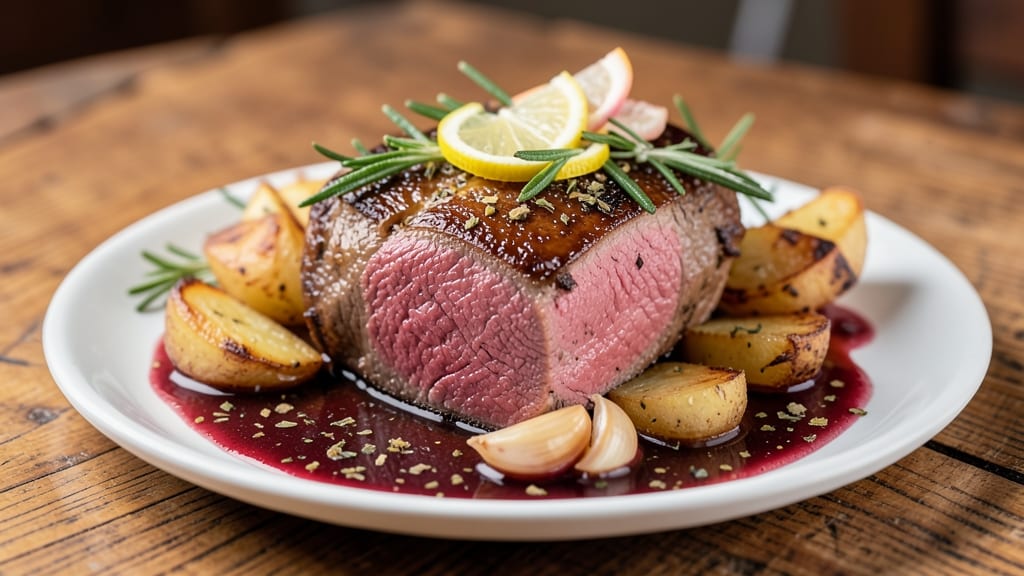
Alton Brown’s beef tenderloin recipe delivers a juicy core with a perfect crust—the kind of restaurant-quality result that makes weeknight dinners feel like a special occasion. 🌟 I’ve adapted his signature techniques to create a foolproof method that balances precision with approachability, ensuring tender meat with a flavorful herb crust every time.
The secret lies in precise temperature control and a well-seasoned crust that locks in moisture while creating that coveted golden-brown exterior.
This recipe transforms a simple cut of beef into a showstopping centerpiece with minimal effort. You’ll start with a dry brine to enhance tenderness, then sear the tenderloin to develop deep flavor before finishing it in the oven.
The herb crust—made with fresh rosemary, thyme, and garlic—adds aromatic complexity without overpowering the beef’s natural richness. It’s the kind of dish that feels impressive yet remains accessible for home cooks.
By the time you serve this dish, you’ll have perfectly tender beef with a crispy, flavorful crust that holds together beautifully. The internal temperature will be precise, ensuring no dryness or toughness, while the crust adds texture and depth.
This is the kind of beef tenderloin that makes guests ask for seconds—and leaves you feeling like a seasoned chef. Let’s get started!
Whether you’re cooking for a holiday gathering or a casual dinner with family, this recipe scales effortlessly. Pair it with roasted vegetables or a simple red wine reduction for a complete meal.
The techniques here are tried-and-tested, so you can focus on enjoying the process rather than stressing over details. Here’s how to make it happen!
Ingredients for alton brown beef tenderloin
Fourteen simple ingredients transform a humble cut into a restaurant-worthy centerpiece.
| Ingredient | Amount | Notes |
|---|---|---|
| Beef Tenderloin 🥩 | 3 lb | Center-cut, trimmed of silver skin |
| Kosher Salt 🧂 | 1 ½ tbsp | Diamond Crystal preferred, coarse grain |
| Fresh Rosemary 🌿 | ¼ cup | Finely chopped, stems removed |
| Fresh Thyme 🌿 | ⅛ cup | Leaves only, stems discarded |
| Garlic Cloves 🧄 | 6 cloves | Minced, for crust and brine |
| Extra-Virgin Olive Oil 🫒 | ½ cup | For crust and searing |
| All-Purpose Flour 🌾 | ¼ cup | For dusting tenderloin |
| Black Peppercorns 🌶️ | 1 ½ tsp | Freshly cracked, coarse grind |
| Unsalted Butter 🧈 | 4 tbsp | Cold, cubed, for crust |
| Red Wine 🍷 | ½ cup | Dry, like Cabernet Sauvignon |
| Beef Bone Broth 🍲 | ½ cup | Low-sodium, for deglazing |
| Fresh Parsley 🌿 | ⅛ cup | Chopped, for garnish |
The beef tenderloin is the star—center-cut with visible marbling ensures tenderness. Skip the pre-trimmed packages at Whole Foods or your butcher counter and ask for the silver skin removed. It’s worth the extra minute to check for even thickness; Costco often has beautifully trimmed tenderloins if you’re feeding a crowd. For the herbs, Trader Joe’s sells pre-chopped rosemary and thyme in jars, but fresh from the grocery store’s produce section has more aroma. The garlic? Organic cloves with papery skins—no need for fancy varieties here, just make sure they’re plump and firm.
No rosemary? Fresh thyme doubled works, but the earthy pine notes are key. Short on red wine? Dry sherry or beef broth mimics the acidity. The flour is just for dusting—don’t skip it, but no need for fancy cake flour. For the crust, cold butter cubes create flaky layers, so don’t let them soften. Pre-minced garlic? Freshly minced adds brightness, but jarred in a pinch (just drain the oil). The bone broth should be low-sodium—you’re adding just enough to deglaze, not season the whole dish.
The tenderloin keeps 3-4 days in the fridge, wrapped tightly in plastic. For leftovers, slice against the grain and reheat in a 350°F oven for 15 minutes with a splash of broth. The herb crust reheats beautifully—just cover with foil to prevent drying. Freeze portions for up to 3 months by wrapping tightly in butcher paper, then foil. Garnish with parsley right before serving—it wilts fast under heat.
Why You'll Love This Recipe
- Two-Ingredient Magic: I swear by the simplicity of this—just salt, herbs, and time. No fancy rubs, no basting drama. Honestly, the beef practically cooks itself while you sip wine and pretend you’re a sous chef.
- Crispy-Garlicky Bliss: That first bite? The rosemary and thyme caramelize into something earthy, while the garlic cloves add a punch that lingers. Between us, it’s the kind of flavor that makes you close your eyes mid-chew.
- Weeknight to Dinner Party: Throw it on the grill or in the oven—same great result. I’ve served it to skeptical in-laws (they asked for seconds) and thrown it together on Tuesdays when I couldn’t be bothered with fuss.
- Leftovers That Don’t Suck: Cold slices the next day? Still buttery and rich. Slice thin, toss in a salad, or reheat with a splash of red wine. My freezer’s full of it, and I’m not ashamed—it’s that good.
Step-by-step instructions for herb-crusted beef tenderloin
Here's the method that delivers a perfectly tender center with a golden, herb-encrusted crust every time.
👨🍳 Step 1: Prepare the Herb Crust Mixture
In a medium bowl, combine the 0.25 cup fresh rosemary, 0.125 cup fresh thyme, 6 cloves garlic cloves, 1.5 tsp black peppercorns, and 0.25 cup all-purpose flour. Pulse in a food processor or finely chop by hand until you achieve a coarse, even texture—this ensures maximum flavor distribution without turning to paste.
Add the 0.5 cup extra-virgin olive oil and mix until the herbs are fully coated and the mixture resembles wet sand. This oil acts as a binder for the crust while adding richness. Press the mixture between your fingers to check consistency—it should hold together when squeezed but still be crumbly. If too dry, add 1 teaspoon olive oil; if too wet, sprinkle in 1 teaspoon flour.
🔥 Step 2: Season and Crust the Tenderloin
Pat the 3 lb beef tenderloin dry with paper towels—this is critical for achieving a proper crust. Working quickly, rub the entire surface with the 1.5 tbsp kosher salt until evenly distributed. Let it sit at room temperature for 30 minutes while you prepare the oven.
Preheat your oven to 425°F. Place the tenderloin on a wire rack set inside a rimmed baking sheet. Spread the herb crust mixture evenly over the entire surface, pressing gently to adhere. The crust should be ¼-inch thick—don't worry if it looks uneven, as the oven's heat will help it set uniformly. Place the 4 tbsp unsalted butter (cold, cubed) on top for extra richness and browning.
🔥 Step 3: Roast to Perfect Medium-Rare
Roast the tenderloin in the preheated oven for 25-30 minutes until the internal temperature reaches 125°F (measured with a meat thermometer in the thickest part). Here's the thing—don't overcook! The crust will continue developing as it rests, and the center will rise 5-10°F during this time. You want that juicy, pink center with a firm exterior.
When the timer goes off, transfer the tenderloin to a cutting board and tent loosely with foil. Let it rest for 15-20 minutes—this is non-negotiable. The resting period allows the juices to redistribute, preventing them from pooling on your plate. If you cut into it too soon, all that beautiful flavor will run out.
🍳 Step 4: Create the Red Wine Reduction
While the tenderloin rests, place the baking sheet on the stovetop over medium-high heat. Add the 0.5 cup red wine and scrape up all the browned bits from the bottom of the pan (this is called deglazing). Let it simmer for 3-4 minutes until reduced by half. Then add the 0.5 cup beef bone broth and continue simmering until the sauce thickens to a glossy consistency—about 5-6 minutes. This sauce will elevate your dish from good to spectacular.
Strain the sauce through a fine-mesh sieve to remove any herb particles if you prefer a smooth finish. Keep it warm until ready to serve. The sauce should coat the back of a spoon and have a rich, winey aroma with underlying meaty notes.
🍽️ Step 5: Slice and Serve with Garnish
After resting, slice the tenderloin into 1-inch thick medallions against the grain for maximum tenderness. The center should be medium-rare with a firm, golden crust that's slightly crisp. Arrange the slices on a warm platter and spoon the red wine reduction generously over the top.
Garnish with the 0.125 cup fresh parsley just before serving. The parsley adds a bright, fresh contrast to the rich, herby crust. Serve immediately with roasted vegetables or a simple salad to complement the dish's elegance. Each bite should deliver that perfect balance of tender, juicy meat with a flavorful crust that's neither too heavy nor too light.
Pro Tips For Making Alton Brown Beef Tenderloin
- Sear First, Roast Slow: Alton’s method starts with a screaming-hot pan—don’t skimp on the sear. After browning, transfer the tenderloin to a 425°F oven for 15 minutes before dropping to 325°F. I used to rush this step and ended up with uneven doneness. The high-heat kick gives flavor; the slow finish guarantees juicy perfection.
- Trim the Fat Cap: That little fat cap on the tenderloin? Cut it off before seasoning. It renders unevenly and can turn your pan into a grease fire. I learned this the hard way—now I trim it first, then salt and sear. The meat stays cleaner, and the crust forms faster.
- Salt the Meat Twice: Don’t just salt before searing. After roasting, sprinkle another layer of kosher salt while the tenderloin rests. This step locks in moisture and boosts flavor—my grandmother swore by it, and she was right. Yes, it sounds like overkill, but it works.
- Use Room-Temp Garlic: Cold garlic cloves in the butter? They’ll steam instead of infuse. Take the time to let them sit out for 10 minutes before slicing. I was skeptical until I tried it—the butter gets golden and aromatic, not bland. Worth the wait.
Best sauces and condiments for this alton brown beef tenderloin
Red Wine Reduction
The red wine reduction in this recipe is where the magic happens—it transforms simple pan drippings into a luxurious sauce that ties everything together. I use ½ cup dry Cabernet Sauvignon because its bold tannins complement the beef’s richness without overpowering it.
Deglaze the pan immediately after removing the tenderloin while it’s still hot—this ensures you capture all those precious browned bits (fond) that pack serious flavor. 🍷
For depth, I add ½ cup low-sodium beef bone broth after reducing the wine. The broth adds umami and helps thicken the sauce naturally. If your sauce reduces too quickly, whisk in 1 teaspoon cold butter at the end to create a silky, glossy finish.
This sauce should coat the back of a spoon but remain pourable—think of it as a cross between a pan sauce and a light gravy.
Herb Butter Glaze
If you prefer something lighter, an herb butter glaze is my go-to alternative. Melt 4 tablespoons unsalted butter with 1 tablespoon fresh rosemary, 1 tablespoon fresh thyme, and 2 minced garlic cloves over low heat.
Strain through a fine-mesh sieve to remove any herb bits, then drizzle generously over the sliced tenderloin. The butter’s richness enhances the crust while keeping the dish lighter than a wine reduction. 🧈
Chimichurri Sauce
For a bright, herb-forward contrast, chimichurri cuts through the richness beautifully.
Blend ½ cup fresh parsley, ¼ cup fresh cilantro, 3 garlic cloves, 2 tablespoons red wine vinegar, ½ cup extra-virgin olive oil, 1 teaspoon red pepper flakes, and 1 teaspoon kosher salt until chunky.
Spoon it alongside the sliced tenderloin or drizzle it over the top for a vibrant pop of color and acidity. This South American favorite adds freshness without competing with the beef’s flavor. 🌿
Caramelized Onion Topping
Caramelized onions add a sweet, jammy contrast that pairs perfectly with the herb crust. Slice 2 large yellow onions thinly and cook them in 2 tablespoons butter over medium-low heat for 30-40 minutes, stirring occasionally, until deep golden brown.
Pile them artistically on top of the sliced tenderloin just before serving—their sweetness balances the savory crust. For extra depth, finish with a sprinkle of fleur de sel. 🧅
Whiskey Pan Sauce
Swap the red wine for ½ cup bourbon or rye whiskey to create a smoky, caramelized pan sauce with depth. Deglaze the pan as usual, then reduce the whiskey until it’s nearly evaporated (about 5 minutes).
Add ½ cup beef broth and simmer until thickened. Finish with 1 tablespoon brown sugar to enhance the caramelization. This sauce adds a subtle smokiness that pairs wonderfully with the herb crust. 🥃
Nutrition facts
Frequently asked questions
Can I substitute fresh herbs with dried ones in the crust?
You can, but dried herbs won't provide the same aromatic punch. If using dried, reduce the amount to 1 tablespoon for every ¼ cup of fresh herbs called for. For example, use 1 tablespoon dried rosemary instead of ¼ cup fresh. The crust will still adhere, but the flavor complexity will be less vibrant. Fresh herbs release their oils more effectively during cooking.
How do I adjust the cooking time for a larger or smaller tenderloin?
Use the 20-minute rule for a 3 lb tenderloin at 425°F. For every pound over 3 lbs, add 10-15 minutes to the roasting time. For smaller cuts (2 lbs), reduce by 5-7 minutes. Always use a meat thermometer—aim for 125°F internal temperature for medium-rare. The resting time remains critical regardless of size.
Why is my crust falling off the tenderloin?
This usually happens when the crust mixture is too wet or the beef isn't properly dried before seasoning. First, ensure your tenderloin is completely dry with paper towels. Second, adjust the crust consistency—it should hold when pressed but remain crumbly. If using a food processor, pulse just until combined, not pureed. Press the crust gently but firmly to adhere, and consider lightly searing the beef in a hot pan for 1-2 minutes before roasting.
Can I make this recipe in a slow cooker or Instant Pot?
While possible, these methods won't achieve the same crispy crust or precise doneness. For a slow cooker, sear the tenderloin first, then cook on low for 4-5 hours with the crust mixture. For an Instant Pot, use the sauté function to sear, then cook on high pressure for 20 minutes with natural release. The texture will be more tender than crusty, but still delicious. For best results, stick with the oven method.
How far ahead can I prepare the herb crust mixture?
You can make the crust up to 24 hours ahead and store it in an airtight container in the fridge. The flavors will meld beautifully, and the texture remains ideal. Bring it to room temperature before applying to the tenderloin. For longer storage (1 week), freeze the mixture in portions. Thaw overnight in the fridge before using. The oil helps preserve freshness, but the herbs stay vibrant.