Main Courses
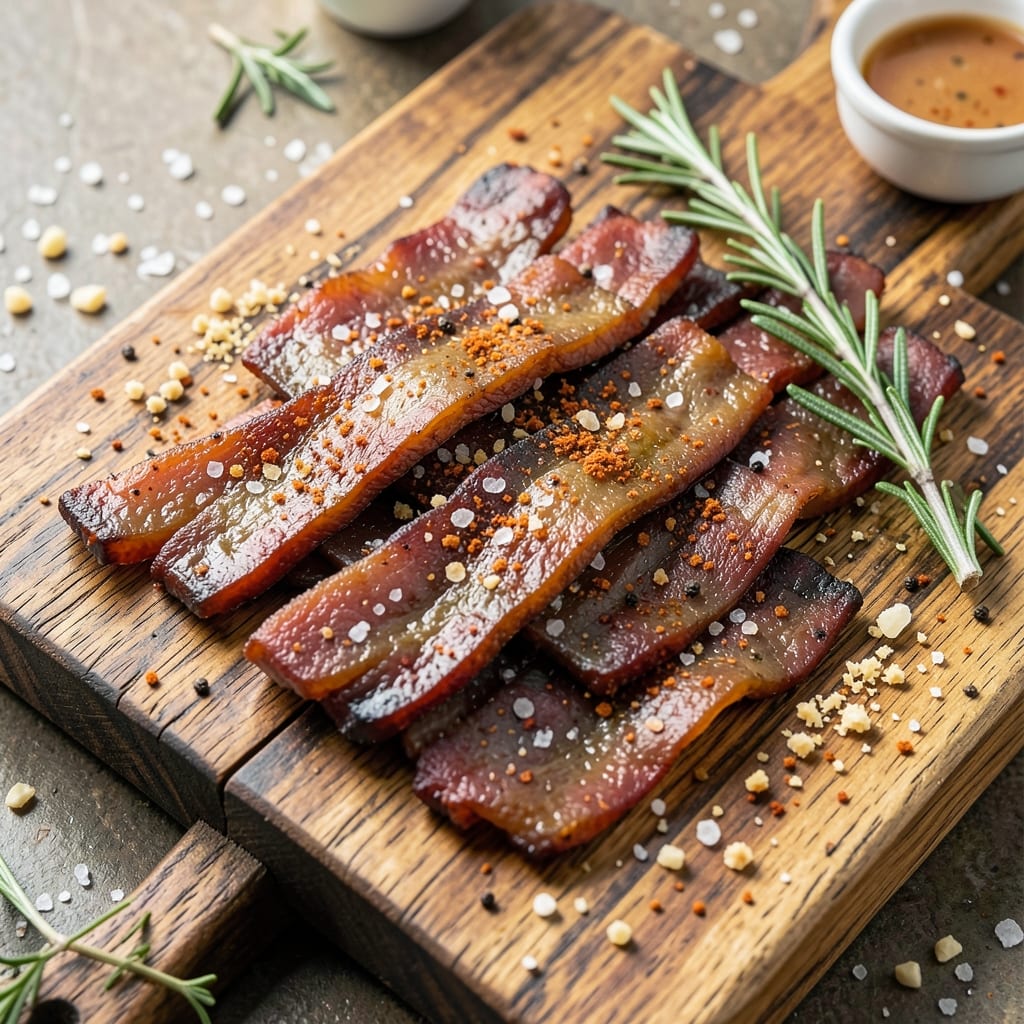
This air-dried beef jerky recipe transforms tough cuts of beef into smoky, spiced chews that pack a punch of protein and flavor. 🔥 The secret lies in selecting lean cuts like top round or flank steak, then marinating them in a blend of spices and a touch of sweetness that caramelizes during drying. Unlike traditional methods that require days of hanging, this recipe delivers restaurant-quality jerky in just 4 hours using your oven or dehydrator.
What sets this method apart is the balance of ingredients: a mix of salt, sugar, and spices creates the perfect environment for safe drying while developing deep, complex flavors. Too much sugar risks browning instead of drying, so we use just enough to enhance the meat's natural sweetness without overpowering it. The result? Jerky that's tender yet firm, with a satisfying snap and a flavor profile that's both smoky and subtly sweet.
The process is straightforward but requires attention to detail—thin, even slicing ensures consistent drying, while proper temperature control prevents spoilage. Whether you're preparing for camping trips, protein bars, or just a tasty snack, this method delivers jerky that's nutrient-dense, shelf-stable, and impossible to resist. The best part? No special equipment beyond what you likely already own.
Once dried, your jerky will keep for weeks in the fridge or months in the freezer, making it the ultimate make-ahead snack. Store it in an airtight container to preserve freshness, and enjoy the satisfaction of creating a protein-packed treat from scratch. Ready to get started?
Ingredients for air dried beef jerky
Lean beef, bold spices, and a touch of sweetness—everything you need for restaurant-quality jerky at home.
| Ingredient | Amount | Notes |
|---|---|---|
| Top Round Beef Roast 🥩 | 1 ½ lb | Lean cut, sliced thin |
| Kosher Salt 🧂 | 2 tbsp | Diamond Crystal preferred |
| Granulated Sugar 🍚 | 1 ½ tbsp | White or brown |
| Black Pepper 🌶️ | 1 tbsp | Freshly cracked preferred |
| Smoked Paprika 🌶️ | 1 tbsp | For smoky depth |
| Garlic Powder 🧄 | 1 tsp | Freshly ground preferred |
| Onion Powder 🧅 | 1 tsp | For subtle sweetness |
| Ground Cayenne Pepper 🔥 | ½ tsp | Adjust for heat |
| Worcestershire Sauce 🍶 | 2 tbsp | Vegetarian if needed |
| Liquid Smoke 🌫️ | 1 tsp | For authentic smokiness |
| Extra-Virgin Olive Oil 🫒 | 1 tbsp | For even coating |
The beef is everything here. Top round or flank steak from the butcher's counter (ask for the leanest cut possible) gives you that perfect chewy texture. Costco or Whole Foods usually have pre-sliced beef jerky cuts in the freezer section—grab those if you're short on time. Slice it yourself? Use a sharp knife and freeze the beef for 30 minutes first—makes slicing thinner strips way easier. Look for good marbling, but not too much fat. The thinner and more even the slices, the better the jerky turns out—aim for about 1/4-inch thickness.
No smoked paprika? Regular paprika plus a pinch of liquid smoke works in a pinch. Too much sugar? Swap half for honey or maple syrup—it adds depth without risking browning. Worcestershire sauce is key for umami, but if you're vegetarian, vegetarian Worcestershire or soy sauce does the trick. The liquid smoke might sound weird, but trust me—it's what gives that authentic campfire flavor. No dehydrator? Your oven on low heat with the door cracked works just as well. Just don't rush it—slow and steady wins the jerky game.
This jerky keeps for 2 weeks in the fridge or 3 months in the freezer. Store it in an airtight container with parchment paper between layers to prevent sticking. For extra shelf life, vacuum-seal it. Pro tip: Portion it into snack-sized bags before freezing—perfect for camping trips or quick protein boosts. Once it's dried, it's shelf-stable at room temperature for about a week, but I always keep mine chilled for maximum freshness.
Why You'll Love This Recipe
- No Fuss Setup: I swear by this method—just slice the beef thin, toss it in a bowl with salt, sugar, and pepper, then let the dehydrator do the work. No marinating overnight, no fancy equipment beyond a sharp knife and a tray.
- Smoky Sweet Bite: That balance of smoked paprika and sugar? It’s like a campfire flavor bomb in every strip. The sugar caramelizes just enough to give it this addictive chew, while the paprika adds depth that makes it taste way more gourmet than it is.
- Weekend Prep Powerhouse: I make a batch every Saturday and stash it in my gym bag, lunchbox, or snack drawer. It’s my go-to for hiking, road trips, or when I’m too tired to cook—no reheating, no mess, just pure protein.
- Budget-Friendly Protein: Top round is affordable, and a single roast stretches into enough jerky to feed me for weeks. Honestly, it’s one of those recipes where the math works out—cheaper than pre-packaged jerky, and way better tasting.
Step-by-step instructions for smoky-spiced beef jerky
Here's how to transform tough top round into irresistible, smoky-sweet chews in just 4 hours!
🔪 Step 1: Freeze and Slice the Beef to Perfect Thickness
First, freeze the 1.5 lb Top Round Beef Roast for 30 minutes to firm it up. This makes slicing much easier. Use a sharp boning knife to slice against the grain into strips about ¼-inch thick—you should get about 40-50 slices total.
I press down firmly on the knife as I cut to ensure clean slices. If any strip feels thicker than ⅛-inch, slice it again. The thinner the slices, the faster they'll dry. Arrange the slices on a baking sheet lined with parchment paper and freeze them again for 1 hour to maintain shape during drying.
👨🍳 Step 2: Mix the Spice Rub in a Bowl
In a medium bowl, combine the 2 tbsp Kosher Salt, 1.5 tbsp Granulated Sugar, 1 tbsp Black Pepper, 1 tbsp Smoked Paprika, 1 tsp Garlic Powder, 1 tsp Onion Powder, and 0.5 tsp Ground Cayenne Pepper. Mix thoroughly with your hands or a fork until the spices are evenly distributed.
This blend creates the perfect balance of smoky, spicy, and slightly sweet flavors. The sugar helps prevent the jerky from drying out too quickly, while the cayenne adds just the right kick. I like to use freshly cracked black pepper here—it makes a noticeable difference in flavor.
🥘 Step 3: Coat the Beef and Marinate for Maximum Flavor
Remove the frozen beef slices from the freezer and place them in a large resealable plastic bag. Pour in the 2 tbsp Worcestershire Sauce and 1 tsp Liquid Smoke, then add the spice mixture. Seal the bag and massage the spices into the beef for about 1 minute until each slice is evenly coated.
Add the 1 tbsp Extra-Virgin Olive Oil and massage again. The oil helps the spices adhere better and adds richness. Let the beef marinate at room temperature for 15 minutes—this gives the flavors time to penetrate the meat before drying begins.
🔥 Step 4: Arrange for Even Drying on a Dehydrator
Preheat your dehydrator to 160°F—this low temperature ensures even drying without cooking the beef. Arrange the marinated beef slices in a single layer on the dehydrator trays, leaving about ½-inch between each slice. Don't overlap them or they won't dry properly.
I like to fan out the slices so they catch maximum airflow. The goal is to dry them completely without burning. Place a small tray of water in the dehydrator to maintain humidity levels—this helps prevent the jerky from becoming too tough.
⏰ Step 5: Dry for 4-6 Hours Until Leather-Like
Dry the beef for 4 hours first, then check for doneness. The jerky should bend slightly but not feel moist when you touch it. If it's still pliable, continue drying for another 1-2 hours, checking every 30 minutes after the initial 4 hours.
You're looking for jerky that's completely dry to the touch with no moisture remaining. The edges should be slightly darker than the center. When you pick up a piece, it should feel firm and leathery—not rubbery or sticky. Let the jerky cool completely in the dehydrator before storing.
Pro Tips For Making Air Dried Beef Jerky
- Freeze First: Pop the sliced beef in the freezer for 30 minutes before drying—it firms up the edges so they don’t curl into sad little spirals while dehydrating. I learned this the hard way after watching my first batch turn into a jerky pretzel.
- Trim the Fat: Use a sharp knife to slice off any visible fat or silver skin from the top round before cutting into strips—it doesn’t dry well and makes the jerky greasy. A quick wipe with paper towels after slicing helps too, even if it feels like extra work.
- Salt Before Slicing: Rub the whole roast with salt and sugar before cutting it into strips—this ensures even distribution and lets the seasoning penetrate deeper. I used to season after slicing, and the edges always tasted flat compared to the rest.
- Fan It Out: Space the strips at least ½ inch apart on the dehydrator tray—crowding traps moisture and turns your jerky into a soggy mess. If your tray’s too small, double up with a second rack or use a wire cooling rack. Trust me, this is the thing that matters most.
Common mistakes when making perfect results
Uneven Slicing
Thick slices dry unevenly, creating rubbery centers while edges overcook. Always slice against the grain into ¼-inch strips—freeze the beef first for cleaner cuts. I use a sharp boning knife and press firmly to avoid tearing. If any slice exceeds ⅛-inch, trim it immediately or it’ll never dry properly. 🔪
Over-Salting
Too much salt draws out moisture too quickly, leaving jerky tough and dry. Stick to 2 tbsp kosher salt for 1.5 lbs beef—Diamond Crystal is less dense than table salt. If your recipe calls for more, reduce sugar slightly to balance. I’ve learned the hard way: salty jerky is inedible jerky.
Skipping the Marinate
Rushing the 15-minute marinate at room temperature prevents spices from penetrating deeply. The Worcestershire and liquid smoke need time to meld with the meat. I’ve seen jerky where spices just sit on the surface—tasteless and bland. Don’t skip this step, even if you’re eager to start drying!
High Heat Drying
Drying at temperatures above 165°F cooks the beef instead of dehydrating it, creating a burnt exterior with a raw center. Your dehydrator or oven should stay at 160°F max. If using an oven, prop the door open slightly with a wooden spoon to allow moisture escape. Patience here is key—rushing leads to spoilage.
Ignoring the Water Tray
Forgetting the water tray in your dehydrator creates a dry environment that toughens jerky. Place a shallow tray of water on the bottom rack to maintain 50-60% humidity. This prevents the edges from drying too fast while the center remains moist. I’ve seen jerky turn into leather without this simple trick!
Storing Improperly
Air exposure ruins jerky faster than you’d think. Store in an airtight container with parchment paper between layers to prevent sticking. For long-term storage, vacuum-seal in quart-sized bags—this extends shelf life to 3 months in the freezer. I once left jerky in a loose bag and found mold after just 10 days. Don’t make that mistake!
Nutrition facts
Frequently asked questions
What's the best cut of beef for homemade air-dried jerky?
Lean cuts like top round or flank steak work best—they have just enough fat to stay tender while drying. Avoid fatty cuts like ribeye, as they'll spoil faster. Ask your butcher for "jerky-grade" beef if available, or look for pre-sliced beef jerky cuts in the freezer section.
Can I use a regular oven instead of a dehydrator?
Preheat your oven to 160°F (no higher) and prop the door open slightly with a wooden spoon. Arrange slices on a wire rack over a baking sheet for airflow. Check every 30 minutes—it may take 6-8 hours total. The key is low, steady heat with good ventilation.
How do I know when the jerky is fully dried?
Test for doneness by bending a slice—it should crack but not feel moist. The edges should be slightly darker than the center, and when you touch it, there should be no moisture at all. If it feels rubbery, it needs more time. Properly dried jerky will keep for weeks in the fridge.
Can I make jerky without sugar?
Yes, but the jerky may dry too quickly and become tough. Replace sugar with honey or maple syrup (1:1 ratio) for moisture retention. If you omit it completely, reduce drying time by 1 hour and monitor closely. The sugar helps balance salt and prevents over-drying.
Why did my jerky turn out too salty?
Kosher salt is less dense than table salt—use 2 tbsp for 1.5 lbs beef. Too much salt draws out moisture too fast, leaving jerky tough and dry. If it happens, soak the jerky in cold water for 10 minutes to reduce saltiness, then pat dry and finish drying at 140°F for 1 hour.