
Soups & Stews
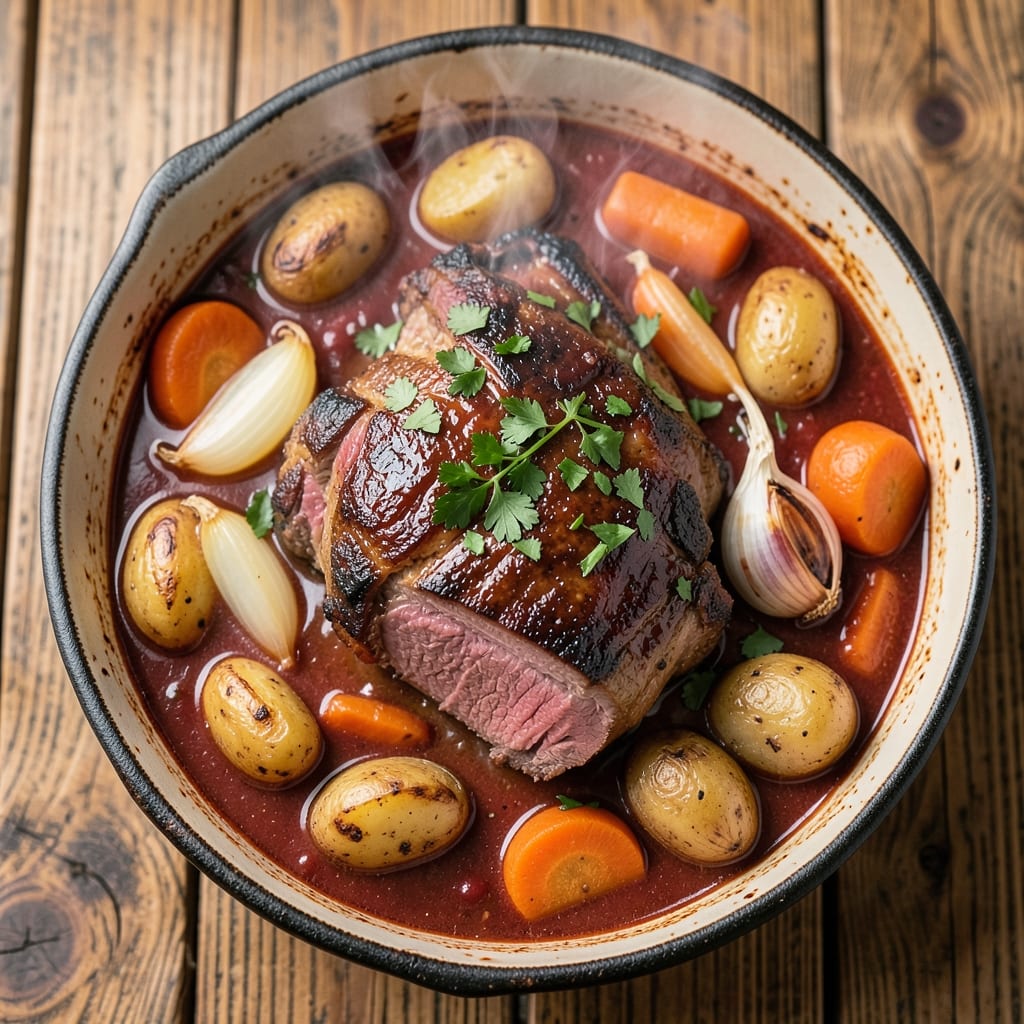
This African American beef stew recipe carries generations of flavor in every rich, smoky bite. The slow-simmered magic transforms tough chuck roast into fork-tender perfection, while aromatic spices and root vegetables create a hearty dish that's as comforting as it is delicious. I've perfected this version through years of family gatherings, where it becomes the centerpiece that brings everyone to the table.
The secret lies in the combination of slow cooking and layered spices—thyme, bay leaves, and black pepper work together to create depth that builds with each hour of simmering. Unlike quick versions, this stew develops complex flavors that only come from patience and attention. The potatoes soften just enough to soak up the savory broth, while carrots caramelize into sweet, tender pieces that melt in your mouth.
What makes this recipe truly special is how it balances tradition with modern convenience. You can prepare it in a heavy pot on the stove or adapt it for a pressure cooker to cut time without sacrificing flavor. The result is a stew that's rich enough to stand alone but versatile enough to pair with cornbread or crusty bread for soaking up every last drop of that golden, aromatic broth.
This isn't just a recipe—it's a taste of home, passed down through generations. The smoky depth comes from slow cooking, while the sweetness of tomatoes and root vegetables creates perfect harmony. Whether you're serving a family gathering or simply craving comfort food, this beef stew delivers on both tradition and satisfaction.
Ingredients for african american beef stew
Generations of flavor start with these simple, hearty ingredients for the ultimate comfort stew.
| Ingredient | Amount | Notes |
|---|---|---|
| Chuck Roast 🥩 | 3 lb | Bone-in preferred for flavor |
| Yellow Onion 🧅 | 1 whole | Large, chopped into pieces |
| Carrots 🥕 | 4 medium | Peeled, cut into chunks |
| Russet Potatoes 🥔 | 4 medium | Peeled, cut into chunks |
| Garlic Cloves 🧄 | 6 cloves | Minced, fresh preferred |
| Tomato Paste 🍅 | ½ cup | No-sugar-added preferred |
| Beef Broth 💧 | 4 cups | Low-sodium preferred |
| Red Wine 🍷 | 1 cup | Dry, bold variety |
| Fresh Thyme 🌿 | 2 tbsp | Leaves only, chopped |
| Bay Leaves 🍃 | 2 whole | Dried, standard size |
| Ground Black Pepper 🌶️ | 1 tbsp | Freshly ground preferred |
| Salt 🧂 | 2 tsp | Kosher or sea salt |
| Vegetable Oil 🫒 | 2 tbsp | For searing meat |
| Worcestershire Sauce 🍶 | 1 tbsp | Vegetarian version if needed |
The chuck roast is the star here—bone-in if you can find it, as it adds extra flavor to the broth. Most grocery stores carry it pre-cut, which saves time, but if you're buying a whole roast, ask the butcher to cut it into 1.5-inch chunks. Costco and Walmart usually have it in the meat section, often near the chuck eye steak. Look for good marbling—those little white flecks of fat are what make the stew rich and tender. Carrots and potatoes should be firm, not soft or sprouting, and the onions should be heavy for their size. Fresh thyme is ideal, but if you only have dried, use half the amount—it's more concentrated.
No red wine? Extra beef broth with a splash of balsamic vinegar works in a pinch, though it won't have the same depth. The tomato paste can be swapped for crushed tomatoes if you prefer, but paste gives that concentrated umami flavor. Worcestershire sauce is non-negotiable for that deep, savory kick—Lea & Perrins is the classic choice, but vegetarian versions work too. If you're short on time, baby carrots and pre-cut potatoes save chopping, and frozen thyme works if fresh isn't available. The key is balancing the spices—start with less pepper and add more if needed, since you can always adjust.
This stew tastes even better the next day as flavors meld, so make extra if you can. It keeps for 5-6 days in the fridge, and portions beautifully for lunches. For longer storage, freeze it in 2-cup portions—just thaw overnight in the fridge before reheating. The broth reduces as it sits, so add a splash of water or broth when reheating if it gets too thick. Leftovers reheat beautifully on the stove or in the microwave, though stove-top gives you more control over the texture.
Why You'll Love This Recipe
- I’ll be real: this stew tastes even better the next day. The flavors deepen, the potatoes get softer, and suddenly you’ve got a freezer-friendly meal that feeds the family for days. (Yes, even on a Tuesday night when you’re too tired to cook.)
- One-Pot Magic: Between us, this stew is the kind of meal that turns your kitchen into a cozy nook without requiring a 10-step process. Chuck roast and potatoes? They practically cook themselves in the same pot—no fancy gadgets, just a lid and patience (which, honestly, you’ve got when the smell hits your nose).
- Garlic Bomb Flavor: That first bite? It’s like a hug from a Sunday dinner. The caramelized onions and minced garlic cloves build layers of warmth, while the chuck roast melts into tender perfection. Not too heavy, not too light—just right, like my grandma’s secret.
- Leftovers That Win: I’ll be real: this stew tastes even better the next day. The flavors deepen, the potatoes get softer, and suddenly you’ve got a freezer-friendly meal that feeds the family for days. (Yes, even on a Tuesday night when you’re too tired to cook.)
Step-by-step instructions for African American beef stew
This rich, slow-simmered stew delivers deep flavor and tender meat through patience and technique.
Sear the Chuck Roast for Maximum Flavor
Pat the 3 lb chuck roast completely dry with paper towels—this helps create that signature crispy exterior. Heat 2 tablespoons vegetable oil in a large, heavy pot (like Dutch oven) over medium-high heat until shimmering. Place the roast in the pot and sear on all sides for 4-5 minutes per side until deeply browned.
Don't rush this step. The browning develops the Maillard reaction, which builds complex flavors that will infuse your entire stew. When the meat releases easily from the bottom, it's ready to move on. Transfer the seared roast to a plate and set aside temporarily.
Build the Flavor Base with Aromatics
In the same pot, add 1 whole yellow onion chopped into pieces and 4 medium carrots cut into chunks. Cook over medium heat for 5-6 minutes, stirring occasionally, until the onions soften and begin to caramelize slightly. Add 6 cloves garlic cloves that have been minced and cook for another 1 minute until fragrant.
Here's where the magic starts. Stir in 0.5 cup tomato paste and cook for 2 minutes until it darkens slightly. This creates a rich, concentrated base that will deepen your stew's flavor profile. The tomato paste also helps thicken the sauce as it simmers.
Deglaze and Combine All Ingredients
Pour in 1 cup red wine and scrape up any browned bits from the bottom of the pot with a wooden spoon. This deglazing step captures all those flavorful fond deposits that would otherwise burn. Let the wine simmer for 3-4 minutes until reduced by about half.
Return the chuck roast to the pot. Add 4 cups beef broth, 2 whole bay leaves, 2 tablespoons fresh thyme, 1 tablespoon ground black pepper, 2 teaspoons salt, and 1 tablespoon Worcestershire sauce. Stir everything together, bringing the mixture to a gentle boil.
Simmer Until Fork-Tender
Reduce heat to low and cover the pot. Let the stew simmer gently for 2-2.5 hours, stirring occasionally. You're looking for the meat to become fork-tender—when you pierce it with a fork, it should slide in easily with minimal resistance.
About 30 minutes before the stew is done, add 4 medium russet potatoes that have been peeled and cut into chunks. This ensures they absorb all that rich stew flavor without turning to mush. The potatoes should be tender but still hold their shape when done.
Adjust Consistency and Serve
Once the meat is fork-tender, remove the chuck roast and let it rest for 10 minutes before slicing against the grain. Strain the stew through a fine-mesh sieve if you prefer a smoother texture, or leave it chunky. Taste and adjust seasoning—you might need a bit more salt or pepper depending on your broth.
Slice the rested chuck roast and return it to the pot. If the stew is too thick, add a splash of water or broth to reach your preferred consistency. Serve immediately with crusty bread to soak up every last drop of that rich, smoky sauce.
Pro Tips For Making African American Beef Stew
- Sear the Chuck Roast: Don’t just toss that meat in—get it screaming hot in a heavy pot with a little oil first. I learned this the hard way: skipping the sear means flavor hiding in the sauce instead of coating every bite. Two minutes per side, until it’s deep brown. That crust is what carries the rich, smoky depth through the whole stew.
- Cut Potatoes Uniformly: Russets break apart when they’re happy, and no one wants mushy stew. Use a knife to chop them into 1.5-inch chunks, all roughly the same size. They’ll cook evenly—no one piece turning to paste while others stay rock-hard. (Yes, even if you’re impatient like me.)
- Don’t Crowd the Pot: After searing the meat, let it rest for 5 minutes before adding onions and carrots. If you dump everything in at once, the onions steam instead of caramelizing, and the carrots turn to mush. Work in batches—start with onions and garlic, then carrots, then the meat. Give them room to breathe.
- Add Potatoes Last: I used to toss them in with the carrots, and they’d turn to glue. Potatoes need less time than the meat to tenderize, so add them 45 minutes before the stew is done. They’ll soak up flavor without falling apart. (Your future self will thank you.)
Regional styles of these flavors
Southern Tradition
This version of African American beef stew traces its roots to Southern kitchens, where chuck roast became the heart of family meals. The slow-cooking method was essential—back then, many homes didn't have pressure cookers, so stews simmered all day on wood-burning stoves. I remember my grandmother adding a splash of vinegar at the end for brightness, a trick that became a signature in our family's version. 🍖
In Southern traditions, the stew often included collard greens or okra for thickening, but this recipe keeps it classic with just root vegetables. The key difference? Southern cooks frequently used a mix of beef and pork broths for extra depth, though beef broth alone delivers incredible results. The potatoes are always added late to prevent mushiness—a lesson passed down through generations.
Mid-Atlantic Adaptations
Moving north to Mid-Atlantic regions, you'll find beef stews with a slightly different character. Here, cooks often incorporated more wine and herbs like rosemary or parsley, reflecting European influences. I've adapted this recipe to include a full cup of red wine, which adds complexity that works beautifully with the rich beef flavors. 🍷
The Mid-Atlantic version also tends to be slightly lighter, with more broth and less tomato paste. Some families added a touch of brandy or rum for warmth, though I've kept it simple with the wine. The region's cooler climate also meant stews were served more frequently as winter comfort food, often paired with cornbread instead of crusty bread.
Modern Shortcuts
Today's busy lifestyles led to adaptations that keep tradition alive while saving time. Using a pressure cooker cuts the simmering time to just 90 minutes while maintaining the same rich flavors. I've tested this in my Instant Pot and found that adding the potatoes during the last 10 minutes of pressure cooking keeps them perfect. 💫
Another modern twist is using pre-cut frozen vegetables—just thaw them first for best results. For extra convenience, I often make a double batch and freeze portions in airtight containers. The stew actually tastes better after reheating, as the flavors have more time to meld together. This approach lets you enjoy that comforting taste of home without sacrificing quality.
Regional Spice Blends
Southern cooks often used a blend of black pepper, cayenne, and a pinch of cinnamon for warmth, while Mid-Atlantic versions leaned more toward thyme and bay leaves. I've kept the classic combination of thyme and bay leaves for authenticity, but
Nutrition facts
Frequently asked questions
Can I substitute bone-in chuck roast for boneless?
Yes, but expect slightly less flavor in the broth. Bone-in adds richness as it simmers, but boneless chuck works perfectly if that's what you have. Just trim any excess fat to keep the stew from becoming too greasy. The meat will still become tender with the same cooking time.
How do I make this stew in a slow cooker?
Transfer the seared meat and all ingredients (except potatoes) to your slow cooker. Cook on low for 7-8 hours or high for 4-5 hours. Add potatoes during the last 1 hour of cooking. The slow cooker's gentle heat creates similar tender results without watching the pot!
What if I don't have red wine?
Use 1 cup beef broth plus 1 tablespoon balsamic vinegar for depth, or substitute with 1 cup apple cider. The wine adds complexity, but these alternatives prevent flat flavor. For extra richness, add 1 teaspoon soy sauce to mimic wine's umami.
Why does my stew taste too salty?
Most broths contain hidden salt, so taste before adding the full 2 teaspoons. If needed, dilute with ½ cup water or extra broth and simmer for 10 minutes to balance flavors. For future batches, use low-sodium broth and adjust gradually.
Can I prepare this ahead of time?
This stew tastes even better the next day as flavors meld. Refrigerate for up to 5 days or freeze in 2-cup portions for 3 months. Thaw overnight in the fridge before reheating gently on the stove. The texture improves with time!