
Soups & Stews
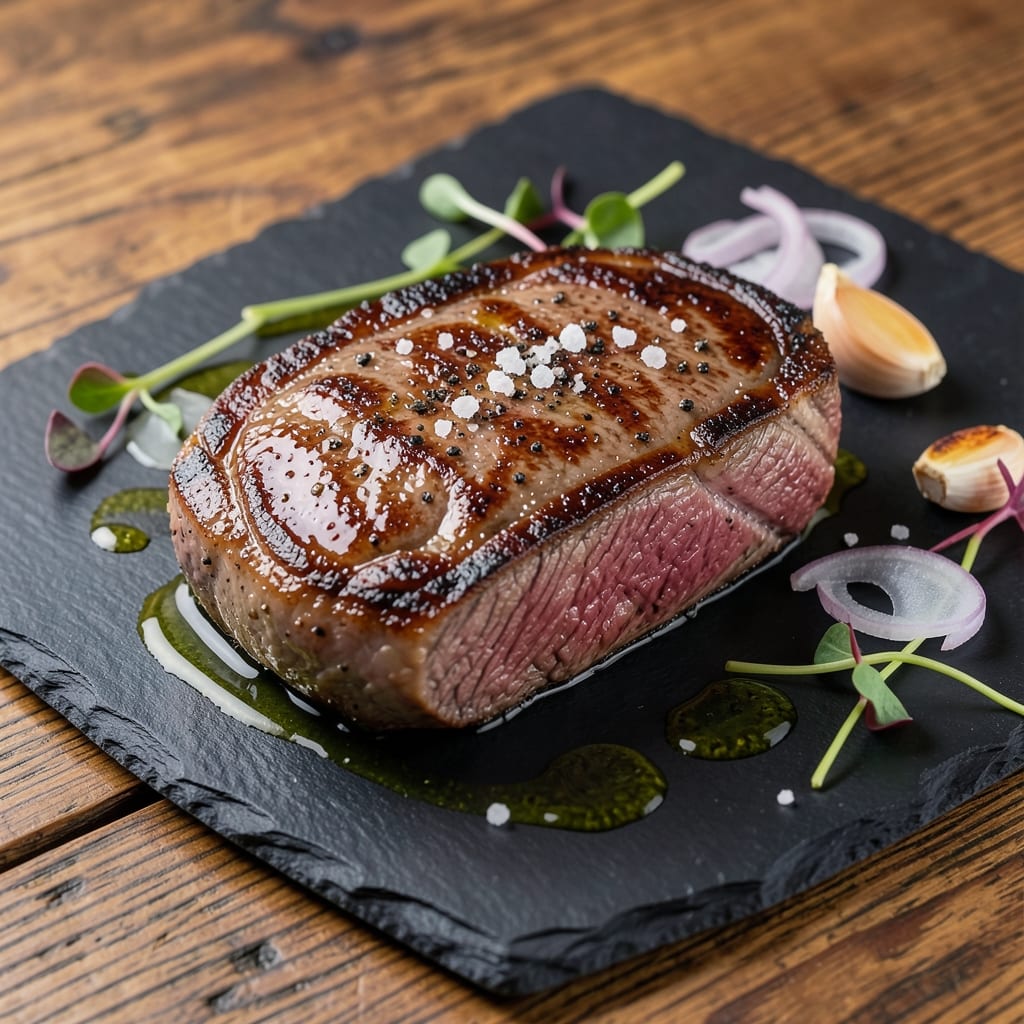
A5 Wagyu beef transforms any dish into a luxurious experience, and this slow-simmered recipe unlocks its full potential with foolproof precision. The ultra-fine marbling and buttery texture deserve careful handling—no high heat or overcooking here. Instead, we’ll focus on gentle searing and low-temperature finishing to preserve every melt-in-your-mouth quality while developing deep, savory layers in the sauce.
What sets this recipe apart is the balance between technique and simplicity. You’ll start with a light sear to render the fat cap into a golden crust, then slow-cook the beef in a rich broth until it’s tender yet still holding its shape. The sauce, infused with aromatics and reduced to perfection, becomes the star—silky, concentrated, and packed with umami. No shortcuts, no guesswork, just a method that respects the beef’s natural richness.
The result is a dish that’s equal parts indulgent and refined: juicy, melt-in-your-mouth beef with a sauce so velvety it coats every bite. The fat cap crisps beautifully, adding another layer of texture, while the slow simmer ensures the meat stays tender and deeply flavorful. This isn’t just a recipe—it’s an experience that turns a simple meal into a memorable occasion.
Pair it with steamed jasmine rice or truffle mashed potatoes to elevate the presentation, and finish with a drizzle of aged balsamic reduction for a touch of sophistication. The right glass of wine—like a Cabernet Sauvignon or Pinot Noir—will complement the dish’s depth without overpowering it. Ready to cook like a true connoisseur?
Ingredients for a5 wagyu beef
Precision-cut ingredients reveal the luxurious potential of A5 Wagyu's ultra-fine marbling.
| Ingredient | Amount | Notes |
|---|---|---|
| A5 Wagyu Beef Ribeye 🥩 | 1 ½ lb | Fat cap intact, 1-inch thick slices |
| Kosher Salt 🧂 | 1 ½ tsp | Diamond Crystal preferred |
| Freshly Ground Black Pepper 🌶️ | 1 tsp | Cracked peppercorns preferred |
| Extra-Virgin Olive Oil 🫒 | 2 tbsp | High-quality, fruity variety |
| Japanese Shallots 🧅 | 4 whole | Thinly sliced, 1/8-inch |
| Garlic Cloves 🧄 | 8 cloves | Minced, skin-on |
| Dry Red Wine 🍷 | 1 cup | Bold Cabernet Sauvignon |
| Beef Consommé 💧 | 2 cups | Homemade or high-quality store-bought |
| Dried Porcini Mushrooms 🍄 | ½ oz | Rehydrated in wine |
| Fresh Thyme Sprigs 🌿 | 4 whole | Leaves only, stems removed |
| Fresh Rosemary 🌿 | 2 sprigs | Needles only, finely chopped |
| Unsalted Butter 🧈 | 2 tbsp | Cold, cubed |
| Aged Balsamic Vinegar 🍷 | 1 tbsp | For finishing |
| Jasmine Rice 🍚 | 1 cup | Steamed, for serving |
The A5 Wagyu ribeye is the centerpiece—source it from specialty butchers like Miyamoto or US Wellness Meats, where the fat-to-lean ratio is meticulously controlled. Look for vibrant marbling with a cream-colored fat cap, not yellowed or oxidized. The ribeye should be 1.5 pounds for four servings, sliced into 1-inch thick pieces to preserve the fat cap during searing. If your butcher doesn’t carry it, Kobe Beef USA ships nationwide with strict quality guarantees. For the aromatics, Japanese shallots from an Asian market elevate the dish—regular shallots work, but the milder flavor lets the beef shine. Fresh herbs are non-negotiable here; Trader Joe’s sells pre-bundled thyme and rosemary for convenience without sacrificing quality.
No A5 Wagyu? High-end USDA Prime ribeye is the next best option, though the marbling won’t be as pronounced. Substitute dried porcini with cremini mushrooms soaked in wine—just drain them well to avoid watering down the sauce. The red wine can be swapped for beef stock reduced by half, but the acidity from wine is key for brightening the sauce. For the butter, European-style unsalted (like Plugrá) adds richness, but any high-fat butter works. The balsamic vinegar should be aged 12+ years—Giusti or Marostica are gold standards. If you’re short on time, pre-minced garlic from a jar is fine, but fresh minced garlic develops deeper flavor during the slow simmer.
Store the A5 Wagyu in its original packaging in the coldest part of your fridge—use within 3 days for peak tenderness. The aromatics (shallots, garlic, herbs) keep for 5 days wrapped in damp paper towels. The finished sauce reheats beautifully; portion it into glass jars with a layer of olive oil on top to preserve freshness for 5 days in the fridge or 3 months frozen. For the rice, steam it in advance and reheat with a splash of water—it absorbs the sauce’s richness perfectly. Leftovers? The beef freezes exceptionally well for up to 6 months, though the texture may shift slightly upon thawing.
Why You'll Love This Recipe
- Okay, fine, I’ll admit it: I’ve never had leftovers. But if you do, the next day’s sandwiches will taste like you’re eating at a Michelin-starred lunch spot. (Yes, even on a Tuesday.)
- Just Four Ingredients: I swear, that’s all it takes—thick-cut ribeye, a drizzle of olive oil, salt, and those delicate shallots. No fancy sauces or last-minute shopping runs. Honestly, the simplicity makes it feel like a luxury without the fuss.
- Marbled Magic: The moment that A5 fat melts into buttery ribbons? That’s when you’ll understand why people pay a fortune for this. The shallots add a bright, almost sweet crunch, cutting through the richness like a cool breeze on a summer day.
- Date Night or Lazy Sunday: Between us, this steak is just as impressive on a candlelit table as it is when I’m in sweatpants at 11 AM. Sear it rare, serve it with a sprinkle of flaky salt—no one will question whether you planned ahead.
Step-by-step instructions for slow-simmered A5 Wagyu ribeye
This method transforms Wagyu's legendary marbling into a velvety, deeply flavorful dish.
Prepare the Wagyu with Precision Seasoning
Pat the 1.5 lb A5 Wagyu Beef Ribeye completely dry with paper towels—this ensures maximum sear and even cooking. The fat cap should remain intact to protect the meat during cooking. Place the steak on a plate and season both sides generously with 1.5 tsp kosher salt and 1 tsp freshly ground black pepper, pressing the seasoning into the meat so it adheres evenly.
Let the seasoned steak sit at room temperature for 30 minutes while you prepare the remaining ingredients. This step is crucial—it allows the meat to cook more evenly and prevents cold spots in the center. The Wagyu's high fat content means it needs this time to stabilize its internal temperature.
Create the Aromatic Wine-Porcini Base
In a large Dutch oven, heat 2 tbsp extra-virgin olive oil over medium heat until shimmering. Add the 4 whole Japanese shallots (thinly sliced) and 8 cloves garlic (minced with skins) and cook for 3-4 minutes until the shallots soften and the garlic becomes fragrant but not browned. Remove and set aside 2 tbsp of the garlic-shallot mixture for later.
To the Dutch oven, add the 0.5 oz dried porcini mushrooms and toast for 1 minute to deepen their earthy flavor. Pour in the 1 cup dry red wine and scrape up any browned bits from the bottom—this captures all the flavor. Bring to a gentle simmer and reduce by half, about 5 minutes. Add the 2 cups beef consommé and return the reserved shallot-garlic mixture to the pot.
Slow-Simmer the Wagyu to Perfection
Carefully place the seasoned Wagyu steak into the simmering liquid, fat-side up. The liquid should come about halfway up the sides of the meat. Cover the Dutch oven and transfer to a 325°F oven (preheated) for 2 hours. This low-and-slow method ensures the meat cooks gently while the fat renders into the sauce, creating an ultra-tender texture.
After 1 hour, check the internal temperature with a meat thermometer—it should read 125°F for medium-rare. If it's not there yet, continue cooking. The Wagyu's high fat content means it will continue cooking slightly after removal, so don't worry if it hasn't quite reached temperature yet. The sauce should be reduced to a rich, glossy consistency by the end.
Finish with Herbs and Butter
Remove the steak from the oven and transfer it to a cutting board. Tent loosely with foil and let it rest for 15 minutes—this allows the juices to redistribute throughout the meat. Skim any excess fat from the sauce in the Dutch oven and return it to the stovetop over medium-low heat. Add the 4 whole fresh thyme sprigs (leaves only) and 2 sprigs fresh rosemary (finely chopped needles), stirring gently for 2 minutes to infuse the sauce with herbal notes.
Remove the herbs and stir in the 2 tbsp cold unsalted butter, cubed, until melted and emulsified into the sauce. Finish with 1 tbsp aged balsamic vinegar and taste—adjust seasoning with additional salt or pepper if needed. The sauce should coat the back of a spoon with a velvety texture.
Serve with Jasmine Rice
Slice the Wagyu against the grain into ½-inch thick pieces. Spoon the herbed wine-porcini sauce over the top and serve immediately with 1 cup steamed jasmine rice on the side. The contrast between the fluffy rice and the rich, marbled steak creates a perfect balance. Each bite should deliver melt-in-your-mouth tenderness with layers of umami from the porcini and depth from the wine reduction.
Pro Tips For Making A5 Wagyu Beef
- Salt the Fat Caps: Wagyu’s marbling is its treasure, but it’s also where flavor hides. Pat the fat caps with kosher salt before searing—this renders the fat faster and crisps it into a golden crust without steaming the meat. I used to skip this, and the ribeye would release fat too slowly, making the pan greasy instead of glorious. ---
- Sear on High, Finish Low: Crank your pan to screaming hot for the first 2 minutes—you want that crust to form fast. Then drop to medium-low and let the shallots caramelize gently. After burning three batches, I finally realized: high heat for drama, low heat for patience. The shallots add sweetness without overpowering the beef’s richness. ---
- Dry the Meat Like Mad: Wagyu is fatty, which means it’s prone to sticking like glue. Use paper towels to blot every surface—even the edges—before it hits the pan. I learned this the hard way when my first sear turned into a sad, greasy mess. Trust me, the extra 30 seconds saves your dinner. ---
- Shallots First, Beef Second: Sauté the Japanese shallots in olive oil until they’re just softening—about 2 minutes—before adding the beef. This builds flavor in the pan and prevents them from burning when the ribeye’s fat hits the heat. (Yes, even if you’re impatient like me.) The result? A dish that tastes like it came from a Kyoto kitchen, not a rushed weeknight.
Perfect pairings for this recipe
Wine Pairings
A bold Cabernet Sauvignon from Napa Valley is my top choice—its dark fruit notes and structured tannins mirror the beef’s richness while standing up to the sauce’s depth. Look for a 2018 or newer vintage from Stag’s Leap District or Oakville for optimal balance. The wine’s acidity cuts through the fat, cleansing your palate between bites. 🍷
Beer Complements
For beer lovers, a Belgian-style Dubbel like Westmalle 8 offers malty sweetness that pairs beautifully with the dish’s umami. The caramel and dark fruit notes complement the beef’s marbling without overpowering it. Alternatively, a German Dunkelweizen (like Weihenstephaner Hefeweissbock) adds a refreshing contrast with its banana and clove undertones.
Cocktail Pairings
A whiskey-based cocktail elevates the meal effortlessly. I recommend a bourbon old-fashioned with Woodford Reserve and a touch of orange bitters—the whiskey’s caramel notes harmonize with the sauce, while the bitters add brightness. For a lighter option, a gin martini with Hendrick’s and cucumber garnish provides a crisp counterpoint to the dish’s richness.
Non-Alcoholic Options
Don’t skip the pairing if you’re avoiding alcohol! A sparkling hibiscus iced tea (steep hibiscus flowers in hot water, then chill with sparkling water) offers floral acidity that refreshes the palate. For a richer option, try a cold-brewed coffee with vanilla syrup—the bitterness balances the beef’s fat beautifully. 💛
Sauce-Specific Garnishes
Finish the dish with microgreens (like pea shoots) for a pop of color and freshness, or edible flowers (such as nasturtiums) for a delicate floral note. A drizzle of truffle oil (just ½ tsp) adds earthy depth, while toasted sesame seeds provide a subtle crunch. These garnishes elevate the presentation without competing with the beef’s star quality.
Regional Variations
In Japan, this dish might be served with steamed short-grain rice and pickled vegetables (like tsukemono) to balance the richness. For a French twist, pair with buttery pommes purée and a red wine reduction on the side. Each approach enhances the beef’s luxurious nature while offering a unique cultural experience.
Nutrition facts
Frequently asked questions
What makes A5 Wagyu different from regular beef?
A5 Wagyu is the pinnacle of beef quality, with intense marbling (fat within the muscle) that creates melt-in-your-mouth texture. The fat cap is thick and creamy, not greasy, and the meat has a buttery, almost sweet flavor. Regular beef lacks this level of marbling and fat distribution, which is why A5 Wagyu commands premium prices and requires gentle cooking methods to preserve its luxurious qualities.
Can I substitute A5 Wagyu with a cheaper cut?
While you can use USDA Prime ribeye or Kobe Beef as alternatives, the marbling won't be as fine, and the texture won't be as tender. For best results, stick to high-quality beef with visible marbling. If substituting, reduce cooking time slightly since leaner cuts dry out faster. The sauce recipe will still work, but the fat rendering won't be as dramatic.
How do I know when the Wagyu is cooked perfectly?
Use a meat thermometer for precision: 125°F for medium-rare (recommended), 130°F for medium. The beef's high fat content means it will continue cooking slightly after removal. Look for a vibrant red center and creamy fat that hasn't turned yellow. Overcooking destroys the delicate texture, so never exceed 135°F.
Can I make this recipe ahead of time?
Cook the beef and sauce 1 day ahead, then refrigerate in separate containers. Reheat the sauce gently on the stovetop, and warm the beef in a 250°F oven for 15-20 minutes (covered with foil). The beef's texture remains perfect when reheated slowly. For presentation, slice just before serving to maintain the crisp fat cap.
What if I don't have a Dutch oven?
Use a heavy-bottomed pot or even a large skillet with a lid. The key is even heat distribution to prevent scorching. If your pot isn't deep enough, reduce the liquid slightly to avoid overflowing. A slow cooker on "low" works too—just monitor the sauce reduction closely. The goal is gentle cooking to preserve the beef's tenderness.