
Main Courses
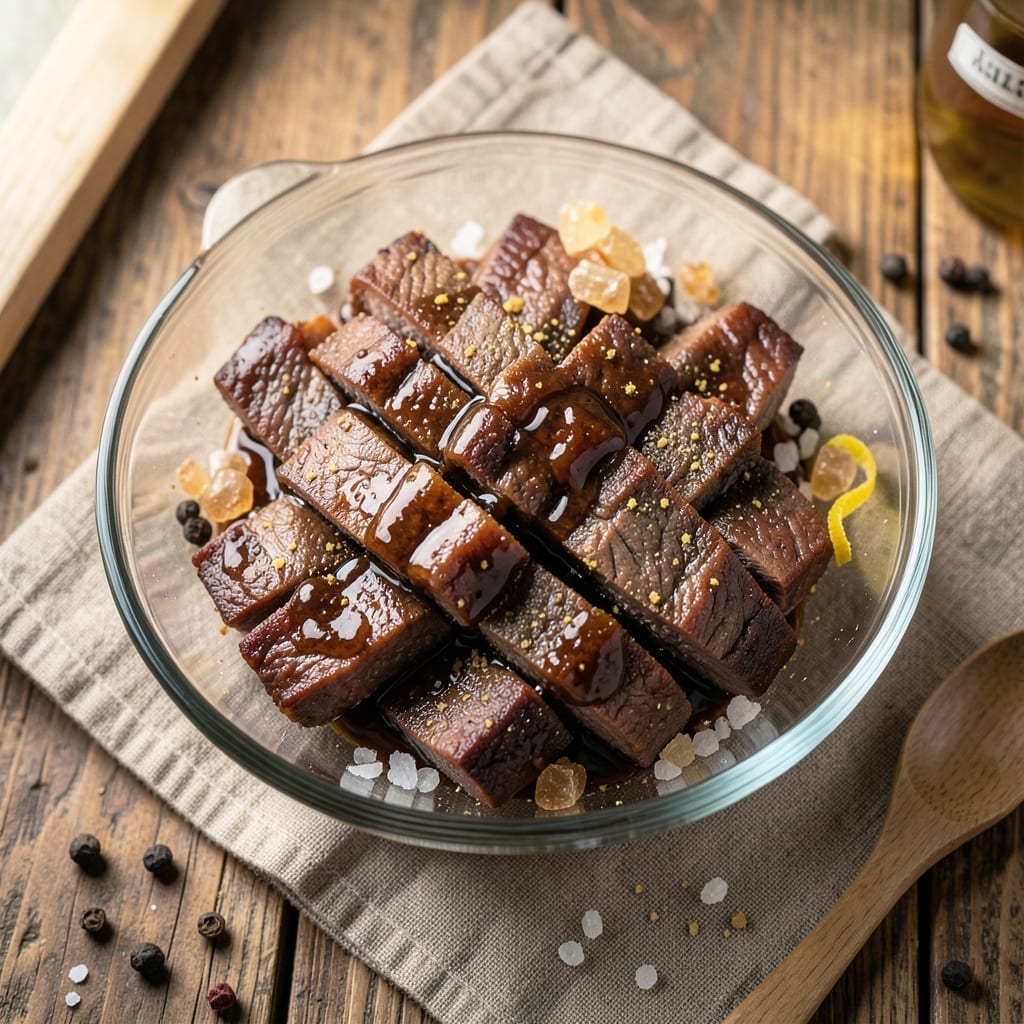
A1 beef jerky recipe transforms tough cuts into tender, smoky-sweet bites that satisfy cravings for hours. This method delivers restaurant-quality jerky at home using just a dehydrator (or oven) and simple ingredients. The key? A precise marinade blend and controlled drying time—no guesswork, just guaranteed results.
What sets this recipe apart is the balance of A1 steak sauce's signature sweetness with traditional jerky spices. You'll start with lean beef, sliced paper-thin for even drying, then marinate in a blend that includes brown sugar, garlic powder, and black pepper. The dehydrator does the rest, creating chewy yet firm jerky with deep flavor penetration.
Safety is critical—this recipe follows USDA guidelines for jerky-making, including proper salt content and cooking times. You'll end up with jerky that's perfect for snacks, camping trips, or protein-packed meals. The process takes just 4 hours from start to finish, with minimal prep and no special equipment beyond a dehydrator or oven.
Whether you prefer classic beef jerky or want to experiment with flavors, this method adapts easily. Store properly, and your jerky will stay fresh for weeks. Let's get started on making your own perfect batch.
Ingredients for a1 beef jerky
Lean beef, precise marinade blend, and controlled dehydration deliver restaurant-quality jerky at home.
| Ingredient | Amount | Notes |
|---|---|---|
| Lean Beef Top Round 🥩 | 1 ½ lb | Sliced paper-thin against grain |
| A1 Steak Sauce 🍯 | ½ cup | Original formula preferred |
| Light Brown Sugar 🍚 | ½ cup | Packed, not granulated |
| Garlic Powder 🧄 | 2 tbsp | Freshly ground preferred |
| Black Pepper 🌶️ | 1 ½ tbsp | Freshly cracked for potency |
| Kosher Salt 🧂 | 1 ½ tbsp | Diamond Crystal preferred |
| Worcestershire Sauce 🍶 | 1 tbsp | USDA-approved for jerky |
| Apple Cider Vinegar 🍏 | ¼ cup | For acidity and preservation |
| Smoked Paprika 🌶️ | 1 tbsp | For authentic smoky flavor |
| Onion Powder 🧅 | 1 tbsp | For depth of flavor |
| Ground Cayenne Pepper 🔥 | ½ tsp | Adjust for heat preference |
| Liquid Smoke 🌫️ | ½ tsp | Optional for enhanced smokiness |
The beef cut is critical—top round strikes the perfect balance of leanness and tenderness. Costco or butcher shops often carry pre-sliced jerky beef, but if cutting yourself, slice against the grain into 1/8-inch strips for even drying. Look for well-marbled beef with minimal fat; trim excess fat before slicing. The A1 Steak Sauce is non-negotiable here—its proprietary blend of spices and molasses creates that signature sweet-savory profile. Store-brand sauces won't replicate the depth, so invest in the original. For brown sugar, muscovado or Demerara add subtle caramel notes, but light brown sugar works perfectly for this recipe.
No A1 Steak Sauce? Substitute with 2 tbsp soy sauce + 1 tbsp molasses + 1 tsp liquid smoke for a close approximation. Diamond Crystal kosher salt dissolves more easily than table salt—critical for marinade balance. The Worcestershire Sauce must be USDA-approved for jerky; Lea & Perrins is a reliable choice. For vinegar, apple cider vinegar adds complexity, but white vinegar works in a pinch. Smoked paprika can be swapped for regular paprika if unavailable, though you'll lose that campfire depth. Pre-ground spices are fine, but toast your garlic powder in a dry pan for 30 seconds to intensify its flavor—trust me on this.
Marinated beef keeps 2-3 days in the fridge before dehydrating. Dehydrator trays should be lined with parchment paper for easy removal. Once fully dried (typically 4-6 hours at 160°F), store jerky in an airtight container with a silica packet to prevent moisture. Properly stored, it lasts 2-3 weeks at room temperature or 3 months in the freezer. Portion into snack bags for convenience—perfect for hiking, travel, or protein bars. The USDA recommends jerky be cooked to 160°F internal temperature before drying to ensure safety.
Why You'll Love This Recipe
- Five-Ingredient Magic: I swear by this recipe because it’s that simple—just slice, mix, and bake. No fancy marinating, no last-minute grocery runs. The A1 sauce does all the heavy lifting while I’m scrolling through my phone.
- Umami Bomb: That tangy-sweet A1 kick with the brown sugar caramelizing? It’s dangerously addictive. The garlic powder adds a warm depth, and the pepper gives it just enough bite to keep you reaching for another piece.
- Snack Attack Ready: Between us, this jerky disappears faster than my willpower on a Monday. I make a big batch on Sundays, and it’s the go-to for road trips, lunchboxes, or when my kids beg for something "crunchy" (aka anything but veggies).
- Budget Stretch: Top round is affordable, and a pound stretches into so many servings. Honestly, I’ve fed a soccer team practice with this—no one complained, and my wallet stayed happy. Leftovers? Just toss them in the fridge for weeks.
Step-by-step instructions for smoky-sweet dehydrator jerky
Transform lean beef into restaurant-quality jerky with this precise dehydrating method.
Prepare the Marinade for Maximum Flavor Infusion
In a medium bowl, combine the 0.5 cup A1 Steak Sauce, 0.5 cup Light Brown Sugar, 1 tbsp Worcestershire Sauce, and 0.25 cup Apple Cider Vinegar. Whisk vigorously until the sugar fully dissolves and the mixture becomes syrupy. This sweet-tangy base carries the smoky-sweet profile throughout the jerky.
Next, add the dry seasonings: 2 tbsp Garlic Powder, 1.5 tbsp Black Pepper, 1.5 tbsp Kosher Salt, 1 tbsp Smoked Paprika, 1 tbsp Onion Powder, 0.5 tsp Ground Cayenne Pepper, and 0.5 tsp Liquid Smoke. Mix thoroughly until the spices are evenly distributed and the marinade has a rich, aromatic consistency. The liquid smoke adds depth while the cayenne provides subtle heat—essential for authentic jerky character.
Slice the Beef Paper-Thin Against the Grain
Using a sharp boning knife or electric meat slicer, cut the 1.5 lb Lean Beef Top Round into strips ¼-inch thick against the grain. This ensures tender jerky that chews easily. For best results, slice the beef when it's partially thawed but still cold—this prevents tearing. Arrange the slices in a single layer on a clean cutting board.
Here's the thing—if you slice with the grain, you'll end up with jerky that's tough and chewy. The grain runs vertically through the muscle fibers, so cutting perpendicularly shortens them for optimal texture. Test a few slices by bending them—they should flex without snapping. Discard any slices that appear uneven or too thick, as they won't dehydrate properly.
Marinate the Beef for Deep Flavor Penetration
Place the sliced beef in a resealable plastic bag and pour the marinade over the top. Seal the bag and massage the mixture gently to ensure every slice is coated evenly. Place the bag in the refrigerator and marinate for at least 12 hours, or up to 24 hours for maximum flavor infusion. The acidity from the vinegar helps tenderize the meat while the sugar and spices create an irresistible crust.
Don't skip this step—proper marinating transforms lean beef into tender, flavorful jerky. After 12 hours, the beef will absorb the marinade completely, and the slices will hold their shape without falling apart. If you're short on time, you can marinate for 4 hours in the freezer, but 12 hours yields the best results. Remove the beef from the fridge 30 minutes before dehydrating to allow it to come to room temperature.
Arrange for Even Dehydration
Preheat your dehydrator to 160°F—this temperature ensures the jerky dries thoroughly without burning. Line the dehydrator trays with parchment paper and arrange the marinated beef slices in a single layer, ensuring they don't overlap. Overlapping causes uneven drying and potential spoilage. Leave ¼-inch between each slice for proper air circulation.
Here's where precision matters: use a meat thermometer to check the internal temperature of the thickest slices. The jerky is done when it reaches 165°F and the slices are dry to the touch with no moisture remaining. Dehydrating time typically ranges from 4 to 6 hours, depending on your dehydrator's efficiency and humidity levels. If your kitchen is humid, you may need to extend the drying time slightly to prevent mold.
Test for Doneness and Proper Storage
Once the jerky reaches 165°F and feels dry and leathery, remove it from the dehydrator and let it cool completely on a wire rack. The slices should bend slightly without breaking—this indicates proper dehydration. If any slices feel moist or bend too easily, return them to the dehydrator for an additional 30 minutes. Overly moist jerky can spoil quickly.
Store the finished jerky in an airtight container or resealable bag in the refrigerator, where it will keep for up to 2 weeks. For longer storage, vacuum-seal the jerky and freeze it for up to 6 months. The smoky-sweet flavor will intensify slightly over time, making it even more addictive. Cut into serving-sized pieces just before eating to maintain maximum crispness and texture.
Pro Tips For Making A1 Beef Jerky
- Trim the Fat First: Grab kitchen shears and snip off every last bit of fat before slicing—even the thin layers. I learned this the hard way when my jerky turned greasy and soggy after 24 hours. Top round is lean, but those stubborn fat streaks ruin the texture. ---
- Marinate at Room Temp: Let the beef sit in the A1-browned sugar mix for 20–30 minutes before slicing thin. Cold meat tears unevenly, and the sauce won’t cling as well. I used to skip this and ended up with jerky that tasted like it was made from frozen steak. ---
- Slice Against the Grain: Cut the beef perpendicular to the muscle fibers—about ¼-inch thick. Thinner strips dry out faster, but thicker ones stay chewy. I was skeptical until I tried it: the jerky now holds together like it’s supposed to, even after hours of dehydrating. ---
- Skip the Crowding: If dehydrating, arrange slices in a single layer with no overlaps. Stacking makes them steam instead of dry, and you’ll end up with jerky that’s more like beefy leather. I know, it’s tempting to cram them in—but trust me, patience wins here.
Pro cooking tips for perfect results
Precision Slicing
Slicing against the grain is non-negotiable for tender jerky. Use a sharp boning knife or electric meat slicer to cut 1/8-inch thick strips—any thicker, and you'll end up with chewy results. I recommend freezing the beef for 30 minutes before slicing to firm it up, which gives cleaner cuts. Test slices by bending them—they should flex without snapping. Discard any uneven pieces immediately, as they'll dehydrate inconsistently. 🔪
Marinade Magic
The 12-hour marinade is where flavor happens. I always double-check that the beef is fully submerged in marinade—use a resealable bag and gently massage the slices. For extra potency, let the marinade sit at room temperature for 10 minutes before adding the beef. This activates the spices and helps them penetrate deeper. If you're in a hurry, a 4-hour marinade in the freezer works, but the texture won't be as tender. 🧂
Dehydrator Temp Control
Never exceed 160°F—this is the sweet spot for safe, even drying. I use a dehydrator with adjustable vents to maintain airflow, which prevents soggy spots. Check slices every 30 minutes after 2 hours of drying. The jerky is done when it reaches 165°F internal temperature and feels dry to the touch. If your kitchen is humid, prop the dehydrator door open 1 inch to help with moisture control. ⚡
Storage Secrets
For maximum freshness, store jerky in a vacuum-sealed bag or airtight glass container with a silica packet to absorb moisture. I portion mine into snack-sized bags for convenience—just grab and go. Refrigerated jerky stays fresh for 2 weeks, while frozen jerky lasts 6 months. Never store it in the original marinade, as this speeds up spoilage. The key is complete dehydration before storage. 🧊
Troubleshooting Tips
If your jerky turns out too tough, you likely sliced with the grain or didn't marinate long enough. For extra tenderness, soak the beef in cold water for 1 hour before marinating. If jerky smells off after drying, it didn't reach 165°F—return it to the dehydrator immediately. And if it's too sweet? Reduce the brown sugar to 0.375 cup next time. Small adjustments make a big difference! 💡
Nutrition facts
Frequently asked questions
Can I use regular steak sauce instead of A1 Steak Sauce?
While you can substitute, A1 Steak Sauce delivers that signature sweet-savory balance with its proprietary blend of spices and molasses. For a close match, mix 2 tbsp soy sauce, 1 tbsp molasses, and 1 tsp liquid smoke per 0.5 cup of marinade. The flavor won't be identical, but it'll work in a pinch!
How do I know when the jerky is fully dehydrated?
Use the bend test: fully dried jerky should bend slightly without breaking. Check the internal temperature with a meat thermometer—it should reach 165°F. If any slices feel moist or bend too easily, return them to the dehydrator for 30 more minutes. Overly moist jerky spoils quickly!
What's the best way to store homemade jerky?
Store in an airtight container or vacuum-sealed bag with a silica packet to absorb moisture. Refrigerated jerky lasts 2 weeks, while frozen jerky keeps for 6 months. Never store it in the original marinade—this speeds up spoilage. Portion into snack bags for convenience!
Can I make jerky without a dehydrator?
Yes! Use an oven set to 175°F with the door slightly open for airflow. Line a baking sheet with parchment paper and arrange slices ¼-inch apart. Dehydrate for 4-6 hours, checking frequently. For even drying, flip slices halfway through. A wire cooling rack also works for air-drying (takes 12-24 hours).
Why did my jerky turn out too tough?
This usually happens when slicing with the grain or marinating too briefly. For tender results, slice against the grain into 1/8-inch strips and marinate for at least 12 hours. If you're short on time, soak the beef in cold water for 1 hour before marinating to help tenderize it.