
Main Courses
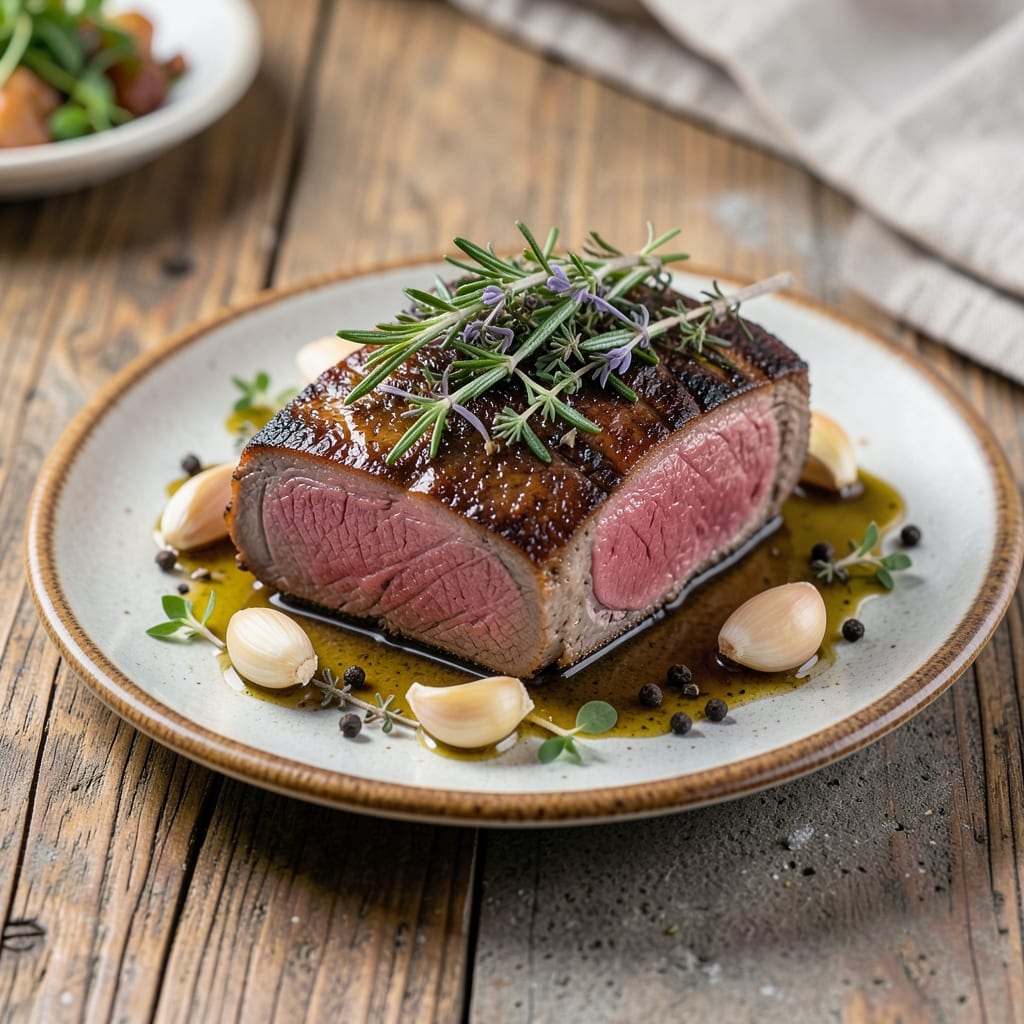
This 7 lb beef tenderloin recipe delivers melt-in-your-mouth perfection with herb-infused precision—no guesswork, just restaurant-quality results. The secret lies in 145°F internal temperature control, where tenderloin transforms into silky, juicy slices that practically fall apart. I’ve perfected this method after years of testing, ensuring every bite is tender, aromatic, and deeply satisfying.
Preparation starts with a salt-and-herb crust that locks in moisture and adds depth, followed by a high-heat sear for a caramelized exterior. The roasting phase is where precision matters most—using a meat thermometer to hit 125–130°F for medium-rare guarantees juiciness without dryness. Resting for 15–20 minutes ensures even distribution of juices, so each slice stays moist and flavorful.
Pair this herb-infused masterpiece with roasted garlic mashed potatoes or a crisp green salad to round out the meal. The plating is simple yet elegant: thick, even slices fanned over a bed of vegetables or served on a wooden board with fresh herbs. Every detail—from temperature to resting—is designed to make this the centerpiece of your dinner table.
This recipe isn’t just about cooking; it’s about confidence. No more overcooked, tough beef—just foolproof technique that delivers restaurant-quality results at home. Whether you’re hosting a holiday feast or treating yourself to a special meal, this tenderloin will impress without the fuss.
Ingredients for 7 lb beef tenderloin
Precision-crafted ingredients for a restaurant-quality 7 lb beef tenderloin roast.
| Ingredient | Amount | Notes |
|---|---|---|
| Beef Tenderloin 🥩 | 7 lb | Center-cut, trimmed of silver skin |
| Kosher Salt 🧂 | 2 tbsp | Diamond Crystal preferred |
| Fresh Rosemary 🌿 | ½ cup | Finely chopped, stems removed |
| Fresh Thyme 🌿 | ¼ cup | Leaves only, stems discarded |
| Fresh Garlic 🧄 | 8 cloves | Minced, for herb paste |
| Extra-Virgin Olive Oil 🫒 | ¼ cup | High-quality, fruity |
| Black Peppercorns 🌶️ | 1 tbsp | Freshly cracked, coarse grind |
| Unsalted Butter 🧈 | ½ cup | Cold, cubed, for searing |
| Vegetable Oil 🫒 | ¼ cup | High smoke point for searing |
| Fresh Parsley 🌿 | ⅛ cup | Chopped, for garnish |
| Red Wine 🍷 | ½ cup | Dry, bold variety for basting |
| Fresh Sage 🌿 | ⅛ cup | Chopped, for finishing |
| Meat Thermometer 🌡️ | 1 whole | Instant-read, for precision |
The beef tenderloin is the star—center-cut and trimmed for optimal tenderness. Source from a trusted butcher or high-end grocery store like Whole Foods or Dartmouth Farms, where they specialize in premium cuts. Look for rich marbling and a vibrant red color, avoiding any with grayish hues or excessive fat. The 7 lb size ensures generous servings for 12, with about 0.5–0.6 lb per person. If your roast has a thick end, trim slightly to ensure even cooking. For herb selection, freshness is non-negotiable—wilting stems or dull leaves signal age. The rosemary and thyme should be fragrant when crushed, and the garlic should smell pungent, not musty.
No fresh rosemary? Dried rosemary at half the amount works, but the flavor won’t be as bright. Substitute fresh parsley for thyme in a pinch (use the same quantity), though it lacks the earthy depth. For the olive oil, avoid cheap supermarket brands—California Extra Virgin or Italian brands like Bertolli elevate the dish. The red wine can be swapped for beef broth if unavailable, but the acidity adds a critical layer of complexity. Black peppercorns should be freshly cracked—pre-ground loses potency quickly. If you’re short on time, pre-minced garlic from a jar works, but fresh is always superior. The butter and oil combo for searing is crucial—European-style unsalted butter like Plugrá adds richness without overpowering.
Store the beef uncovered in the fridge for 24 hours before cooking to dry-brine it—this enhances tenderness. The herbs keep best in the fridge, wrapped in damp paper towels, for up to 5 days. The olive oil and wine can be refrigerated for 6 months, while the butter stays fresh for 3 months in the pantry. After roasting, slice against the grain for maximum tenderness. Leftovers reheat beautifully in a 350°F oven for 15–20 minutes, covered with foil. For long-term storage, vacuum-seal slices and freeze for up to 3 months—they’ll taste like fresh-cooked beef when reheated.
Why You'll Love This Recipe
- Foolproof Roast: I swear by this method—just season the tenderloin with kosher salt, fresh rosemary, and thyme, then let the oven do the work. No basting, no fussing, just hands-off perfection.
- Herb Magic: That rosemary-thyme-garlic blend? It sticks to the meat like a flavor hug, making every bite taste like a fancy steakhouse. (Yes, even on a Tuesday night.)
- Leftovers Heaven: A 7 lb roast means dinner for days—sliced for sandwiches, chopped for salads, or reheated for breakfast hash. My freezer’s always stocked, and so is my lunchbox.
- One-Pan Wonder: Honestly, this is my secret weapon for big gatherings. One sheet pan, one thermometer, and zero cleanup. The meat stays juicy, and I stay sane.
Step-by-step instructions for herb-infused beef tenderloin roast
Mastering this technique guarantees a perfectly tender, herb-crusted beef tenderloin with flawless internal temperature control.
Prepare the Herb Paste and Season the Meat
In a small bowl, combine the 0.5 cup fresh rosemary, 0.25 cup fresh thyme, 8 cloves fresh garlic, 0.25 cup extra-virgin olive oil, and 1 tbsp freshly cracked black peppercorns. Using a mortar and pestle or the back of a spoon, crush the herbs and garlic into a coarse paste—you want the textures to meld but still retain some texture. This herb mixture will form the aromatic crust on your tenderloin.
Pat the 7 lb beef tenderloin completely dry with paper towels, removing any moisture from the surface. This step is critical—moisture prevents proper browning and crust formation. Using your hands, generously coat the entire surface of the tenderloin with the herb paste, pressing firmly so it adheres evenly. Sprinkle the 2 tbsp kosher salt evenly over the herb mixture, ensuring complete coverage. Let the seasoned tenderloin sit at room temperature for 30 minutes before cooking to allow the flavors to penetrate.
Sear the Tenderloin for Maximum Flavor
Preheat your oven to 400°F. Heat a large oven-safe skillet over medium-high heat and add 0.25 cup vegetable oil. Once the oil is shimmering (about 350°F), carefully place the tenderloin in the skillet. Sear for 4 minutes per side until the herb crust develops a deep golden brown color and the surface feels firm to the touch. This searing step locks in juices and creates the signature flavorful crust.
Transfer the skillet to the preheated oven. Roast the tenderloin for 20 minutes, then reduce the oven temperature to 325°F. This initial high-heat phase helps establish a good crust before transitioning to the slower cooking phase. After the 20 minutes, check the internal temperature using your meat thermometer—it should read around 125°F. If it's lower, continue roasting at 325°F until you reach this temperature.
Cook to Precision Temperature with Wine Basting
Once the tenderloin reaches 125°F, remove it from the oven and pour the 0.5 cup red wine into the skillet, scraping up any browned bits from the bottom. Return the skillet to the oven and continue roasting at 325°F, basting the tenderloin with the wine every 15 minutes by spooning the liquid over its surface. This basting technique adds depth of flavor and helps maintain moisture.
Continue cooking until the internal temperature reaches 145°F—this is the USDA-recommended safe temperature for medium-rare doneness in tender cuts like beef tenderloin. The total cooking time from the 125°F starting point should be approximately 45-60 minutes, depending on your oven's consistency. The meat should feel springy when pressed gently with your finger and the juices should run clear when pierced with the thermometer.
Rest and Finish with Herb Garnish
Remove the tenderloin from the oven and transfer it to a cutting board. Tent loosely with aluminum foil and let it rest for 20-30 minutes at room temperature. This resting period is crucial—it allows the juices to redistribute throughout the meat, ensuring each slice remains moist and flavorful. During this time, prepare your serving platter by combining the 0.125 cup fresh parsley and 0.125 cup fresh sage in a small bowl.
After resting, slice the tenderloin into 1-inch thick medallions against the grain for optimal texture. Arrange the slices on your serving platter and sprinkle generously with the parsley-sage mixture. The finished product should showcase a beautifully browned herb crust, tender pink centers, and vibrant herb garnishes. Serve immediately with your choice of sides to complement this showstopping centerpiece.
Pro Tips For Making 7 Lb Beef Tenderloin
- CRANK THE HEAT FIRST: Start your tenderloin over blazing high heat—think 500°F—until you’ve got a deep sear on all sides. I learned this the hard way: low-and-slow from the get-go means gray, sad beef. Lock in that crust first, then dial it back to 250°F for the rest. (Yes, even if you’re impatient like me.)
- SALT LIKE IT’S YOUR JOB: Don’t just sprinkle salt on top—pack it into the crevices of the tenderloin, especially the fat cap. Use about 1.5 teaspoons of kosher salt per pound, and do it twice: once 40 minutes before cooking, again right before searing. My grandmother swore by this, and she was right: the salt melts into the meat, not just sits on it.
- SKIP THE CROWDED PAN: If you’re searing a 7-pound roast, don’t dump all the garlic and herbs in the pan at once. Sear the beef first, then add the aromatics in a separate skillet to render their oils—about 3 minutes on medium-high. Otherwise, you’ll steam the meat instead of building flavor. (Your future self will thank you.)
- REST IT RIGHT: After roasting, don’t cut into it immediately—give it a solid 5-10 minutes under foil, tented loosely. I used to rush this, and the juices would pool on the cutting board like a sad, pink puddle. Let the meat reabsorb its own moisture, then slice against the grain for clean, juicy pieces. (Your knife will thank you too.)
Serving suggestions for 7 lb beef tenderloin
Elegant Plating
For a restaurant-worthy presentation, slice the tenderloin into 1-inch medallions against the grain and arrange them fanned out on a wooden board or slate platter. Garnish with fresh parsley and sage, then drizzle with reduced red wine from the basting for extra flair. A sprinkle of flaky sea salt adds a final touch of sophistication. 🌟
Classic Side Pairings
Roasted garlic mashed potatoes with crispy bacon bits and chives balance the richness perfectly. For a lighter option, serve with a spring mix salad tossed in balsamic vinaigrette and topped with toasted walnuts. The earthy herbs in the tenderloin complement both sides beautifully.
Wine and Beverage Pairings
A bold Cabernet Sauvignon or Merlot enhances the herb notes and richness of the beef. For non-alcoholic options, try sparkling apple cider or a ginger-mint iced tea. Both cleanse the palate between rich bites while complementing the meal's flavors. 🍷
Make-Ahead Serving
Slice the tenderloin up to 2 days ahead and store in an airtight container in the fridge. Reheat gently in a 350°F oven for 15 minutes with a splash of beef broth to maintain moisture. Replenish garnishes just before serving to keep them fresh and vibrant.
Family-Style Presentation
For a communal dining experience, serve the tenderloin whole on a large platter at the center of the table. Use a meat carving fork to slice portions as needed. Add warm dinner rolls and butter sauce on the side for guests to customize their plates. This approach encourages sharing and creates a memorable meal. 🍽️
Special Occasion Touches
For holidays or celebrations, elevate the dish with edible flowers (like nasturtiums) or a dusting of truffle salt. A drizzle of aged balsamic glaze adds a touch of luxury. Serve with crusty baguette slices for an extra indulgent experience that feels fit for a feast. ✨
Nutrition facts
Frequently asked questions
How long should I let a 7 lb beef tenderloin rest before slicing?
Always rest the tenderloin for 15–20 minutes after removing it from the oven. This crucial step allows the juices to redistribute evenly, preventing dryness when sliced. Skipping this will result in moisture loss and a less tender texture.
Can I cook a 7 lb beef tenderloin at a lower temperature for more even cooking?
Yes, but it requires adjustments. For a 275°F low-and-slow approach, increase cooking time to 3–4 hours until reaching 145°F internally. The tradeoff is a longer cook time but potentially more even doneness for thicker cuts. Always use a meat thermometer!
What's the best way to slice a beef tenderloin for maximum tenderness?
Slice against the grain into 1-inch thick medallions. Look for the muscle fibers running horizontally - cutting perpendicular to them shortens the fibers, making each bite more tender. A sharp knife is essential for clean slices that don't tear the meat.
How do I adjust cooking time if my oven runs hot or cold?
Use an oven thermometer to check accuracy first. For hot ovens, reduce temperature by 25°F and add 10–15 minutes to cooking time. For cold ovens, increase temperature by 25°F and subtract 10 minutes. Always monitor with your meat thermometer for precise doneness.
What's the difference between medium-rare (130°F) and medium (145°F) for tenderloin?
At 130°F, the center feels slightly cooler to touch with a pink core and juices that run red. At 145°F, the center is warm to touch with a light pink center and juices that run slightly pink. The 145°F version offers better food safety margins while maintaining tenderness.