
Soups & Stews
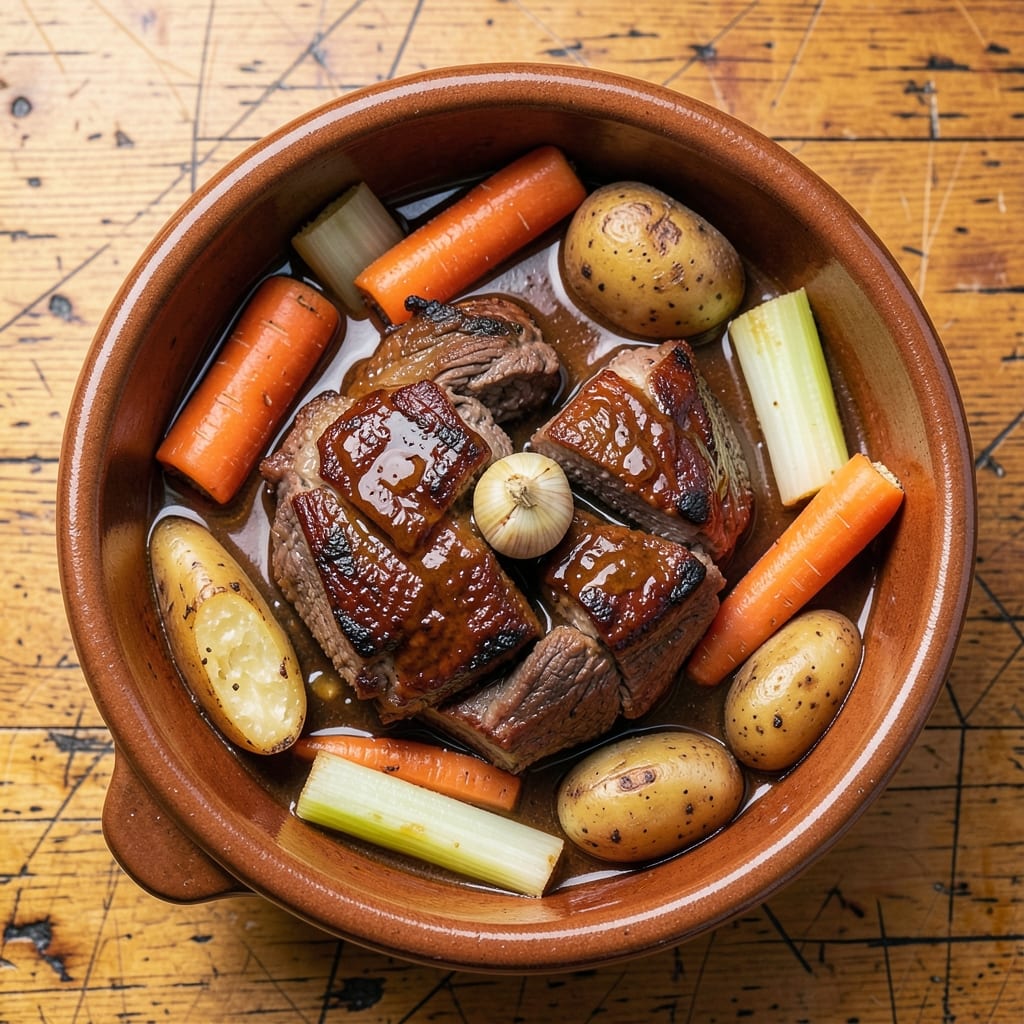
A 6-hour beef stew transforms tough cuts into melt-in-your-mouth tenderness while developing deep, caramelized flavors that turn any kitchen into a cozy haven. The secret lies in patience—slow simmering breaks down collagen-rich meat while vegetables soften into sweet, aromatic perfection. This isn’t just dinner; it’s a flavor journey where every spoonful delivers layers of umami, savory depth, and velvety richness that lingers long after the last bite.
What sets this stew apart is the technique: browning the beef in batches creates a flavorful crust, while deglazing the pot captures every nuance of caramelized fond. Root vegetables like carrots and potatoes caramelize at the edges, adding natural sweetness that balances the stew’s hearty depth. The long simmer transforms simple ingredients into a restaurant-worthy dish that feels like a hug in a bowl.
By the final hour, your kitchen will smell like a French bistro, and the stew will be thick enough to coat a spoon—no thickening agents needed. The beef will shred effortlessly, the vegetables tender yet intact, and the broth reduced to a rich, gravy-like consistency. This is the kind of meal that disappears faster than you can say "seconds, please."
Perfect for chilly evenings or weekend gatherings, this stew pairs beautifully with crusty bread to soak up every last drop. The leftovers? Even better the next day as flavors meld further. Let’s get cooking—your taste buds will thank you.
Ingredients for 6 hour beef stew
Pantry staples meet slow-cooked magic for this rich, umami-packed beef stew.
| Ingredient | Amount | Notes |
|---|---|---|
| Chuck Roast 🥩 | 2 ½ lb | Well-marbled for tenderness |
| Yellow Onions 🧅 | 2 whole | Sliced into wedges |
| Carrots 🥕 | 1 ½ lb | Whole, peeled, cut into chunks |
| Russet Potatoes 🥔 | 2 lb | Cut into 1.5-inch chunks |
| Celery Stalks 🧅 | 4 whole | Trimmed, cut into 1-inch pieces |
| Garlic Cloves 🧄 | 6 cloves | Peeled, lightly crushed |
| Tomato Paste 🍅 | ½ cup | Smooth, not chunky |
| Red Wine 🍷 | 1 cup | Bold, dry variety |
| Beef Broth 💧 | 4 cups | Homemade or high-quality |
| Olive Oil 🫒 | 2 tbsp | Extra-virgin for browning |
| Thyme Sprigs 🌿 | 4 whole | Fresh preferred, stems removed |
| Bay Leaves 🍃 | 2 whole | Dried, standard size |
| Salt 🧂 | 2 tsp | Kosher or sea salt |
| Black Peppercorns 🌶️ | 1 tsp | Freshly ground |
| Flour 🌾 | 2 tbsp | All-purpose, for browning |
The chuck roast is non-negotiable—look for well-marbled cuts at your butcher or grocery store's meat counter. Costco or Whole Foods often carry pre-cut chuck roast that saves time, but if buying whole, ask for a cut with good fat distribution. The root vegetables should be firm and free of soft spots—Trader Joe's organic carrots and potatoes are my go-to for consistent quality. For the tomato paste, San Marzano is ideal, but any smooth paste in a tube works in a pinch. Fresh thyme and bay leaves elevate the stew, but dried will work if you're in a hurry—just double the amount.
No red wine? Dry white wine or extra beef broth works, though the color will differ slightly. The tomato paste can be swapped for 1 cup crushed tomatoes if you prefer, though it'll dilute the richness. For the flour, all-purpose works fine, but if you've got cornstarch, it creates a glossier finish. The beef broth is where you can splurge—homemade or high-quality store-bought makes a world of difference. If you're prepping ahead, the onions, carrots, and celery can be chopped and stored in the fridge for 3 days before cooking, saving you chopping time later.
This stew tastes even better the next day, so plan ahead—it reheats beautifully. Store in an airtight container in the fridge for 5-6 days, or freeze portions for up to 3 months. For serving, I like to skim any excess fat that rises to the top after chilling. The leftovers reheat perfectly—just warm gently on the stove with a splash of broth or water. If you're making this for a crowd, double the recipe—it's that good.
Why You'll Love This Recipe
- Deep, Rich Payoff: That six-hour simmer? It turns tough chuck roast into melt-in-your-mouth perfection, while the potatoes soak up all the savory broth like little flavor sponges. Honestly, the first bite makes you question why you ever bought takeout.
- Leftovers That Shine: This stew actually improves the next day—better than most restaurant versions, if I’m being real. I freeze half for those nights when I’m too tired to cook, and it reheats like a dream.
- Budget Meal for Busy Lives: A single chuck roast feeds my family for days, and the veggies (onions, carrots, celery) are cheap staples that stretch the meal. Plus, it’s the kind of dish that makes you feel like you’re serving a five-star dinner—without the five-star price tag.
Step-by-step instructions for deep umami beef stew
This method transforms tough chuck roast into melt-in-your-mouth tenderness with rich, caramelized vegetables.
Sear the Chuck Roast for Deep Flavor
Pat the 2.5 lb chuck roast completely dry with paper towels—this ensures maximum browning. Heat a heavy Dutch oven over medium-high heat and add the 2 tbsp olive oil. Once shimmering, add the roast and sear on all sides until deeply browned, about 8-10 minutes total. This step develops the Maillard reaction, creating complex flavors that will infuse the stew.
While the roast browns, create a quick flour slurry by whisking the 2 tbsp flour with 1 cup red wine in a small bowl. Once the roast is browned, remove it from the pot and set aside. Pour the flour-wine mixture into the Dutch oven, scraping up all the browned bits from the bottom—this is flavor gold. Simmer for 2-3 minutes until slightly thickened.
Build the Vegetable Base
In the same pot, add the 2 whole yellow onions (sliced into wedges), 1.5 lb carrots (cut into chunks), 2 lb russet potatoes (1.5-inch chunks), and 4 whole celery stalks (1-inch pieces). Stir to coat in the wine reduction, then add 4 cups beef broth, 0.5 cup tomato paste, 6 cloves garlic (lightly crushed), 4 whole thyme sprigs, and 2 whole bay leaves. Bring to a gentle boil, then reduce heat to low to maintain a simmer.
Return the seared chuck roast to the pot, positioning it so it's partially submerged. Add 2 tsp salt and 1 tsp freshly ground black peppercorns, then cover partially with a lid. The goal is to trap steam while allowing some to escape—this prevents a watery stew. Let it simmer gently for 2 hours, stirring occasionally to prevent sticking.
Simmer to Perfection Over 6 Hours
After the initial 2-hour cook, check the internal temperature of the chuck roast with a meat thermometer. It should register 190-195°F—this is where collagen breaks down into gelatin, transforming the meat into fork-tender perfection. If it hasn't reached this temperature, continue simmering, adding a splash of water or broth if needed to keep the liquid level just above the vegetables.
Here's the thing—patience is key. The longer the stew simmers, the deeper the flavors develop. Around the 4-hour mark, the vegetables should be tender but still hold their shape, and the broth should have thickened into a rich, velvety sauce. Taste and adjust seasoning if needed, adding more salt or pepper as necessary. The stew should be harmoniously balanced, with the umami from the meat and wine complementing the sweetness of the carrots and potatoes.
Finish and Rest for Maximum Richness
Once the chuck roast reaches 195°F and the vegetables are tender, remove the stew from heat. Let it rest for 15-20 minutes before serving. This resting period allows the flavors to meld completely and the juices to redistribute throughout the meat. Skim any excess fat from the surface if desired, though a little fat adds richness to the stew.
Before serving, remove the thyme sprigs and bay leaves. Ladle the stew into bowls, ensuring each serving includes a generous portion of the tender chuck roast and caramelized vegetables. The result should be a deeply flavorful, comforting dish where every bite delivers layers of umami, sweetness, and hearty texture. Serve with crusty bread to soak up every last drop of that luxurious broth.
Pro Tips For Making 6 Hour Beef Stew
- Brown the Roast Deeply: Chuck roast won’t tenderize properly if it’s just seared lightly—get that crust dark brown, almost black in spots. I used to rush this, but now I let it sit 5 minutes per side in a hot pot (no oil needed). The Maillard reaction is what turns tough meat into melt-in-your-mouth goodness.
- Cut Potatoes Last: Add potatoes early, and they’ll turn to mush before the beef finishes. Instead, peel and chop them small (½-inch cubes) right before the final 45 minutes of cooking. They’ll soak up flavor without falling apart.
- Deglaze Aggressively: After browning the beef, don’t just splash in broth—scrape that fond off the bottom with a wooden spoon. That crust holds flavor, and skipping it means your stew tastes bland. Use a mix of red wine (if the recipe calls for it) and broth for extra depth.
- Salt the Potatoes: Russets absorb liquid like sponges, so sprinkle them with ½ teaspoon salt before adding to the stew. It seasons them directly and prevents them from tasting bland even if the broth is flavorful. (Yes, even if you’re salting the broth separately.)
Troubleshooting perfect results
Watery Stew Fix
If your stew looks too thin after 6 hours, it’s likely because the liquid hasn’t reduced enough. The fix? Simmer uncovered for the last 30-45 minutes to evaporate excess moisture. I’ve found that adding ½ cup tomato paste or 1 tbsp cornstarch mixed with water thickens beautifully without altering flavor. Just stir in during the final hour. 💧
Tough Meat Troubles
Overcooked, rubbery beef happens when the stew boils instead of simmers. Keep heat at low-medium—you should see tiny bubbles, not a rolling boil. If your meat is still tough at 195°F, it may need more time. Try adding 1 cup hot water and simmering another 30 minutes—the extra liquid helps tenderize. A meat thermometer is your best friend here! 🌡️
Vegetables Too Soft
Mushy carrots or potatoes mean they cooked too long. To prevent this, add root veggies 30 minutes before the end of cooking. For extra insurance, parboil them for 5 minutes in salted water before adding to the stew. Potatoes are trickier—cut them slightly smaller (1-inch chunks) to ensure even cooking without turning to mush. 🥔
Bland Flavor Profile
A lackluster stew often means insufficient browning or seasoning. For deeper flavor, sear the beef in batches until deeply browned. Deglaze with red wine (or broth) to capture fond. Taste as you go—add 1 tsp soy sauce or ½ tsp smoked paprika for umami depth. Fresh herbs like thyme and bay leaves should be added early to infuse properly. 🌿
Burnt Onions or Fond
Charred onions or a burnt fond at the bottom ruin the dish. Prevent this by stirring occasionally during the initial 20 minutes of cooking. If it happens, scrape up the fond with a wooden spoon (it’s full of flavor!) and discard the burnt bits. For future cooks, reduce heat slightly after adding veggies to avoid over-browning. 🧅
Fat Skimming Struggle
Excess fat can make stew greasy. Let it cool slightly before skimming—fat solidifies and rises to the top. Use a large spoon or fat separator for easier removal. For a leaner stew, chill overnight; the fat will harden on top, making it simple to scoop off. Just leave the flavorful broth behind! 🥄
Nutrition facts
Frequently asked questions
Why does this beef stew need to simmer for 6 hours?
The long cook time is what transforms tough chuck roast into melt-in-your-mouth tenderness. At 195°F, collagen in the meat breaks down into gelatin, creating that luxurious, fork-tender texture. Plus, the vegetables develop deep caramelized sweetness while the flavors meld into perfect harmony. Patience pays off with every bite!
Can I use a slow cooker instead of a Dutch oven? Brown the beef first in a skillet, then transfer everything to your slow cooker. Cook on low for 8 hours or high for 5-6 hours, adding a splash of broth if needed. The slow cooker maintains gentle heat, making it perfect for busy days. Just
What's the best way to reheat leftovers?
Reheat gently on the stove over medium-low heat for 10-15 minutes, stirring occasionally and adding a splash of broth if needed. Microwaving works too—just cover with a damp paper towel and heat in 1-minute intervals to prevent drying. Leftovers actually taste better the next day as flavors deepen!
How do I adjust this recipe for fewer servings?
Halve the recipe by using 1.25 lb chuck roast, 1 cup beef broth, and half of all other ingredients. The cooking time remains the same—just scale down the pot size. A 3-quart Dutch oven works perfectly for 2 servings. The flavors will be just as rich!
Can I make this stew ahead of time?
This stew is perfect for meal prep! Assemble it the night before and refrigerate uncovered. The next day, simmer uncovered for 30-45 minutes to reduce any excess liquid. It reheats beautifully and tastes even better after flavors meld overnight. Store leftovers in an airtight container for 5-6 days.