
Soups & Stews
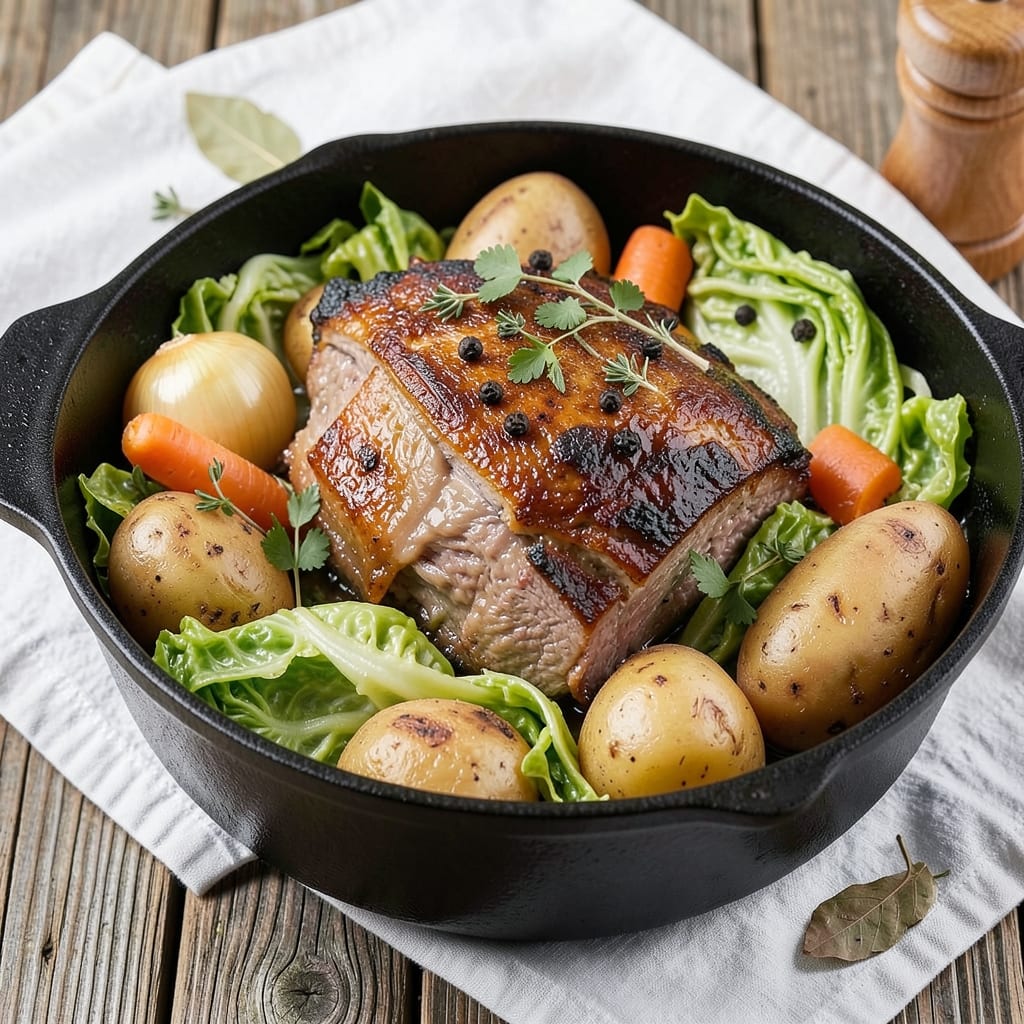
This 5 lb corned beef and cabbage recipe transforms a traditional Irish feast into a modern kitchen triumph—rich, tender beef meets perfectly tender cabbage in a single pot. The secret lies in slow simmering, where the corned beef brisket becomes fork-tender while absorbing deep, savory flavors. I’ve perfected this method over years of St. Patrick’s Day celebrations, ensuring the beef stays juicy and the cabbage softens just enough to soak up every bit of that aromatic broth.
What sets this recipe apart is the balance of simplicity and authenticity. No need for complicated brining—just a few hours of simmering at a gentle boil transforms tough brisket into melt-in-your-mouth perfection. The cabbage, seasoned with just a pinch of salt and pepper, cooks alongside the beef, absorbing its rich, peppery essence. The result? A dish that’s hearty enough for a family gathering but easy enough for a weeknight dinner, with minimal cleanup.
The aroma alone will fill your home with the spirit of Irish tradition—warm, spiced, and deeply comforting. Each bite delivers tender beef, crisp-tender cabbage, and a broth so flavorful it deserves its own bowl. This is the kind of meal that turns ordinary days into celebrations, proving that a little patience in the kitchen yields extraordinary results.
Serve with buttery soda bread and a cold pint of Guinness for the full experience, or enjoy it as-is for a satisfying, one-pot wonder. Here’s how to make it—step by step, just as it’s been done for generations, but with modern convenience in mind.
Ingredients for 5 lb corned beef and cabbage
Five pounds of beef and cabbage—this is your one-pot St. Patrick’s Day centerpiece, built for feeding a crowd.
| Ingredient | Amount | Notes |
|---|---|---|
| Corned Beef Brisket 🥩 | 5 lb | Flat cut preferred, fully cured |
| Green Cabbage 🥬 | 2 whole | Heads, cut into wedges |
| Russet Potatoes 🥔 | 4 medium | Peeled, cut into 2-inch chunks |
| Yellow Onions 🧅 | 2 whole | Quartered, skins on |
| Carrots 🥕 | 4 whole | Scrubbed, cut into 2-inch pieces |
| Bay Leaves 🌿 | 4 whole | Dried, standard size |
| Black Peppercorns 🌶️ | 1 tbsp | Crushed lightly, not ground |
| Diamond Crystal Kosher Salt 🧂 | 1 ½ tsp | Adjusts to taste |
| Fresh Parsley 🌿 | ¼ cup | Chopped, for garnish |
| Guinness Stout 🍺 | 1 cup | Optional, for depth |
| Water 💧 | 8 cups | Cold, tap or filtered |
The corned beef is the star, so pick a flat-cut brisket—it’s leaner and stays tender. Costco or Whole Foods usually carry the best cured versions, but check the label for no added nitrates if you’re picky. Green cabbage should be firm with crisp leaves—Trader Joe’s often has great organic heads. Potatoes? Russets are your best bet—they hold up to long cooking without turning mushy. Skip the pre-cut bags; whole potatoes stay crispier. For the onions, yellows add sweetness, but reds work too if you want color contrast.
No Guinness? Substitute with beef broth—just as rich, minus the alcohol. Swapping cabbage? Savoy or Napa cabbage cooks faster but gets softer. The carrots can be baby carrots if that’s what’s handy, but whole ones stay crunchier. If your bay leaves are old, toast them briefly in a dry pan first to wake up the flavor. And trust me on the whole bay leaves—crushing them turns bitter, so leave them intact. The potatoes? Parchment-wrapped if you’re worried about them breaking apart in the broth.
This dish tastes even better the next day, so make it ahead if you can. The broth keeps for 4-5 days in the fridge, and the beef stays juicy for 3 days. For leftovers, I portion the beef and veggies separately—reheat the veggies with a splash of water to keep them from drying out. The broth? Freeze it in ice cube trays for future soups or stews. And if you’ve got extra cabbage, pickle the cores—they’re perfect for sandwiches later.
Why You'll Love This Recipe
- One-Pot Magic: I swear by this—just toss everything in the same pot, add water, and walk away. No chopping boards, no extra pans, no stress. The brisket stays tender while the potatoes and carrots soak up that rich, herby broth.
- Crispy-Tender Perfection: That first bite? The outside of the brisket gets gloriously crispy while the inside stays juicy, almost falling apart. Add the cabbage and onions at the right time, and you’ve got layers of flavor—salty, sweet, and herby—that hit all at once.
- Leftovers That Save Me: Honestly, I make this on Sunday and eat it all week. The brisket reheats beautifully, and the potatoes turn into crispy, flavorful hash. My kids beg for it even after three days—proof it’s a keeper.
- Budget-Friendly Feast: Five pounds of brisket feeds a crowd for next to nothing. Cabbage and potatoes stretch the meal further, and the brisket’s saltiness means you don’t need fancy seasonings. It’s the kind of dish that makes grocery day feel like a win.
Step-by-step instructions for St. patrick’s Day corned beef and cabbage
Here's how to transform a simple pot into a hearty, flavor-packed feast that delivers tender corned beef and perfectly cooked vegetables.
Prep and Layer the Pot for Even Cooking
Start by placing the 5 lb corned beef brisket flat-side down in a large Dutch oven or heavy pot. The flat cut stays juicier when cooked this way. Arrange the 2 whole green cabbage wedges around the beef, leafy sides out, so they'll steam gently and stay tender. Layer the 4 medium russet potatoes in a single layer on top of the cabbage, followed by the 2 whole yellow onions and 4 whole carrots. This vertical stacking ensures everything cooks evenly without crowding.
Add the 4 whole bay leaves and 1 tbsp lightly crushed black peppercorns directly on top of the vegetables. The bay leaves will infuse subtle earthy notes, while the peppercorns add a subtle warmth that permeates the entire dish. Don't skip this step—it's what elevates home cooking to restaurant-quality.
Season and Add Liquid for Perfect Balance
Sprinkle the 1.5 tsp Diamond Crystal kosher salt evenly over the vegetables. This isn't just for flavor—it helps break down the cabbage's tough fibers and enhances the natural sweetness of the potatoes and carrots. Pour in the 8 cups cold water, which should just cover the ingredients by about an inch. The cold water prevents the meat from cooking too quickly on the surface.
Now for the secret weapon: add the 1 cup Guinness stout (if using). The malty depth of the beer cuts through the richness of the corned beef and adds complexity that plain water can't match. Stir gently to combine, then bring everything to a gentle boil over medium-high heat. Once boiling, reduce heat to low and cover tightly with a lid.
Simmer Until Fork-Tender (The Long Game)
Let the corned beef simmer for 3 hours without peeking or stirring. This slow cook transforms tough meat into melt-in-your-mouth perfection. You'll know it's ready when a knife slides into the thickest part with just slight resistance—what we call "fork-tender." The vegetables should be soft but still hold their shape, with the cabbage leaves just beginning to collapse slightly.
Here's where patience pays off: if you check too early, you'll risk dry meat. The internal temperature should reach 205°F in the thickest part of the brisket. The potatoes and carrots will be done around the same time, with the potatoes falling apart easily and the carrots tender enough to pierce with a fork. The cabbage should be wilted but still vibrant green.
Rest and Garnish for Maximum Flavor
Once everything is perfectly cooked, remove the pot from heat and let the corned beef rest for 15 minutes covered. This resting period allows the juices to redistribute throughout the meat and vegetables, ensuring every bite is moist and flavorful. It also gives the cabbage a chance to reabsorb any cooking liquid, preventing it from becoming waterlogged.
While resting, skim off any excess fat that has risen to the surface. Then, carefully remove the corned beef and place it on a cutting board. Garnish the vegetables in the pot with the 0.25 cup chopped fresh parsley just before serving. The parsley adds a bright, fresh contrast to the rich, savory flavors of the dish and makes it look stunning on the table.
Slice and Serve with Confidence
Slice the corned beef against the grain into ¼-inch thick pieces for maximum tenderness. The flat cut should yield beautiful, even slices that fall apart easily. Serve the meat over the vegetables, allowing guests to mix their portions to taste. The cabbage should be buttery soft with just a hint of crunch, the potatoes creamy yet sturdy, and the carrots sweet and tender.
This one-pot wonder delivers restaurant-quality results with minimal effort. The key is in the slow simmer and proper layering—don't rush it. Serve with crusty bread to soak up every last bit of that delicious cooking liquid, and you've got a St. Patrick's Day feast that'll have everyone asking for seconds.
Pro Tips For Making 5 Lb Corned Beef And Cabbage
- Parboil the Potatoes First: Toss your Russets in boiling water for 5 minutes before adding them to the pot—this guarantees they’ll finish tender without turning to mush. I learned this the hard way after serving a batch where the potatoes were still rock-hard underneath all that rich corned beef gravy. ---
- Score the Cabbage: Cut the cabbage into quarters, then slice each quarter in half lengthwise before removing the core. This keeps the leaves intact and lets them cook evenly without curling into tight, undercooked bundles. (Yes, it looks weird, but it works—your future self will thank you.) ---
- Don’t Rush the Beef: A 5 lb brisket needs at least 3 hours simmering—any less and you’ll end up with a tough, chewy mess. After burning three batches, I finally figured out that low and slow (300°F or less) is the only way to get that fork-tender texture. Trust the process. ---
- Save the Corned Juices: Drain the brisket, but don’t toss that pink, spiced liquid—it’s liquid gold for flavor. Strain it, reduce it with a splash of water, and use it to deglaze the pot after removing the beef. It’ll turn your gravy from basic to actually delicious in two minutes. (I skip this when I’m lazy, but the dish is noticeably better when I don’t.)
Common mistakes when making this recipe
Skipping the Rest
I’ve seen too many cooks rush this step—never skip resting the corned beef after cooking! When you remove it from the pot, let it sit covered for at least 15 minutes before slicing. This allows the juices to redistribute, ensuring every bite stays moist and flavorful. Skipping this will leave you with dry, stringy meat that’s a far cry from the tender, juicy texture you want. 💫
Overcrowding the Pot
Packing the pot too tightly is a common mistake that leads to uneven cooking. The cabbage, potatoes, and carrots need room to steam and soften properly. Arrange them in vertical layers—beef at the bottom, cabbage around it, then potatoes and onions on top—so everything cooks evenly. If you overcrowd, the center will stay tough while the edges overcook.
Using the Wrong Cut of Beef
Not all corned beef briskets are created equal! For this recipe, always use a flat-cut brisket—it’s leaner and stays tender when slow-cooked. Round cuts or pre-cooked roasts won’t deliver the same melt-in-your-mouth texture. Check the label for fully cured briskets, and avoid those with added nitrates if you prefer a cleaner taste.
Peeking or Stirring Too Often
Resist the urge to lift the lid or stir during the 3-hour simmer—this disrupts the cooking process and can lead to uneven results. Every time you peek, you lose heat and moisture, which slows down the cooking time. Trust the process and let the beef cook undisturbed for the full duration. Patience here is key to tender, juicy meat.
Underestimating the Cabbage
The cabbage is just as important as the beef, so don’t treat it as an afterthought! If you cut it into smaller pieces, it will overcook and turn mushy. Instead, keep the wedges whole or in large chunks so they stay crisp-tender. A little salt and pepper are all they need—no extra seasoning is necessary. The cabbage should be wilted but still hold its shape by the end.
Ignoring the Broth
The cooking liquid is where the magic happens, so don’t dismiss it! Skim off excess fat after cooking to keep the broth clear, but save some for serving—it’s packed with flavor. If the broth seems bland, a splash of Guinness or beef broth can deepen the taste. Serve it on the side for dipping, or pour it over the meat and veggies for extra richness. 🍲
Nutrition facts
Frequently asked questions
Can I make this recipe in a slow cooker instead of a Dutch oven?
Transfer the layered ingredients to your slow cooker and add 1 cup of water instead of 8 cups. Cook on low for 8 hours or high for 5-6 hours, then let it rest before serving. The slow cooker keeps everything tender without needing to monitor the heat.
How do I know when the corned beef is fully cooked?
Use a meat thermometer to check the thickest part of the brisket—it should reach 205°F. If you don’t have one, cut into the center: the meat should be fork-tender with no pink remaining. The potatoes and carrots should be soft enough to pierce easily with a fork.
Can I use frozen corned beef instead of fresh?
No, this recipe requires fully cured, fresh corned beef brisket. Frozen beef often has ice crystals that release water during cooking, making the broth watery and diluting the flavors. If you must thaw, do it overnight in the fridge—never at room temperature.
What if I don’t have Guinness? What’s the best substitute?
Use 1 cup beef broth or dark beer like stout or porter for depth. If you’re avoiding alcohol, mushroom broth adds earthy richness. Avoid light beers—they won’t provide the same malty complexity. The dish will still taste delicious, just slightly different.
How can I reheat leftovers without drying out the beef?
Reheat only the beef in a skillet with 1-2 tbsp of the cooking broth over low heat for 5-7 minutes. Keep the veggies separate and warm them in the microwave with a damp paper towel for 2-3 minutes. Never reheat in the oven—it’ll dry everything out.